This report contains proceedings of the Departmental Committee on Agriculture and Livestock on the inquiry into the government's maize flour subsidy programme implemented in the 2022-23 financial year.
The objective of the inquiry was to establish whether the maize flour subsidy achieved its objective of providing cheap sifted maize flour to Kenyans and whether there was value for money.
In this respect, evidence that some Kenyans benefitted from the programme has been considered by the committee with utmost interest since it actualises the value for money aspect.
In recent years, Kenya has been experiencing maize deficit for various reasons, including below-average rainfall performance in amounts and distribution, high cost of agricultural inputs, decreasing acreage of land for farming due to population growth, uneconomical land subdivision and poor agronomic practices in promoting productivity of the staples among others.
Due to the maize shortage, prices increased from Sh3,000 to Sh3,500 per 90kg bag in April 2022 to Sh4,600 to Sh5,000 in May 2022 and further to Sh6,500 in July 2022.
To cushion consumers from the high prices, the government waived duties and levies on maize imports from countries outside the East Africa and Comesa regions to bridge the gap.
Despite this, maize prices continued to rise due to shortage, disruption in the global supply chain and high fuel prices.
The government therefore decided to further cushion consumers through the maize flour subsidy programme.
In carrying out the inquiry, the committee initially held meetings with the Cereals Millers Association, the Grain Mill Owners’ Association and the Ministry of Agriculture and Livestock Development.
The committee also reviewed the written submissions on the programme from the National Treasury and Office of the Attorney General.
From the meetings, the committee established that the sifted maize flour under the programme was not stamped (SUBSIDISED or KSH 100) and this may have reduced the success levels of the programme.
Two different contracts were produced at the point of commissioning the programme, although one of the two was signed by all the millers.
The amounts requested to be paid to CMA significantly changed at some point with the explanation that two millers had been omitted from the initial list.
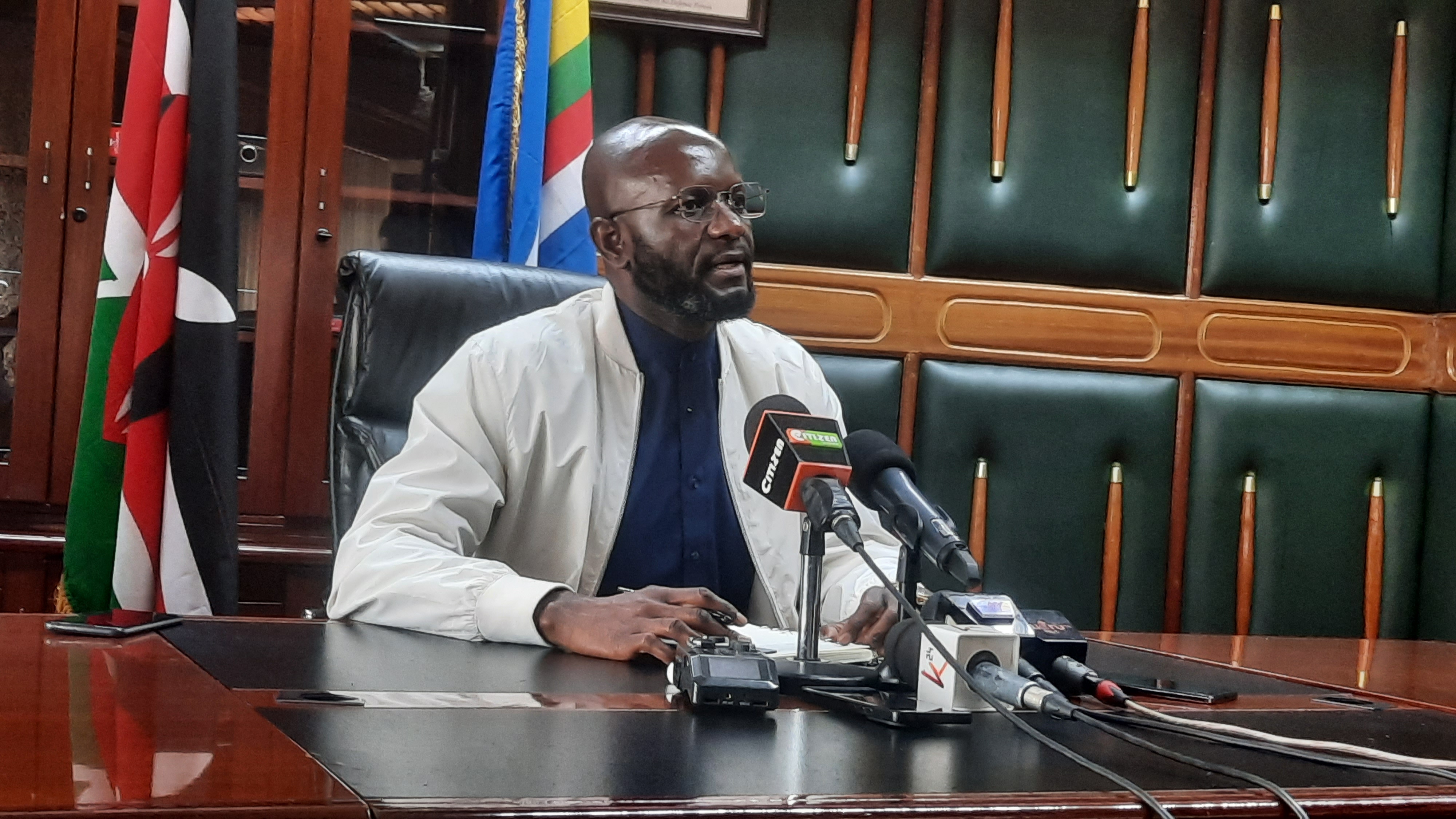
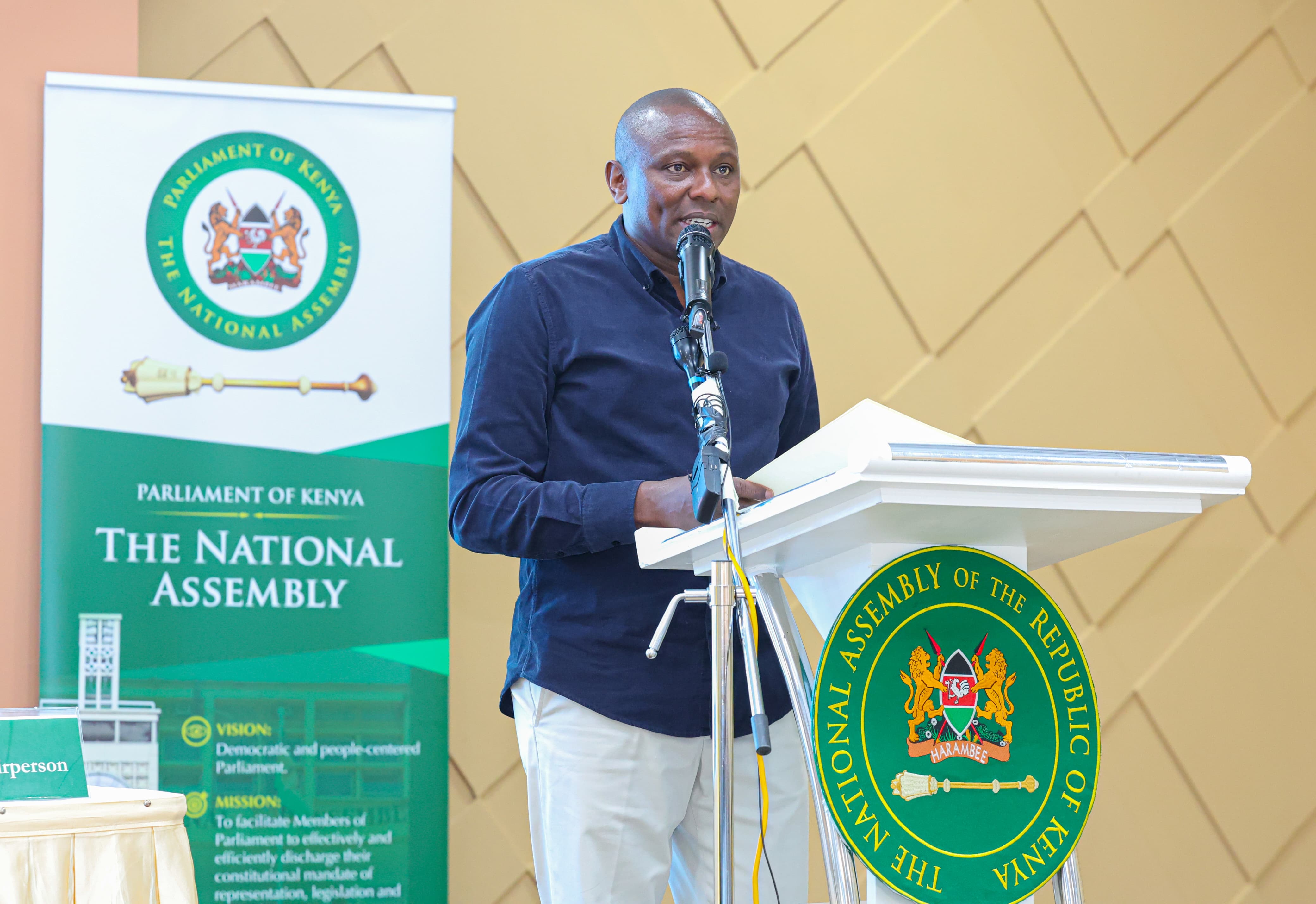
John Mutunga’s abridged submission to the House on Wednesday