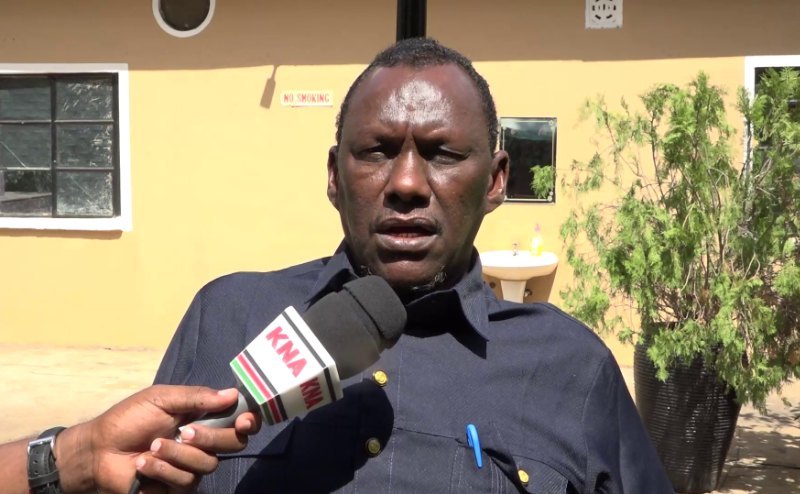
 Garissa PWDs Chairperson Adan Bille speaking to the
press. / STEPHEN ASTARIKO
Garissa PWDs Chairperson Adan Bille speaking to the
press. / STEPHEN ASTARIKO
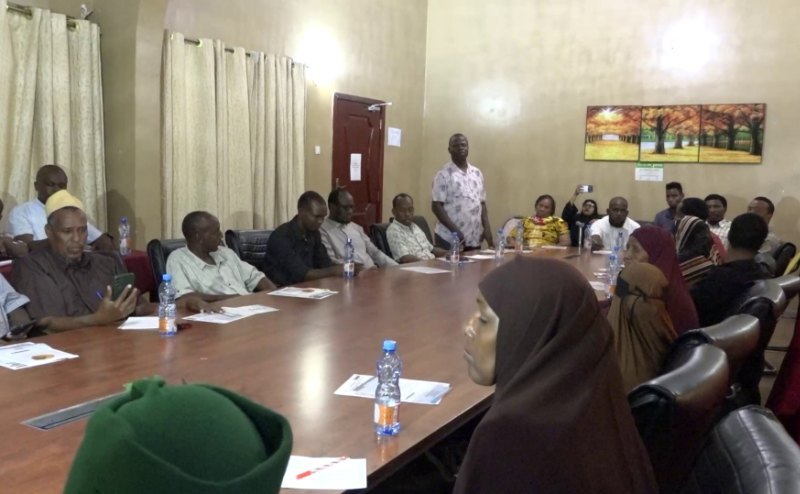 Members of the PWD community from Garissa during a
one-day sensitisation and capacity-building forum. / STEPHEN ASTARIKO
Members of the PWD community from Garissa during a
one-day sensitisation and capacity-building forum. / STEPHEN ASTARIKO
ORPP North Eastern Regional Coordinator Ifrah Issa speaking to the press. / STEPHEN ASTARIKO
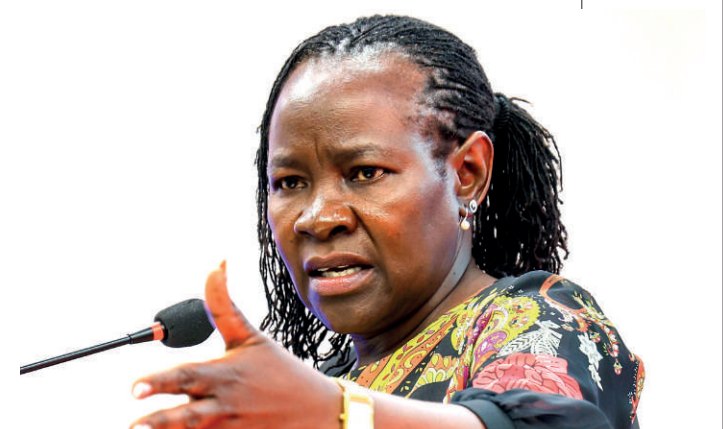
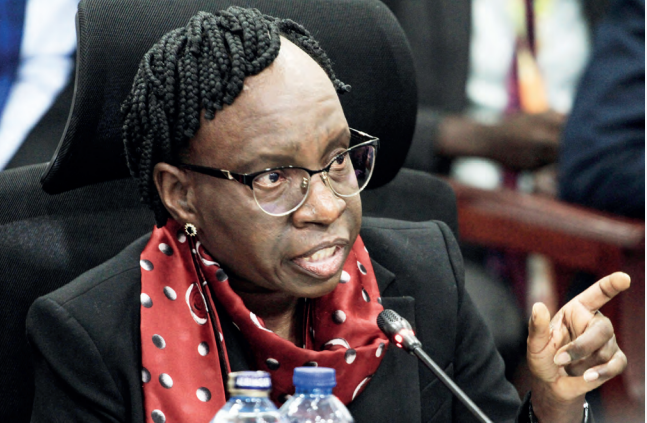
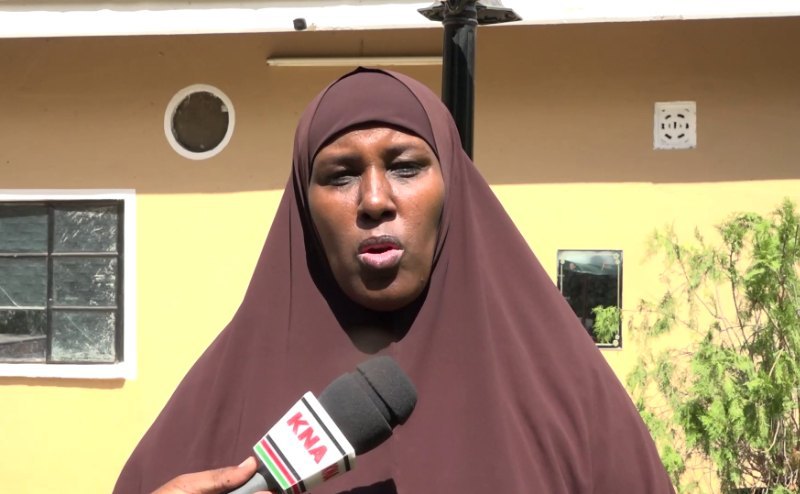 Garissa Sub-County Administrator and member of the disability community, Shahia Hambe speaking to the press. / STEPHEN ASTARIKO
Persons with disabilities (PWDs) in Garissa county have urged political parties to give them equal opportunities during party nominations and stop discriminating against them based on their physical appearance.
Speaking during a one-day sensitisation and capacity-building forum organised by the Office of the Registrar of Political Parties in Garissa, PWD leaders raised concerns over what they described as longstanding exclusion and unfair treatment in political parties, particularly during nomination processes.
The forum brought together persons with disabilities and officials from the Independent Electoral and Boundaries Commission to discuss ways of enhancing the participation of PWDs in political and electoral processes.
Led by Garissa PWDs chairperson Adan Bille, participants said political parties have for years overlooked qualified and loyal members with disabilities in favour of able-bodied individuals, especially during nominations.
“We want political parties to nominate people who are qualified and who have remained loyal to the party for many years, not individuals who join today and immediately receive nomination slots,” Bille said.
“We have seen a trend where some of our members have belonged to certain political parties for decades and are even life members. Unfortunately, when it comes to issuing nomination certificates, they are bypassed in favour of individuals who have barely been members of the party for long simply because they can pay more.”
He noted that politics in Garissa largely revolves around political parties, making nominations a crucial determinant of electoral success.
“It is an open secret that in many instances, once someone secures a nomination certificate from a major political party, they are almost assured of winning the seat. That is why fairness in the nomination process is very important,” he said.
Bille urged political parties to embrace inclusivity and ensure that persons with disabilities are given a fair chance to compete for leadership positions.
He also said financial constraints remain one of the biggest barriers preventing many PWDs from seeking elective office.
“Some of us would like to vie for various seats, but most persons with disabilities lack the financial muscle needed to run effective campaigns. Politics today is heavily influenced by money, and without adequate resources, campaigning becomes extremely difficult,” he said.
Garissa subcounty administrator and member of the disability community Shahia Hambe welcomed the forum, describing it as a significant step towards greater inclusion.
She expressed hope that continued engagement between relevant institutions and persons with disabilities will help dismantle barriers that have historically limited their participation in leadership and governance.
“For a very long time, people with disabilities have felt left out of the electoral process. This capacity building forum is very important, and we appreciate the Office of the Registrar of Political Parties for inviting us,” she said.
“We have always complained about being excluded from preparations for the electoral process. This time we are fully on board and were invited to participate actively. Previously, nobody used to call us for such important meetings, but now we are happy because we are recognised.”
Speaking after the session, ORPP North Eastern regional coordinator Ifrah Issa said the engagement formed part of the registrar’s broader commitment to promoting inclusive participation in political and electoral processes.
“These engagements are in line with ORPP’s commitment to strengthening democracy and ensuring inclusive participation in political and electoral processes,” she said.
"We had productive discussions on how PWDs can engage in politics, including issues relating to the two-thirds gender rule and affirmative action provisions for persons with disabilities in political party funding."
IEBC Garissa senior elections officer Abdi Mohamed urged persons with disabilities not to shy away from seeking elective positions, emphasising that they have the same rights and opportunities as other Kenyans.
“We have sensitised them on electoral matters and assured them that they are just like any other citizen. They can contest for any of the six elective positions in the country and should not be left behind,” he said.
INSTANT ANALYSIS
The demands by persons with disabilities in Garissa highlight the persistent barriers that lock many Kenyans out of political leadership despite constitutional guarantees of inclusion. Their concerns point to a wider challenge within political parties, where loyalty, qualifications and affirmative action commitments are often overshadowed by financial influence and political interests during nominations. The forum also underscores growing efforts by institutions such as the ORPP and IEBC to encourage greater participation by marginalised groups. As the country moves towards the next electoral cycle, pressure is likely to mount on political parties to demonstrate genuine commitment to inclusive and equitable representation.