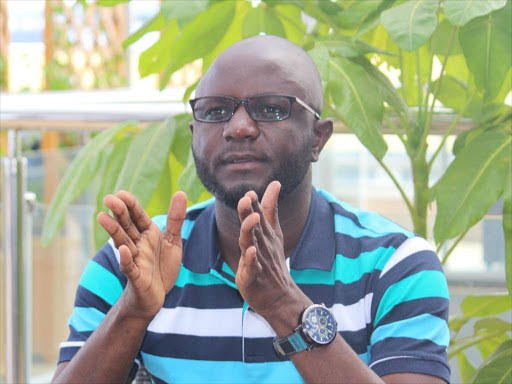
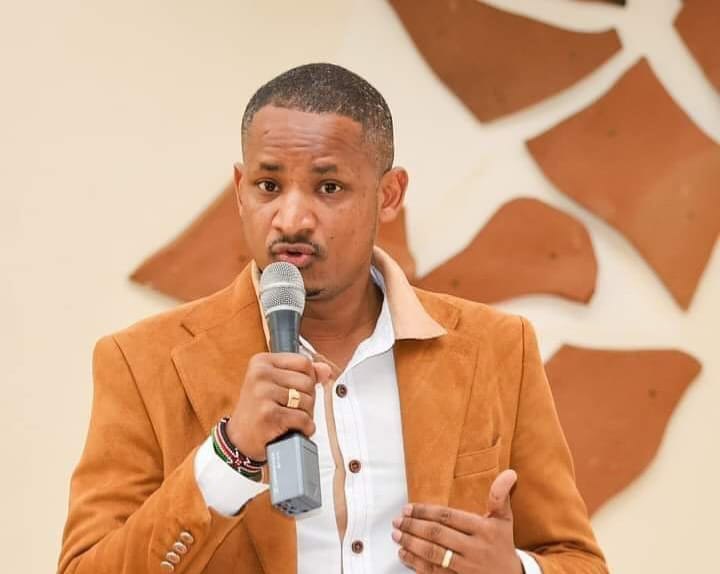
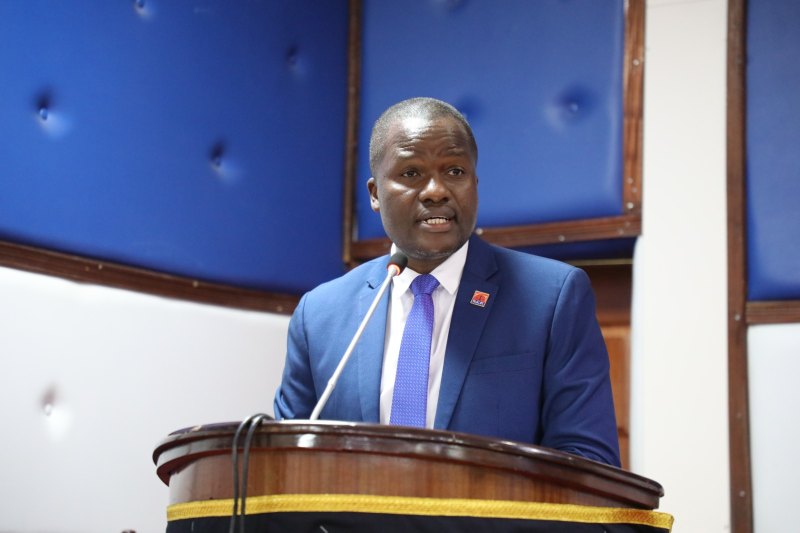
 Refugee Consortium of Kenya (RCK) Executive Director Barlet Colly Jaji
As the world marks World Refugee Day on June 20 under the theme "Until Everyone is Safe," refugee rights advocates are urging Kenya to bridge the gap between progressive refugee policies and the daily realities facing more than 841,000 refugees and asylum seekers.
According to the Refugee Consortium of Kenya (RCK), protection gaps continue to undermine the everyday lives of refugees, particularly those living in urban areas.
Barlet Colly Jaji, Executive Director of RCK, says the country has made significant strides through the Refugees Act 2021, the 2024 Refugee Regulations and the rollout of the Shirika Plan, which seeks to transform refugee camps into integrated settlements.
"Kenya stands at a historic crossroads in development and humanitarian governance," Jaji says. "The Shirika Plan presents a unique opportunity to move from encampment toward socio-economic inclusion and self-reliance."
However, he argues that the promise of these reforms has yet to translate into meaningful change for many refugees.
"Despite Kenya's progressive refugee policies, the daily lived realities of refugees and asylum seekers remain blocked by protection gaps," he says.
Jaji points to what he describes as a two-tier reality in refugee management. While Dadaab, Kakuma and Kalobeyei are undergoing transformation into municipalities that could boost local development and integration, urban refugees continue to face barriers in accessing employment and business opportunities.
"In Nairobi's Kasarani, Kawangware and Eastleigh, refugee entrepreneurs are not relying on humanitarian handouts. They are seeking self-sustainability through legal predictability," he says.
According to Jaji, challenges in obtaining Class M work permits and frequent documentation checks continue to frustrate refugees trying to participate in Kenya's economy.
"True solidarity cannot be geographically selective. A policy that protects a refugee in Turkana must protect a refugee in Nairobi," he says.
He also identifies financial exclusion as one of the biggest obstacles to refugee self-reliance. Many refugees struggle to open bank accounts or access business credit despite operating legitimate enterprises.
"Recognising government-issued refugee identity cards is not a risk. It is key to bringing these economic activities into the formal financial sector, strengthening oversight and increasing local revenues," Jaji says.
As Kenya advances the Shirika Plan, Jaji is calling for simplified and predictable processes for obtaining work permits, stronger county-level implementation of refugee integration policies and increased investment in shared infrastructure.
"True solidarity is an investment in shared prosperity," he says. "Kenya's long-standing tradition of hospitality can help create opportunities that benefit both refugees and host communities."
As the country marks World Refugee Day, Jaji says the focus should move beyond legal reforms to ensuring refugees can access jobs, financial services and dignified livelihoods.
"Safety is not only about protection from conflict," he says. "It is also about inclusion, opportunity and the ability to build a future."
According to UNHCR’s latest projected Global Resettlement Needs report released this week, an estimated 2.4 million refugees worldwide will require resettlement in 2027 because they remain at risk in the countries where they currently live and cannot safely return home.
Although this represents a six per cent decline from projections for 2026, UNHCR stressed that the reduction reflects mixed realities on the ground rather than broad improvements in conditions.
UNHCR warned that resettlement opportunities are shrinking at a time when humanitarian needs remain severe and millions of refugees continue to face uncertainty.
Around 37,000 refugees departed through UNHCR-supported resettlement programmes in 2025, a sharp decline from more than 116,000 departures the previous year and only a fraction of those in need.
The drop leaves the international community off track to meet its target of 130,000 resettlement places by 2027.