
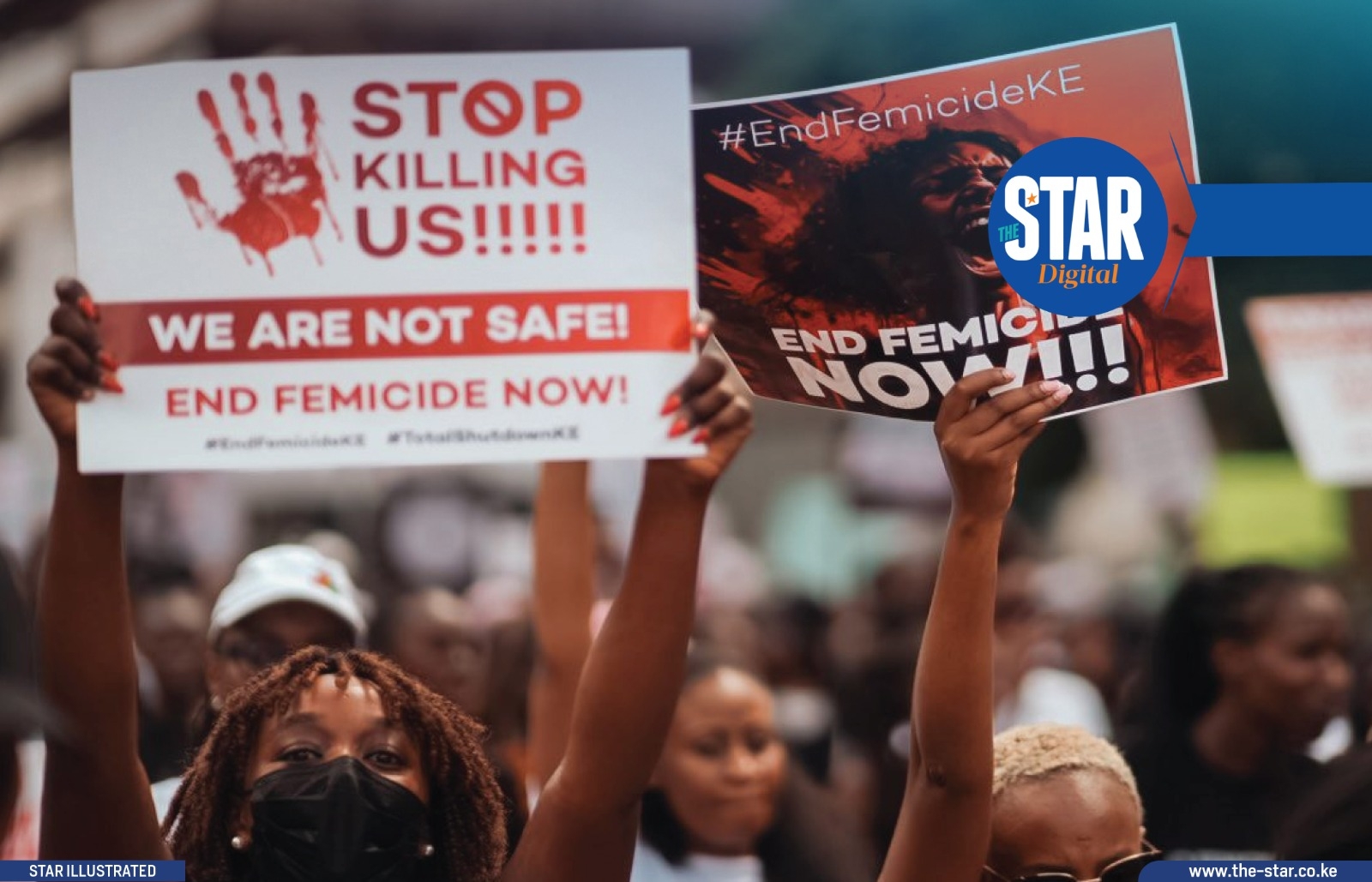
Status of SGBV in Kenya
Key drivers of SGBV include poverty, drug and alcohol abuse and illicit brew dens.
3d agoWILLIAM WANYOIKEInfographics
They attributed the rise to entrenched cultural attitudes that continue to expose women and girls to abuse.
In Summary

Audio By Vocalize

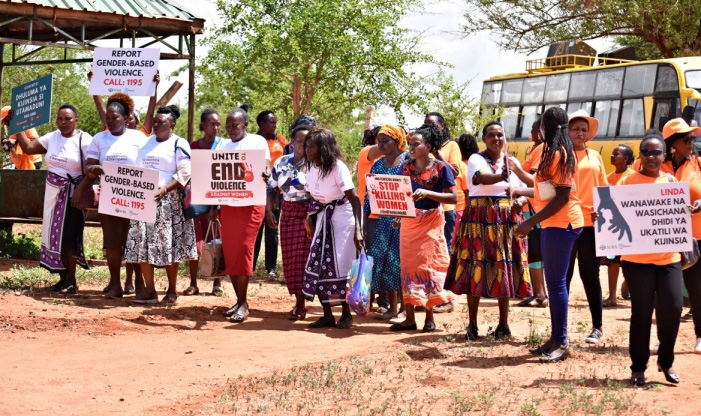
Human rights defenders in Garissa county have expressed concern over a surge in sexual and gender-based violence across Northeastern region, particularly targeting women and girls.
The rights groups cited increasing cases of defilement, rape, sodomy, femicide, female genital mutilation, early marriages, and denial of education.
They attributed the rise to entrenched cultural attitudes that continue to expose women and girls to abuse.
Speaking during International Human Rights Day celebrations in Garissa on Wednesday, activists called on government agencies, development partners, community leaders, and security organs to intensify efforts to protect vulnerable groups.
Muktar Dahir, the head of Garissa County Human Rights Defenders Network, warned that reported data likely underestimates the true scale of SGBV.
“It is unfortunate that in this day and age we continue to experience human rights violations of our young girls and women. Concerted effort from all stakeholders is needed to stop these vices,” he said.
Dahir also pledged continued monitoring of public resource usage, warning of legal action against corrupt public officers.
Walid Kassim from Muslims for Human Rights condemned police profiling, enforced disappearances, torture, and forced arrests, urging security agencies to respect human rights and follow due process.
Fatuma Badhi, another human rights defender, echoed concerns about rising SGBV and alleged violations by police officers, encouraging residents to report abuses and make use of KNCHR offices in Garissa to ensure timely justice.
Two weeks ago, Garissa presiding Judge John Onyiego also warned that the traditional maslah dispute-resolution system has undermined justice for survivors, allowing perpetrators to escape accountability.
“Sexually related offences remain quite rampant. However, the use of maslah has been the biggest challenge, resulting in withdrawals of cases. Reconciliation on that ground is not permitted,” he said.
INSTANT ANALYSIS
The rising cases of SGBV in Garissa and the broader Northeastern region highlight systemic gaps in protection, enforcement, and cultural attitudes toward women and girls. Despite existing laws prescribing strict penalties, underreporting and reliance on traditional dispute mechanisms like maslah continue to shield perpetrators and deny survivors justice. Human rights defenders emphasise the urgent need for coordinated action among government agencies, security organs, and community leaders, alongside accessible reporting channels like KNCHR. Strengthening accountability, challenging harmful cultural norms, and ensuring law enforcement adherence to due process are critical. Without sustained intervention, the cycle of abuse, impunity, and trauma is likely to persist.
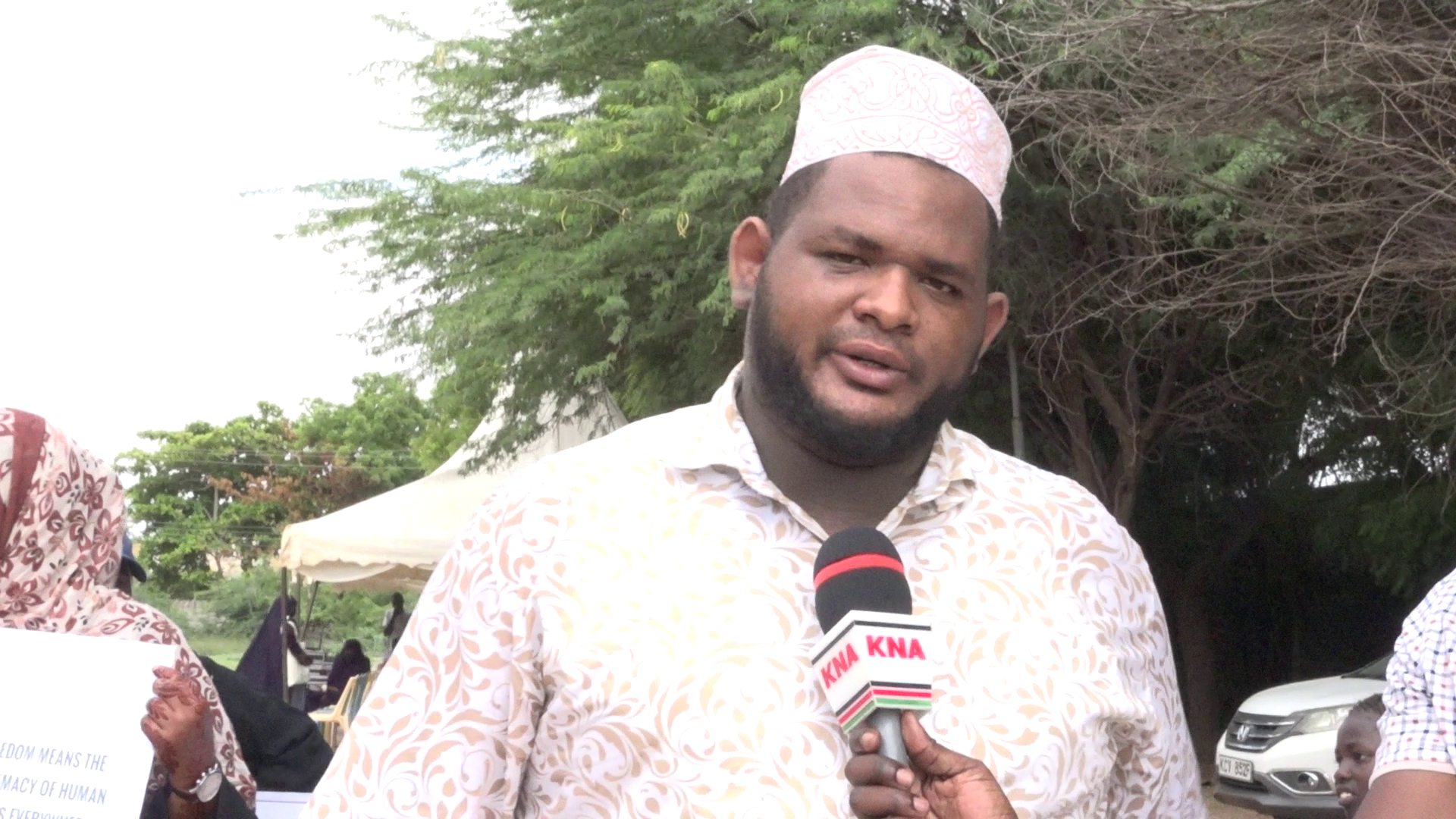
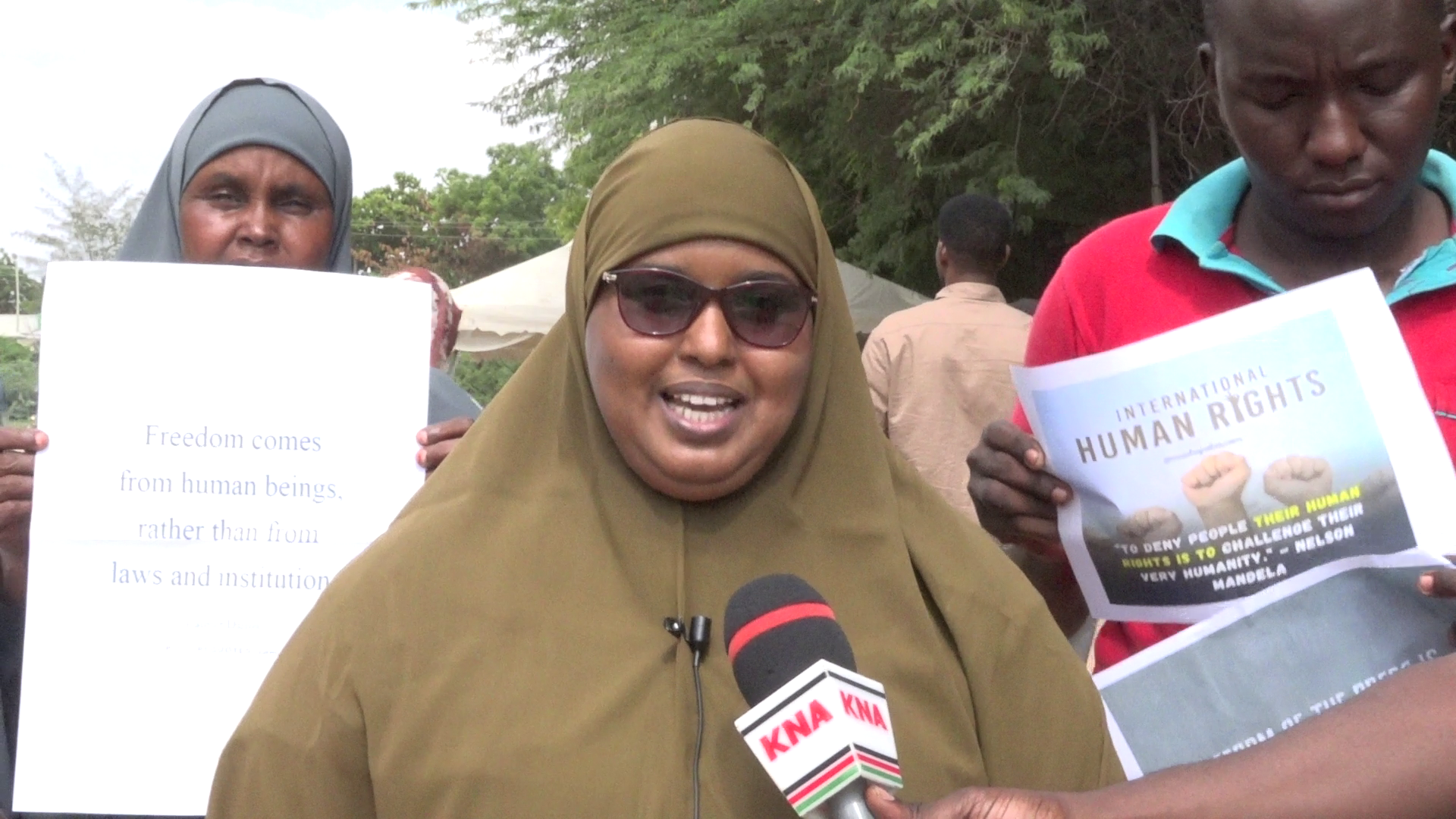 Fatuma Badhi, a Garissa-based human rights defender /STEPHEN ASTARIKO.
Key drivers of SGBV include poverty, drug and alcohol abuse and illicit brew dens.