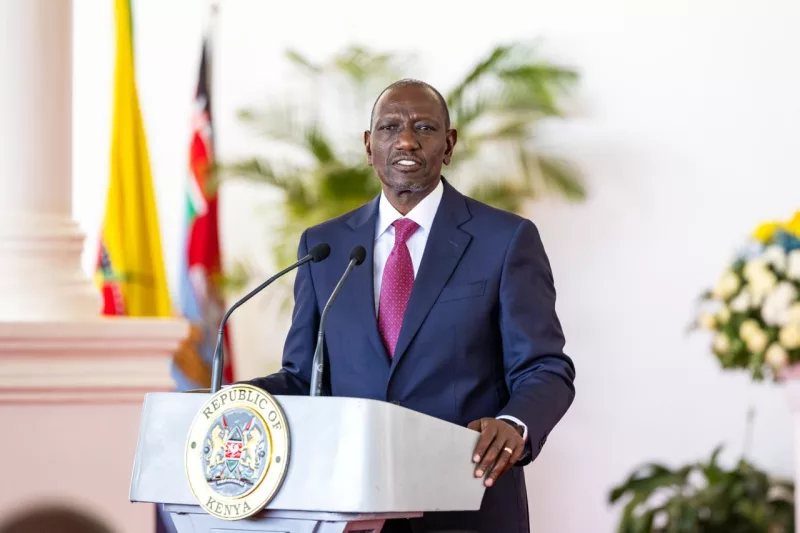
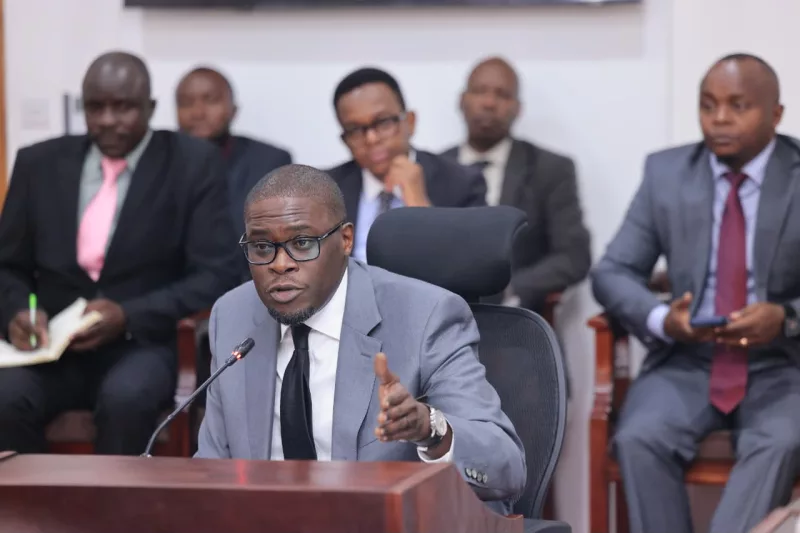
 Nairobi Governor Johnson Sakaja before the Senate Standing Committee on National Security, Defence and Foreign Relations on July 23,2026./HANDOUT
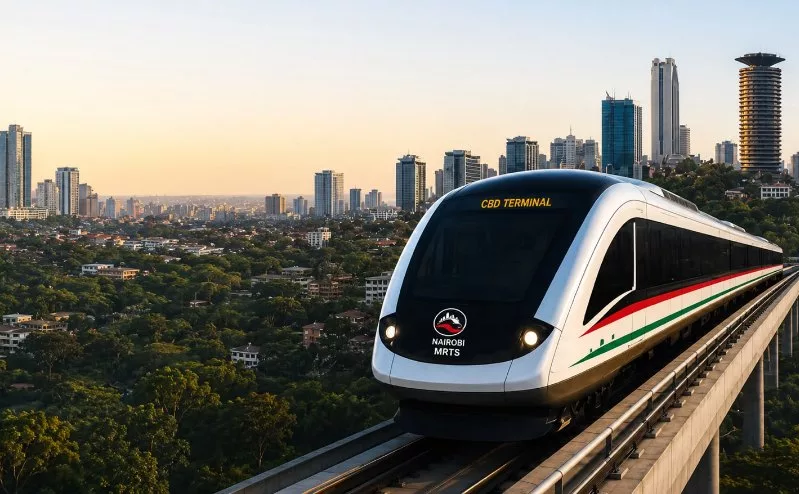
The Nairobi Metropolitan Mass Rapid Transit System (NMRTS) has gained fresh momentum after the Nairobi City County Executive Committee approved the landmark project.
The National Government also moving to fast-track its implementation.
Speaking before the Senate Standing Committee on National Security, Defence and Foreign Relations, Nairobi Governor Sakaja Johnson revealed fresh details of the NMRTS, saying the project, which features Nairobi’s first-ever underground metro line, will transform the capital into a "20-minute city" and provide a lasting solution to chronic traffic congestion.
"The first-ever underground metro system in Nairobi was approved by my Cabinet. The NMRTS is the ultimate solution to congestion in the city," Sakaja told senators.
"When you travel around the world, you wonder where all the people are—they are underground, travelling. I have friends who are billionaires in other cities, yet they don’t use their private vehicles. They use public transport because, when such systems are well designed, they are reliable, punctual and convenient."
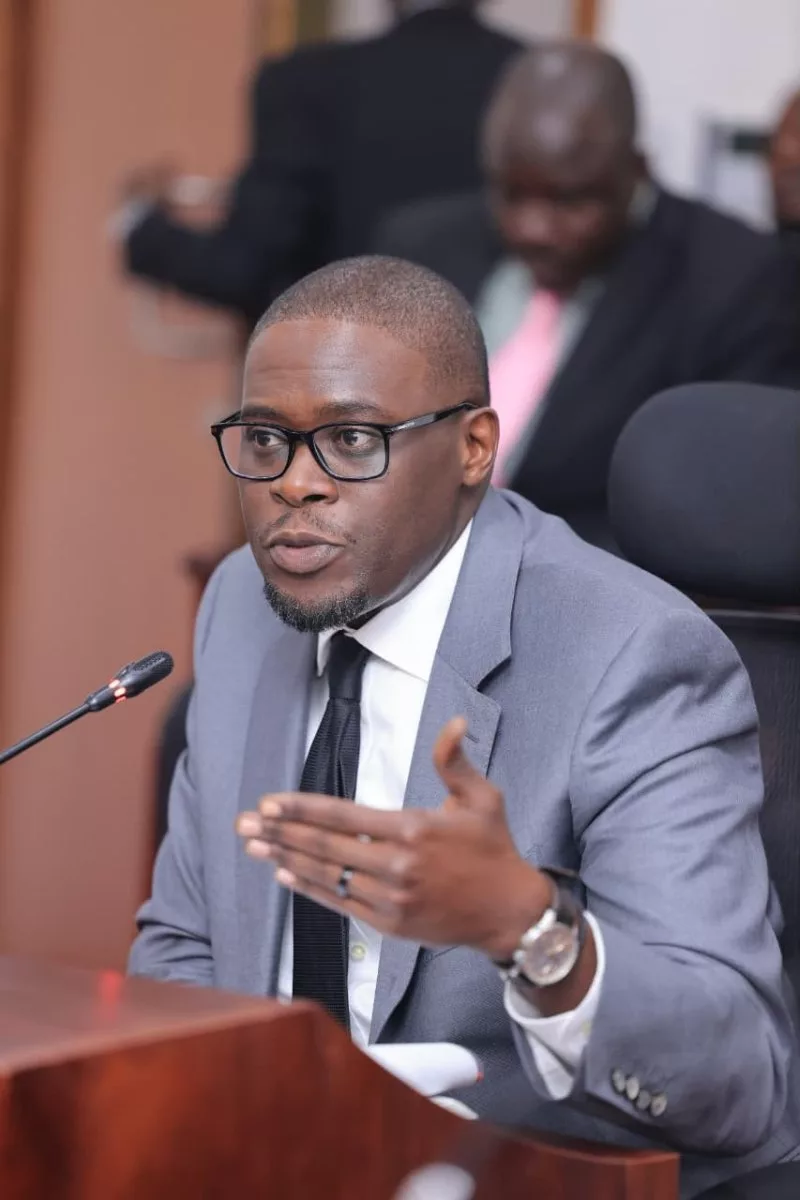 Nairobi Governor Johnson Sakaja before the Senate Standing Committee on National Security, Defence and Foreign Relations on July 23,2026./HANDOUT
The Governor said Nairobi is finally implementing a vision first conceived more than 80 years ago.
"This system is 80 years overdue. In 1948, city planners proposed a ring railway and CBD rail links. In 1972, the Nairobi City Study Group recommended an integrated mass transit system linking rail, Bus Rapid Transit (BRT) and Non-Motorised Transport (NMT). In 2014, the Nairobi Integrated Urban Development Master Plan made similar recommendations, but none of them were implemented," he said.
Sakaja noted that over the past three years, the county government has worked closely with the Executive Office of the President to develop a comprehensive implementation blueprint for Phase One of the project.
The Governor added that all key feasibility studies had been completed with support from the Japan International Cooperation Agency (JICA) and Chinese experts, paving the way for implementation.
"We are now setting up the Project Management Unit. The studies have been completed. We have already demonstrated that underground infrastructure is possible, as was done at the Haile Selassie–Uhuru Highway junction. Mass transit is now a reality," he said.
Sakaja welcomed the National Government’s support, saying the project had entered the next phase following the county cabinet’s approval.
He noted that Dr. Silvester Kasuku had already briefed the Principal Secretaries for Transport and Roads on the approved project ahead of its submission to the National Government Cabinet.
According to the Governor, the metro system will significantly improve mobility for both residents and visitors while enhancing Nairobi’s competitiveness as a regional business hub.
"We cannot continue welcoming international investors and visitors only for them to spend two hours stuck in traffic. We will turn Nairobi into a 20-minute city, where you can get anywhere within 20 minutes," he said.
Under Phase One, the metro line will connect the Central Business District to Eastlands, with underground sections extending to Westlands and Upper Hill.
Phase Two will expand the network along Ngong Road and Lang’ata Road, creating a comprehensive rapid transit system designed to transform mobility across the capital.
Beyond easing congestion, Sakaja said the project will unlock significant economic opportunities through increased land values around transit stations, Transit-Oriented Development and private sector investment.
"We already have the vision, the implementation plan and the locations of the stations. Land values around these stations will rise significantly. We have developed the legislative framework outlining what the County Assembly, the National Government and private investors each need to do to make this project a success," he said.
Once completed, the Nairobi Metropolitan Mass Rapid Transit System will integrate metro rail, commuter rail, Bus Rapid Transit and non-motorised transport into a single modern public transport network, marking one of the most significant infrastructure transformations in Nairobi’s history.
A day after the county cabinet approved the ambitious transport plan, Dr Silvester Kasuku, Advisor on Governance in the Executive Office of the President, held separate meetings with Transport Principal Secretary Mohammed Daghar and Roads Principal Secretary Eng Joseph Mbugua to brief them on the project ahead of its consideration by the National Government Cabinet.