 Mutura joint in Kangemi, Nairobi/VICTOR IMBOTO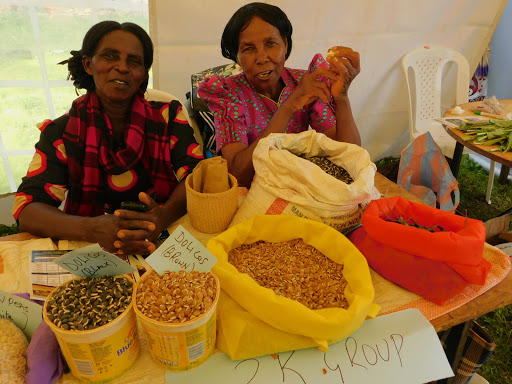
Indigenous food./FILE
Nairobi residents will soon enjoy their favourite traditional meals right on the city streets.
This is in a bid to promote food heritage and offer affordable, nutritious meals. The county government is already partnering with civil society organisations to map out dedicated street food vending zones.
Speaking during the launch of the Food Culture Alliance’s 2026–2030 Strategic Plan, Alice Kemunto, the executive director of the Consumer Grassroots Association revealed that plans are underway to zone the capital for formal street food vending.
“This initiative will provide affordable traditional and cultural prepared meals to city residents who might not have the means to eat at formal restaurants, allowing them to consume locally and culturally produced food,” Kemunto said.
“Food is a basic right, and we want to ensure everyone can access it without being forced into high-end establishments.”
To guarantee food safety, City Hall has collaborated with various partners to develop a food vending training manual. This manual is currently being used to train vendors in partnership with the public health department, ensuring all designated zones will strictly adhere to hygiene regulations.
Kemunto said many Kenyans have drifted away from consuming locally produced and traditionally prepared meals. The new initiative aims to change that trend by blending cultural food preservation with a modern touch.
“We want people to shift their mindset toward culturally produced foods,” Kemunto explained. “By blending traditional recipes with a bit of modernisation, we want to make sure the younger generation, including Gen Z, actively consumes these street foods.”
Samson Ngugi, head of programmes at Slow Food Kenya, noted that the initiative is critical for saving disappearing indigenous food varieties.
“We want to bring back our food culture and showcase how these meals were traditionally prepared, cooked, and consumed,” Ngugi said. “We are reimagining these indigenous foods in a modern way so that young people can appreciate their taste, appearance, and identity.”
Ngugi also advocated for introducing the production of indigenous foods in schools. “We envision a country where everyone eats food that is good for them, good for the farmers, and good for the planet. Raising a generation that links food to their cultural heritage and festivals prevents these valuable varieties from disappearing.”
The push for indigenous foods comes at a critical time when Kenya is battling significant nutritional challenges. Dennis Mayaka, the deputy country director and head of programmes at the Global Alliance for Improved Nutrition (GAIN), raised concerns over the country’s high stunting rate.
“An 18 per cent stunting rate means we have children who are not getting adequate meals to live a healthy lifestyle, which ultimately damages the country’s economic development,” Mayaka warned.
He noted that while Kenya boasts a vast array of readily available, highly nutritious indigenous foods, they remain heavily underutilised. GAIN is currently working with the Food Culture Alliance to boost the consumption and supply efficiency of these local diets, with a particular focus on engaging youth.
Beyond nutrition, Mayaka pointed out the urgent need to address the 30 to 40 per cent post-harvest losses across various value chains.
“We must eliminate food waste and create consistent demand in our homes,” Mayaka urged.
“Because of seasonality, we often face high production but low consumption in certain parts of the country. We need better supply efficiencies and value addition so that surplus food easily reaches the market when it's needed most.”
He urged Kenyans to embrace their culinary roots, saying traditional foods have a high potential to transform national health outcomes and completely change the ballgame regarding stunting. "Let us maximise our indigenous foods, they are rich, nutritious, and incredibly valuable,” Mayaka said.
Instant analysis
Nairobi
County is working with civil society organizations to establish designated
street food vending zones that will offer safe, affordable traditional Kenyan
meals while preserving the country's food heritage. The initiative includes
training vendors on food safety and hygiene and aims to encourage greater
consumption of indigenous foods, particularly among young people. Stakeholders
say the program will improve access to nutritious local diets, reduce reliance
on expensive restaurants, preserve cultural food traditions, address
malnutrition, and create new market opportunities for local farmers and food
vendors.