

Isiolo County is making decisive progress in transforming
its camel milk sector, unveiling a bold 10-year strategy that aims to position
the region as a continental leader in camel dairy production.
It focuses on improving production, processing, quality
assurance, infrastructure, market access, and value addition.
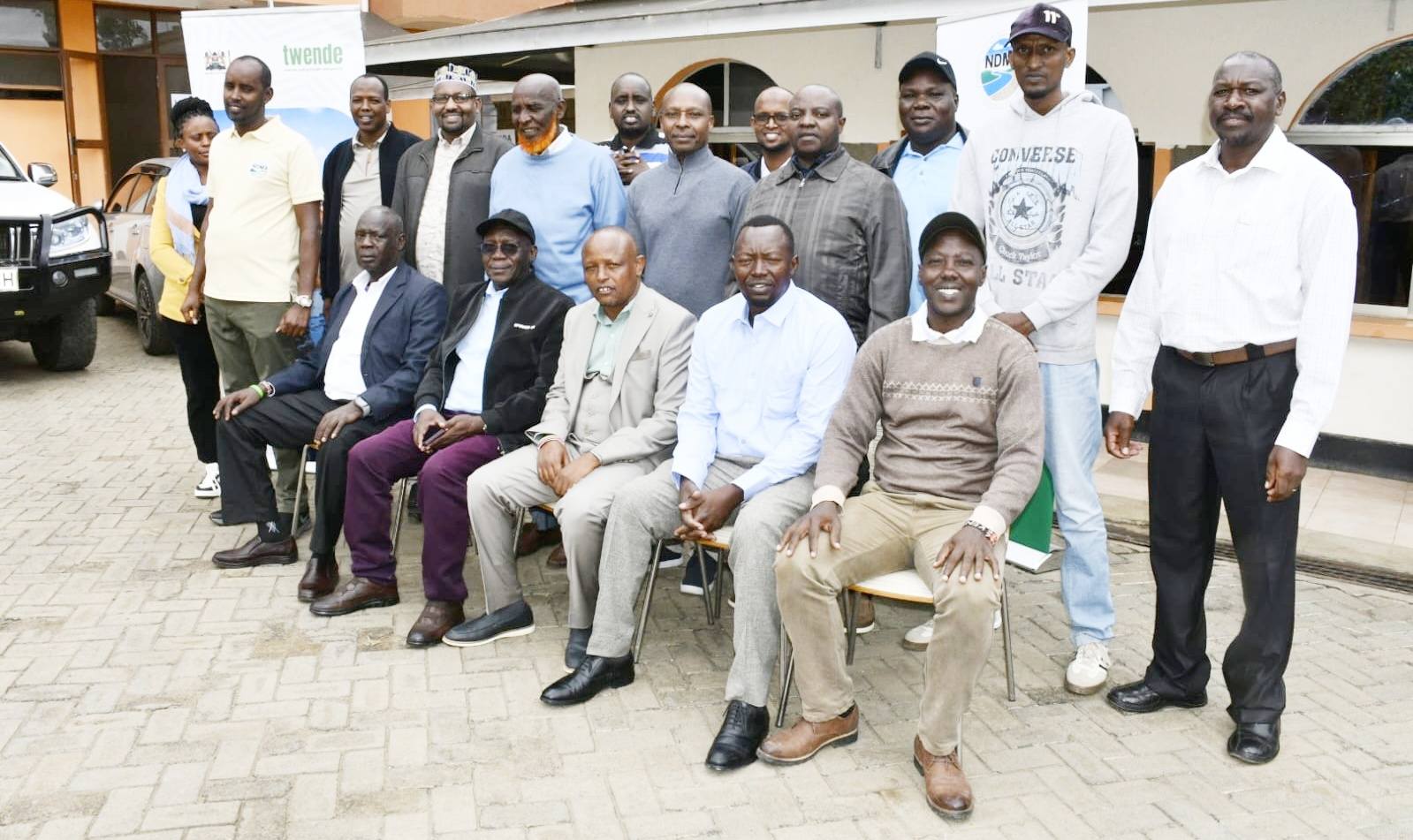
Speaking on the sidelines of a two-day workshop, Abdow Kerow from Isiolo Community Development Committee,
highlighted the importance of camel milk, describing it as more than a product.
“Camel milk is more than a commodity for Isiolo—it is a
lifeline. It sustains households, strengthens food security, and anchors our
cultural identity. This strategy finally gives the sector the structure and
ambition it has long deserved,” he said.
The strategy lays out a transformative agenda focused on
boosting production, strengthening cooperatives, improving processing and
quality assurance, expanding market access, and investing in value addition.
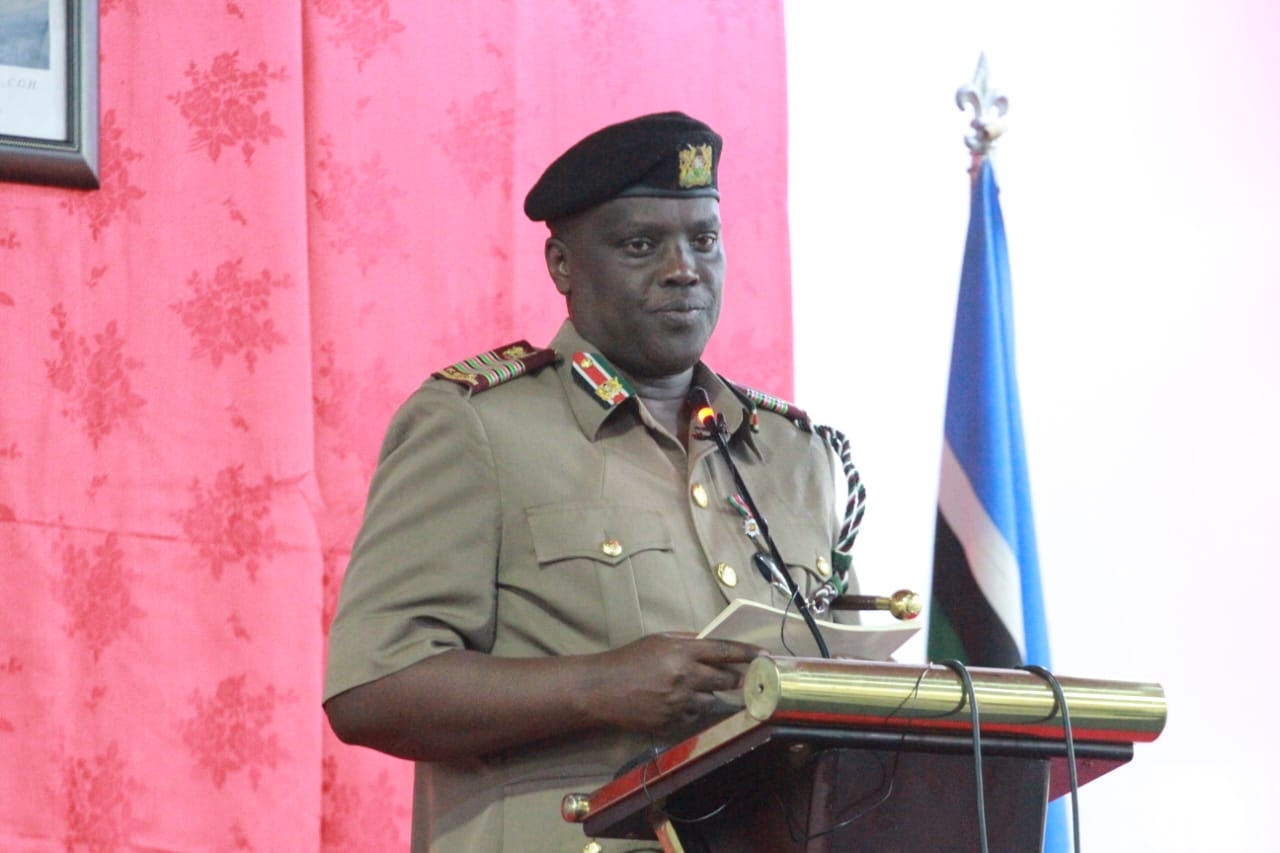
Chief officer for livestock, Isaih Epuru, said the
county plans to scale up infrastructure such as milk collection centres,
cold-chain systems, pasteurisation units, and modern milk ATMs, while promoting
products like yoghurt and cheese to capture new markets.
He reaffirmed the government’s dedication to strengthening
grassroots institutions.
“Our department is committed to supporting cooperative
societies so they can tap into the untapped potential within the camel milk
value chain. The future of Isiolo’s livestock economy depends on empowering
producers at the grassroots,” he said.
Deputy Speaker David Lemantile expressed
confidence that the strategy will reshape Isiolo’s economic future.
“Camel milk has the potential to become Isiolo’s flagship
economic driver. With the right investments and partnerships, it will create
jobs, expand markets, and transform the livelihoods of our pastoral communities,”
Lemantile said.
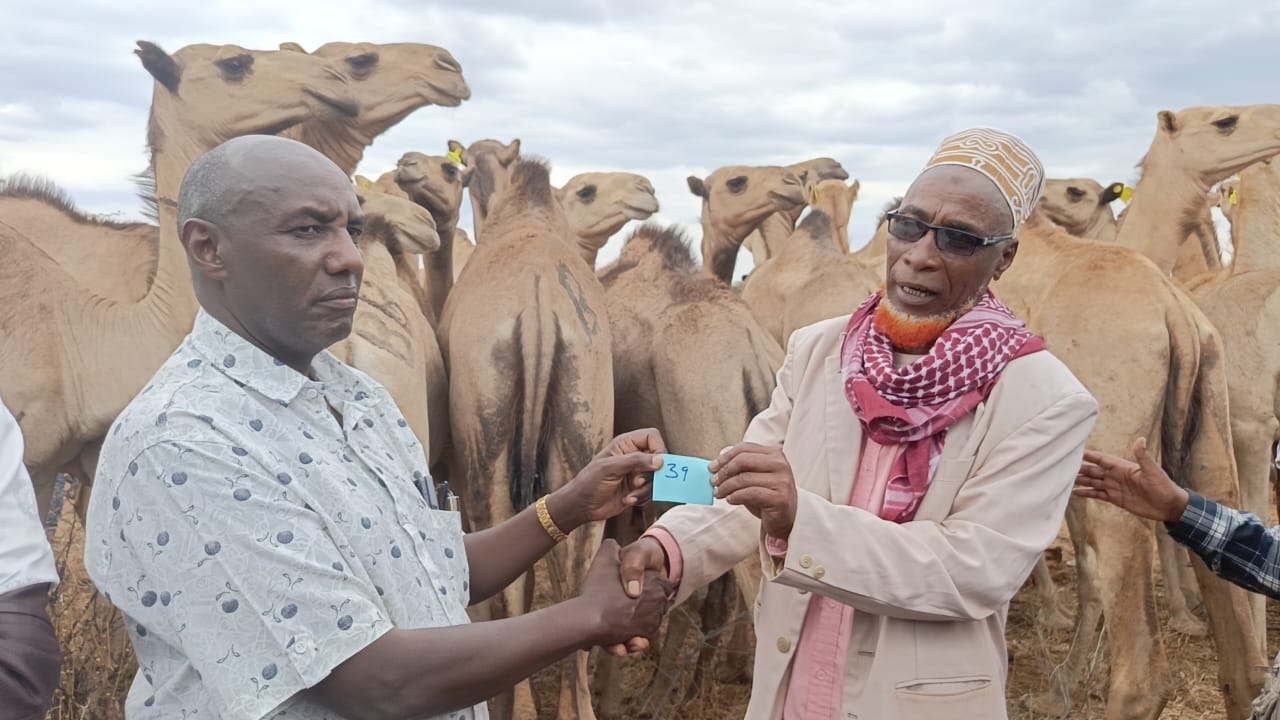
Mohamed Jarso, a camel header, welcomed the initiative, saying
that for many pastoralist societies, the camel is far more than livestock.
“To us pastoralist communities, the camel is an anchor of identity, survival, pride, and social continuity. Our relationship with this animal is emotional, economic, and ecological, woven into our daily life and collective memory,” Jarso said.