As a child, being told not to eat sugary food is a hard thing. I was so stubborn when I was young and in and out of hospital but my parents were always there for me
At only seven years old, Quresha Nur was diagnosed with diabetes.
She has spent the last 15 years in and out of hospital as she fights to manage the condition.
Now a young woman of 22 years, she refuses to be defeated by the disease
“I’m now a diabetes champion because I believe I have beaten all the odds to overcome the challenge since I was diagnosed with the disease in class three and at only seven years old,” Nur says.
The pain she has gone through inspired her to start Diabetes Champions Organisation to reach children with the disease.
“It is very traumatising. I remember after sitting my Kenya Certificate of Primary Education exam, some of my relatives and family friends told my parents not to take me to secondary school because of my condition," she says.
"Young children go through a lot. I was lucky because I had very supportive parents.”
SIGNS AND CAUSES
Nur says most parents are not aware of the signs and symptoms of diabetes in their children.
“Some of the signs and symptoms of diabetes, especially in children, are excessive thirst, excessive hunger, fatigue and excessive urination,” she said.
Raising a diabetic child is not easy, Nur says.
It is financially draining as the patient requires special food and regular hospital visits.
“As a child, being told not to eat sugary food is a hard thing. I was so stubborn when I was young and in and out of hospital but my parents were always there for me," she says.
"Parents should not pressure these children. Instead they should show them love and treat them well.”
Nur, who uses her condition to empower young girls and people living with diabetes, believes that the disease is not the end of life.
“This is just a condition that if you manage your diet, exercise and take your medication as advised, you will conquer,” she says.
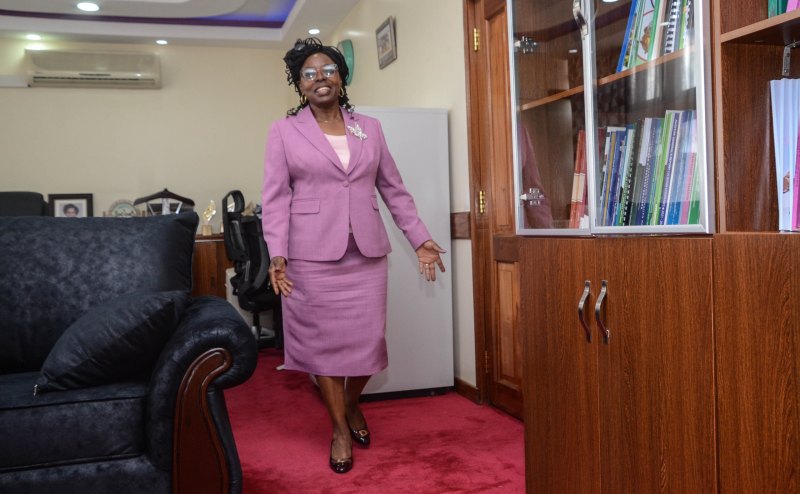
Mombasa nutrition and non-communicable disease coordinator Aisha Bakari said diabetes is a silent killer because it takes time to diagnose.
Many people in the community live in fear, they do not want to come out for treatment while others do not know that they are suffering from diabetes because they have not gone for screening
Bakari says some children are born with the disease – Type One.
She says both pregnant women who are suffering from diabetes and those who are diabetes free can give birth to a diabetic child because of a lack of or little amount of insulin in their bodies.
“We still do not have a specific cause of diabetes in children, but a child who is born with lack of or little insulin always suffers from the disease because the insulin helps in controlling the sugar levels in their bodies,” she says.
Women suffering from diabetes are likely to have problems during pregnancy and may end up giving birth to premature babies.
“This is mostly caused by late diagnosis as some women tend to seek treatment late when the condition has worsened,” Bakari says.
Poor diet and lack of exercise are some of the factors that lead to diabetes.
“The main factors that have led to the increase of diabetic cases are our lifestyle and the foods that we consume. People do not want to walk, instead, they use vehicles, tuk-tuks and motorcycles, something that has led to body weight increase," she says.
She says people eat food full of starch and sugar.
Bakari urges residents to exercise routinely, eat lots of vegetables and fruits, and avoid food with excess starch and oil.
DIABETES STATICS
In Mombasa, four out of 100 people are diagnosed with diabetes.
Health professionals say diabetes is a non-communicable disease that mostly affects people over the age of 40.
This age group is mostly affected by Diabetes Type Two, which attacks a person in adulthood.
According to statistics from the county health department, 3.3 per cent of the population is suffering from diabetes.
Bakari says more cases have not been captured because many people do not go for treatment.
“Many people in the community live in fear, they do not want to come out for treatment while others do not know that they are suffering from diabetes because they have not gone for screening,” she says.
Bakari says the county is working to sensitise residence on the importance of early screening and starting treatment early because many people visit the hospital when it is too late.
The county has five diabetic centres, located in Likoni, Tudor, Port Reitz Hospital, Coast General Teaching and Referral Hospital and Kanderbouy dispensary in Mvita subcounty.
Edited by Josephine M. Mayuya