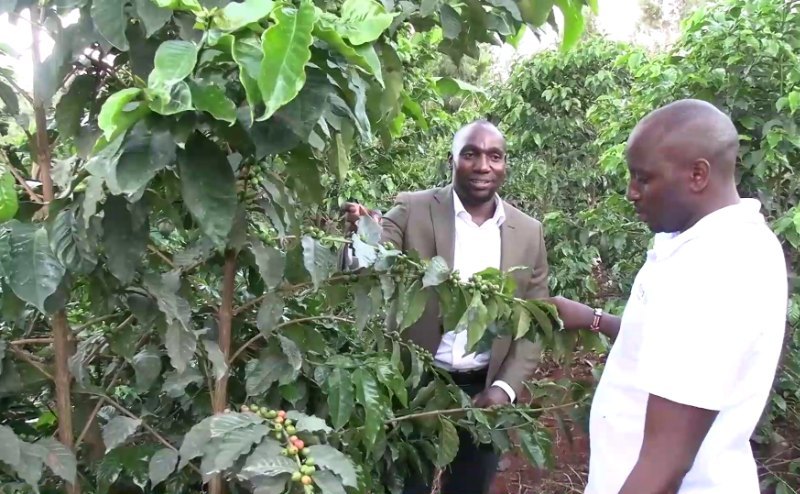
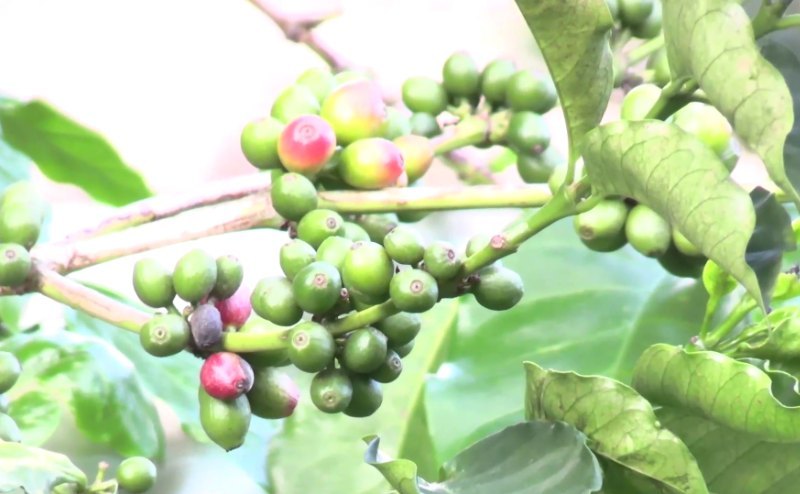
Coffee and tea farmers in Kirinyaga and Embu counties are
recording higher yields after adopting regenerative and climate-smart farming
practices through the Mt Kenya Sustainable Landscape and Livelihoods (MSULi)
programme.
The six-year programme, implemented by Rainforest Alliance
with support from the IKEA Foundation, has helped farmers adapt to
climate change while improving household incomes.
It has reached over 55,000 farmers living around the Mt Kenya landscape since it was started in 2020, surpassing its initial target of
training 50,000 farmers on sustainable farming practices, landscape restoration
and climate resilience.
"Farmers have reported that they have been able to
replace their old varieties with improved tea clones and coffee seedlings, and
are now witnessing increased yields and better quality produce," Rainforest Alliance Country Director Marion Nyaga said.
Farmers are also adopting environmentally
friendly methods that are restoring biodiversity and improving soil
health.
Nyaga said participants have reported the return of
pollinators such as bees, frogs and toads, indicators that ecosystems within
the Mt. Kenya landscape are gradually recovering after years of degradation
caused by unsustainable farming practices.
She said farmers have also adopted compost-making and
reduced dependence on chemical fertilisers and pesticides, helping restore soil
fertility while lowering production costs.
Healthier soils are retaining more
moisture, making farms more resilient to prolonged dry spells associated with
climate change.
Speaking during the release of the Rainforest Alliance 2025
Annual Report and Impact Data in Kagio, Kirinyaga county, Nyaga said the
programme has attracted private sector partners offering affordable
financing to farmers and agribusinesses, enabling them to invest in sustainable
production while creating employment opportunities.
The programme is also promoting landscape management by
encouraging farmers to conserve natural resources while diversifying into
enterprises such as avocado and macadamia farming alongside coffee and tea
production.
MSULi programme manager Dida Wario said the initiative has created institutions that will sustain the gains made after donor funding ends.
He said the programme has established a fully registered
Landscape Management Board, a multi-stakeholders platform, to coordinate
conservation and sustainable agricultural activities beyond the project's
lifespan.
The programme has restored more than 220 hectares of degraded forest, rehabilitated over 500 hectares of degraded farmland and restored approximately 46 kilometres of riparian land within the Mt Kenya landscape.
He added that partnerships with financial institutions have enabled organised farmer groups to access loans at interest rates as low as nine per cent, making investment in sustainable agriculture more affordable.
"We have created green enterprises and worked with financial institutions so farmers can access affordable loans to invest in climate-smart agriculture," Wario said.
Landscape Management Board trustee Karugu Macharia said the initiative is also focusing on improving farmers' access to affordable financing while ensuring women, youth and persons living with disabilities play a greater role in agricultural development.
"Regenerative agriculture is what our grandfathers and grandmothers used to practice. They planted different crops together, used manure and maintained healthy soils. We are simply bringing back those practices using modern knowledge," Macharia said.
The board is targeting at least 30 per cent participation by women, 10 per cent by youth and another 10 per cent by persons living with disabilities.
It is also implementing landscape restoration projects, including rehabilitation of degraded areas and collaboration with learning institutions and community groups to promote environmental conservation.
Farmers who have adopted the new practices say the programme has transformed both their farms and household food security.
Farmer trainer Alice Kanga said compost manure, organic pest control and regenerative farming techniques have improved soil structure, increased pollinator populations and significantly boosted crop production while reducing dependence on agrochemicals.
"I have had high yields in my farm because of regenerative agriculture. We now make compost manure, use biological pesticides and have healthier food because we no longer depend on excessive chemicals," Kanga said.
Chief Scientist at the Coffee Research Institute Danstan Odeny said the programme complements government policies aimed at improving farmers' livelihoods while strengthening climate resilience in agricultural production systems.
He said research institutions are providing evidence-based technologies that enable farmers to adopt improved crop varieties and sustainable farming practices capable of increasing productivity without degrading the environment.
He expressed optimism that the successful model will be expanded to other high-value agricultural landscapes in the country to strengthen food security and climate resilience.
![[PHOTOS] The new Ngong –Naivasha Road viaduct](https://cdn.radioafrica.digital/image/2026/06/64d4f771-4432-4aee-ba3c-2f304c4436ec.jpg)