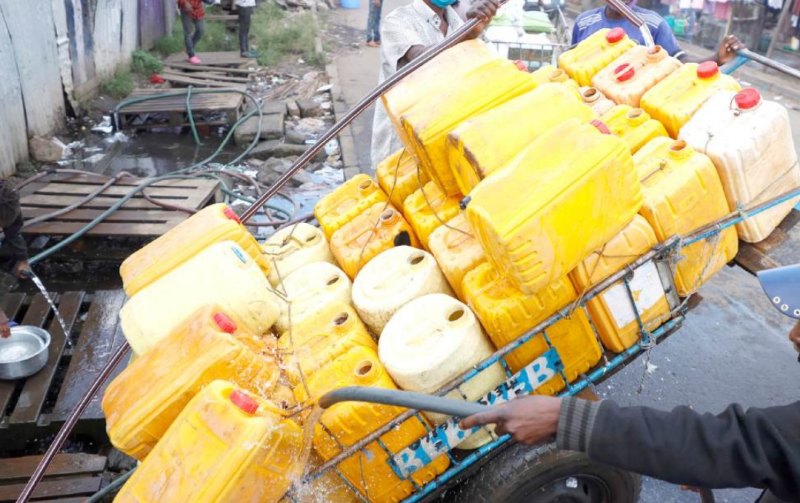
Roads vanished into dust trails denying passage to progress. Schools stood scarce and distant, leaving the youth yearning for the light of education. Hospitals were fleeting dreams, where the sick sought solace in the absence of adequate healthcare. Industries found refuge elsewhere, leaving the land's potential untapped. Agriculture struggled under the weight of neglect, denying sustenance to communities and livelihoods.
Politically, the voice of the North was but an echo in the chambers of power. Representation was a distant privilege, resulting in a meagre share of national resources and attention. The nomadic spirits of pastoralist communities wandered, seeking recognition and support for their unique way of life. Shadows of insecurity loomed large, further inhibiting progress and perpetuating a cycle of despair.
The arrival of devolution heralded a promise of change, a chance to break the shackles of neglect, empowering these regions to chart their destinies. However, the journey towards equity and prosperity remains an uphill climb. Before devolution, everything was packaged into this single narrative: “We are marginalised by the national government.”
Original aim of devolution
The original intention of devolution was rooted in the pursuit of equitable and inclusive development for all. Also to decentralise power, resources, and decision-making processes, intending to address historical marginalisation and disparities. It aimed to provide opportunities for active participation in decision-making processes, ensuring needs were addressed.
These was envisioned to bridge the development gap between marginalised regions and more developed areas. It intended to allocate funds and resources more equitably to spur infrastructure development, access to quality education, healthcare, and economic opportunities. Devolution was also seen as a means to promote peace, stability, and social cohesion by involving communities in governance and development processes, potentially mitigating inter-community disputes.
Politics of the begging bowl
A trend whereby counties overly-rely on the central government for financial support rather than maximising their own resources or generating revenue locally has been witnessed. This reliance has led to a situation where counties are perceived as continuously seeking financial assistance from the national government, creating a dynamic that resembles a ‘begging bowl’ mentality.
It's important for counties to strive for financial autonomy by effectively utilising their resources, implementing sound economic strategies, and reducing dependency on external funding.
Fund allocation versus development in the North
The wounds of historical marginalisation couldn’t be healed with devolved financial injections. The treasury poured forth its offerings, a gesture of hope to bridge the chasm of historical neglect. Over Sh250 billion has been channeled to the Northern Kenya counties to date but the fruits of these resources have dramatically failed to flourish into the envisioned transformation.
However, the dearth of expertise and administrative hurdles cast shadows upon the implementation of development projects, stalling the wheels of advancement. Mismanagement and the ghosts of corruption haunted the corridors of governance, syphoning the allocated resources. Transparency was obscured, leaving communities unsure of the true destination of these funds.
Infrastructure remained skeletal, education and healthcare yearned for nurturing, and economic opportunities struggled to find fertile ground in these neglected soils. Today, 11 years after devolution the level of development does not match the billions allocated so far.
Betrayal politics and deceitful leadership
For my 75-year-old dad, the one thing that changed is that their neglect and marginalisation now has a local face. Their resources are stolen by the same faces he usually sees in the mosques. The promise of progress echoed against the backdrop of betrayed hopes and deceptive leadership. Amid the aspirations for transformation, the shadows of betrayal cast a haunting veil over the landscape.
The echoes of political promises faded into the abyss of broken commitments. The trust bestowed upon leaders dissolved like sand slipping through grasping fingers, leaving the people disillusioned and disheartened. Betrayal seeped into the fabric of governance, where deceitful agendas replaced the solemn pledges made to uplift these regions.
Flood menace and political irresponsibility
With the coming of excessive rains, our leaders are crying for help from the national government again; the same cry of ‘Serikali Saidia’ during droughts. In the vast expanse of Northern Kenya, where the parched earth thirsts for life-giving rains, a different calamity descends in the form of floods. But amid nature's fury, another crisis looms larger — the weight of political irresponsibility.
As the heavens open and torrents cascade down, transforming the dry terrain into a watery expanse, homes are swallowed whole, livelihoods washed away, and communities left stranded in the deluge. Yet, this natural disaster is compounded by the man-made negligence that exacerbates the suffering.
Political irresponsibility, a shadow looming over the landscape, casts its ugly shadow across the flood-ravaged lands. The cries for help drown in the rising waters, unheard by leaders who seem deaf to the urgent needs of their people. The lack of foresight and planning reveal the stark truth of political negligence — a betrayal of duty that leaves communities vulnerable to the ferocity of nature.
Poor emergency response
In a region plagued by recurring droughts and socio-economic challenges, the limited government aid acts as a mere bandage on a wound that requires more profound healing. The cries for sustainable solutions, for infrastructural development, and for long-term strategies to uplift these neglected regions are met with fleeting gestures that barely scratch the surface of the pervasive issues.
The lack of adequate support and aid widens the chasm of disparity, leaving the people of northern Kenya to fend for themselves amidst the unforgiving elements. As they struggle to eke out a living in harsh conditions, the echoes of unmet promises reverberate across the vast expanse, a haunting reminder of the unfulfilled commitment to uplift these marginalised communities.
The cries for help echo through the lands, met with delayed or insufficient action, leaving communities vulnerable and exposed to the harsh realities of these catastrophes.
In the aftermath of each tragedy, the populace faces the harsh reality of political indifference. The flood menace, exacerbated by political apathy, becomes a stark emblem of the systemic failure. Communities, grappling with loss and displacement, find themselves stranded not just in waterlogged plains but in the quagmire of political neglect.
In the chapters of northern Kenya's tragedies, the ink of political irresponsibility stains the narrative. The absence of proactive governance stands as a testament to the betrayal of trust, leaving communities to navigate the waters of despair, while their leaders stand idle on the shores of indifference
Parting shot
In the context of northern Kenya's landscape, where resilience meets the trials of neglect, a fervent plea resonates — a call for the prudent management of devolved funds, a beacon illuminating the path towards equitable development. Let the corridors of power echo with the collective aspirations of Northern Kenya's communities and make the dream of better devolution a reality.
Let the promise of devolution be a pledge fulfilled, not a fleeting mirage in the arid expanse of unmet needs. The prudent management of devolved funds isn't just a responsibility; it's a moral imperative. It's a commitment to justice, equity, and the transformative power of inclusive governance.
In the heartbeats of the northern Kenyan, let the rhythm of financial accountability resonate — a melody composed of transparency, oversight, and responsible utilisation of resources. Let it be a symphony that harmonises the aspirations of the people with the actions of governance.
We pray that the voices of the marginalised people find resonance in the chambers of decision-making. May the resources allocated be the seeds sown for a bountiful harvest of progress — a harvest that nourishes communities, empowers the vulnerable, and nurtures a landscape ripe with opportunities.
Let us not only envision development but materialise it through accountable leadership, prudent resource management, and a collective commitment by the local leaders to uplifting the marginalised.
Let the legacy of responsible governance be etched upon the soil of Northern Kenya — a legacy that stands as a testament to the transformative power of accountable leadership, ensuring a brighter and more equitable future for generations to come. A better devolution is possible for the people of North.
The writer is a political commentator