

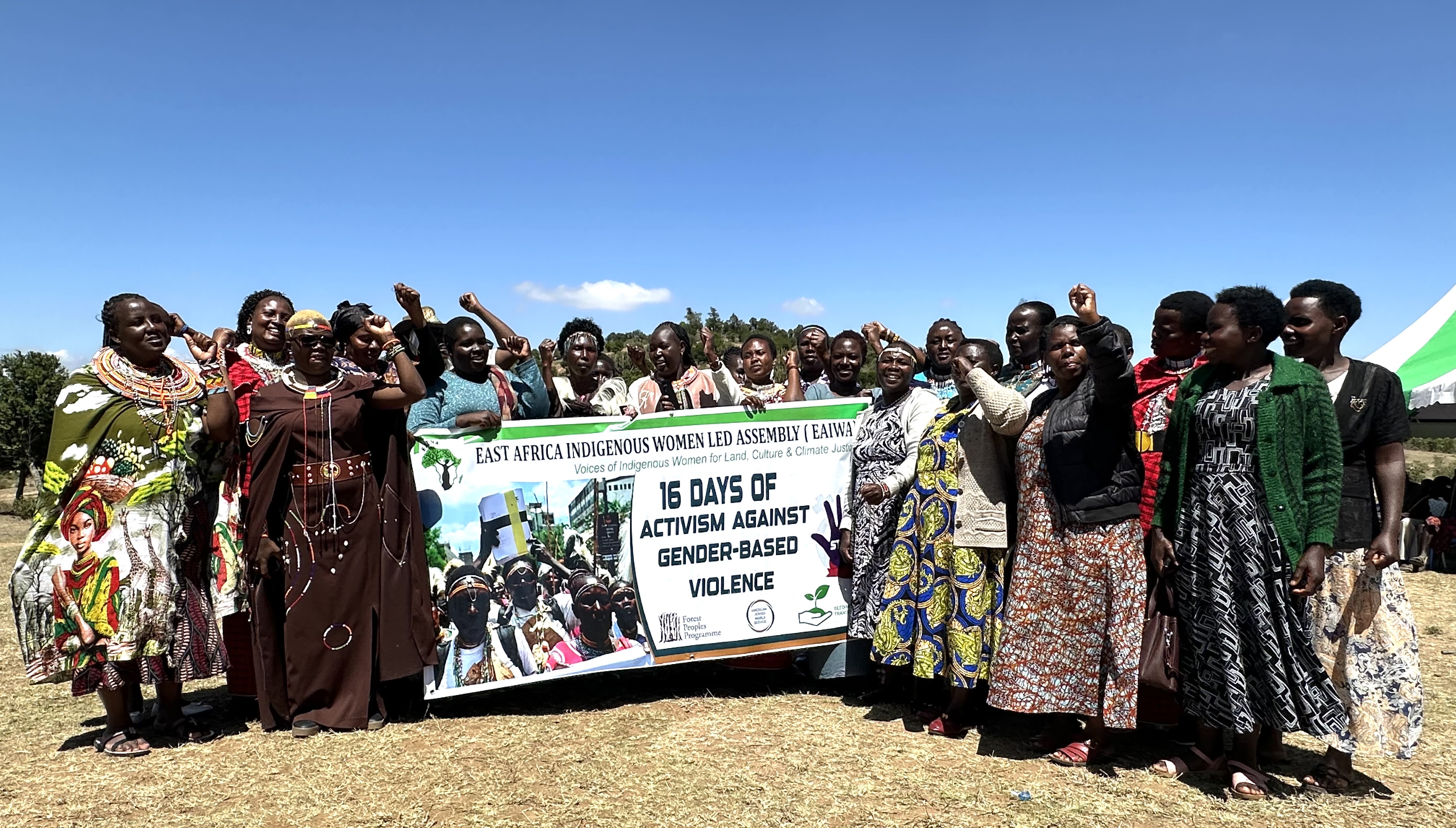
Indigenous women from across East and Central Africa have raised the alarm over multiple and intersecting forms of violence that continue to target them, worsened by climate change, land dispossession and historical injustices.
Speaking during the seventh East Africa Indigenous Women-led Assembly in Dol Dol, Laikipia county, the women said gender inequality, harmful cultural practices, limited access to justice, political underrepresentation and shrinking civic space leave them vulnerable to abuse.
“We unite to call for an end to all forms of violence, discrimination and marginalisation experienced by women and girls. We affirm our commitment to champion the rights, safety and dignity of indigenous women and girls, ensuring their meaningful participation in leadership and decision-making spaces,” the assembly said in a joint statement.
The meeting, held to mark end of the 16 Days of Activism Against Gender-Based Violence and International Human Rights Day, highlighted the disproportionate burden of violence faced by indigenous women and girls, including physical and sexual assault, exploitation and cases of missing or murdered individuals.
Studies show these risks are amplified in resource-scarce areas, particularly among pastoralist and hunter-gatherer communities.
Reports reveal female genital mutilation (FGM) remains widespread among certain groups, including the Somali (98 per cent), Kisii (96per cent) and Maasai (73 per cent).
Inter- and intra-communal conflicts over diminishing water and pasture further expose women to harm, as they shoulder responsibilities such as fetching water, often traveling long distances under threat of assault or attacks by wildlife.
Neema Alayana Laizer, a Maasai from Tanzania, described the daily dangers: “Some women are beaten by their husbands for returning late, having fetched water from far-off areas. When we lose our cattle, it is women who must feed and clothe their families.”
Libaku Philippe, from the Batwa people of the DRC, highlighted the devastating impact of evictions from the Kahuzi-Biega forest, which undermined livelihoods and limited access to economic and medicinal resources. Conflicts in eastern Congo have further compounded these challenges.
In Kenya, land dispossession continues to heighten vulnerability.
Judy Kipkenda, executive director of the Koibatek Ogiek Women and Youth Network, noted that women disproportionately bear the brunt of evictions, facing physical violence if unable to provide for their families, with poverty driving early and forced marriages.
Despite the hardships, the assembly has strengthened indigenous women’s collective voice, advocacy and legal victories. Neema added that the forum has empowered women in traditionally patriarchal societies to demand their rights.
The assembly called for access to justice, culturally responsive protection systems, land rights, economic empowerment, preservation of indigenous knowledge and stronger leadership roles for women, recognising them as custodians of culture, biodiversity, peace and community welfare.
This year’s assembly brought together leaders and grassroots defenders from diverse indigenous communities, including the Ogiek of Mau and Mt Elgon, Maasai of Kenya and Tanzania, Batwa of Uganda and the DRC, Sengwer, Aweer, Yaaku, Wayyu and allies from the Nairobi Social Justice Centre.
The participants urged policymakers, development partners, community leaders, and human rights defenders to renew their commitment to ending gender-based violence and to ensure the protection and empowerment of indigenous women and girls for justice, sustainable development and lasting peace.