 Marjorie Kivuva, Partner for Private Wealth at Tarra Agility Africa.
Africa is producing millionaires faster than ever before, but wealth experts are warning that many of the fortunes being built today could disappear within a generation unless families prioritise succession planning and stronger governance.
The warning was issued at the Nairobi Private Wealth Conference 2026, where advisers said Africa has entered the "Great Wealth Transfer" — a period in which wealth created by first-generation entrepreneurs is increasingly being passed on to their heirs.
Figures shared during the conference, convened by Tarra Agility Africa, show Kenya is home to between 6,800 and 7,200 dollar millionaires managing an estimated $90 billion (about Sh11.6 trillion) in assets.
Across the continent, Africa now has more than 122,000 dollar millionaires with an estimated $2.5 trillion in investable wealth, a figure expected to rise significantly over the next decade.
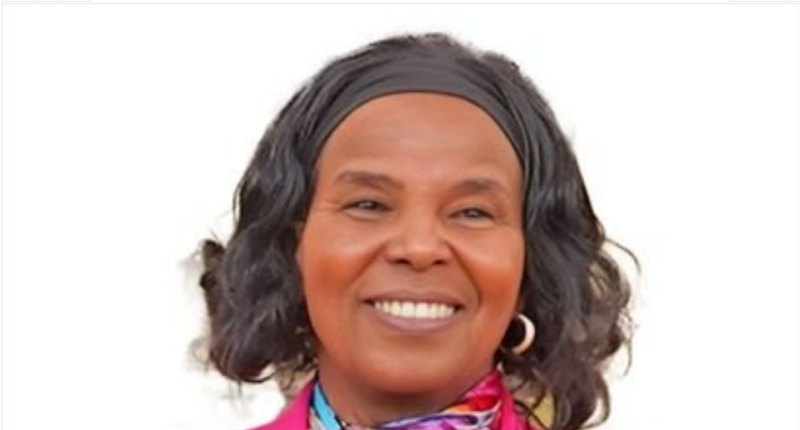
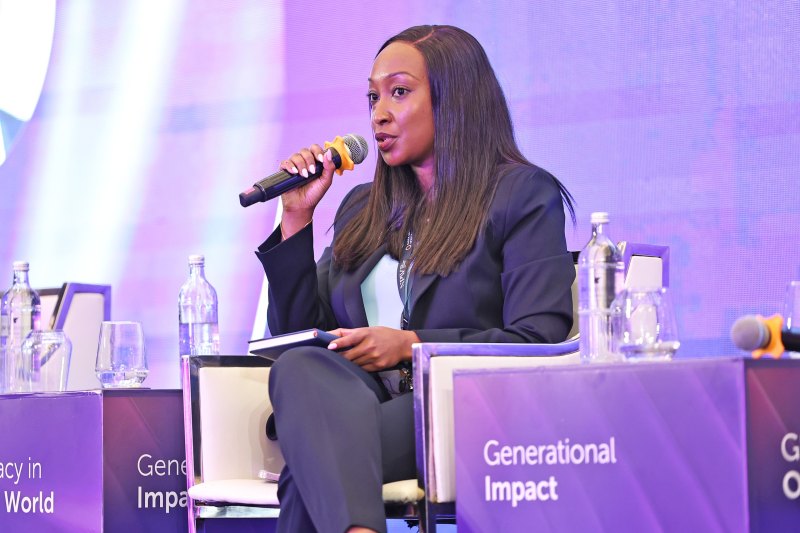
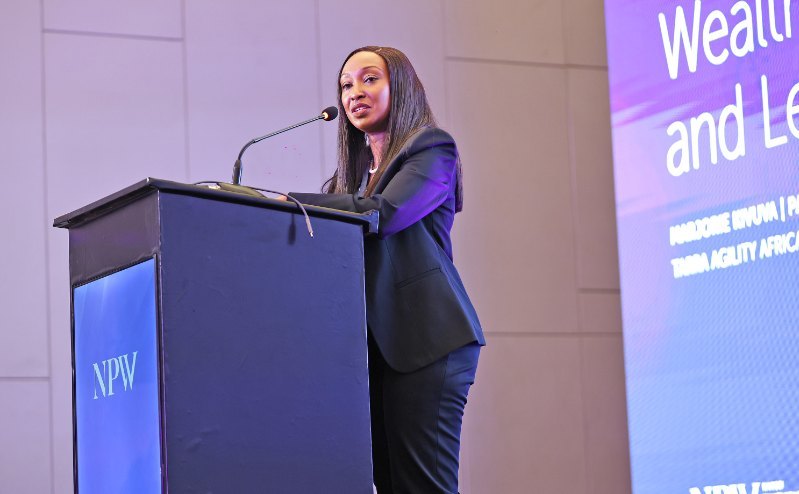 Marjorie Kivuva, Partner for Private Wealth at Tarra Agility Africa.
Despite the rapid growth in wealth, experts warned that many family-owned businesses remain poorly prepared for succession.
Tarra Agility Africa Partner for Private Wealth Marjorie Kivuva said Africa's wealth ecosystem has matured much faster than the governance and legal structures needed to protect it.
"Africa's wealth ecosystem is maturing rapidly, but legacy planning and governance structures have not evolved at the same pace," Kivuva said.
She noted that many wealthy families now own businesses and investments across multiple jurisdictions, making integrated legal, tax and wealth planning increasingly important to ensure smooth transfers between generations.
Kivuva cautioned that many businesses continue to operate without formal governance structures, shareholder agreements or succession plans, exposing families to disputes when founders retire, die or become incapacitated.
"When disagreements or disruptions happen, family members are understandably emotionally charged and sometimes it is difficult to make wise business decisions," she said.
The experts said the challenge is becoming increasingly urgent as family businesses worldwide struggle to survive beyond their founders.
Globally, only 30 per cent of family businesses make it to the second generation, while just 10 per cent survive into the fourth generation. The outlook could be even tougher in Africa, where succession planning is often treated as a personal matter rather than a strategic business priority.
Research by Standard Chartered also points to mounting pressure on wealthy families, with nearly three-quarters of family office professionals reporting increasing family tensions driven by market volatility, geopolitical uncertainty and generational change.
Most believe stronger succession planning and better management of cross-border assets could save families millions during future wealth transfers.
The conference concluded that while Africa's entrepreneurs have proved they can create wealth, preserving it for future generations may become the continent's greatest business challenge.