Inflation, war hurt Safaricom's Ethiopia 10m user target
<ul>
<li>In May, the Kenyan telco was granted the license to operate mobile money services, M-Pesa. </li>
<li>Although inflation has slightly eased from a high of 34 per cent last year, the current rate of 31.4 is still high.</li>
</ul>
by The Star
Audio By Vocalize
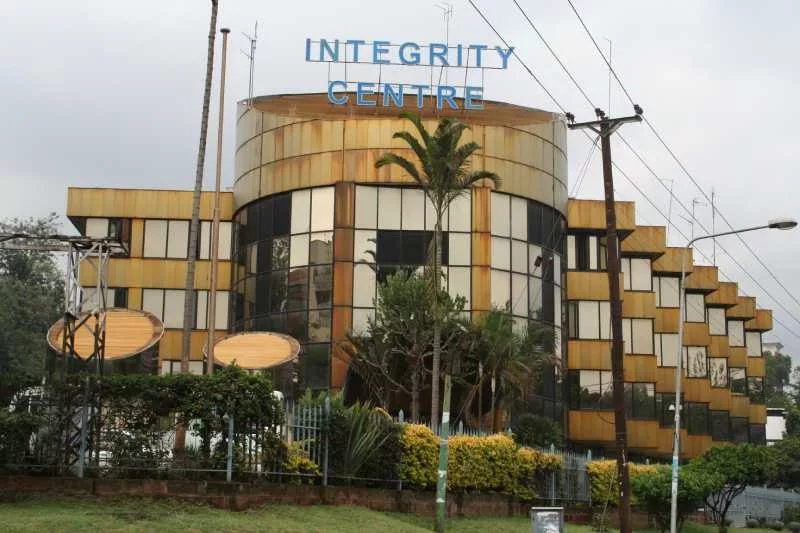
Safaricom House
Hyperinflation, a boycott campaign, and stiffer-than-expected competition from a former local monopoly are standing in Safaricom's way to hit 10 million subscribers in Ethiopia by March next year.
On August 4, Safaricom Ethiopia had to shut down its sites in the country’s second-largest region, Amhara after the Federal Government declared a state of emergency following fighting between the military and the Fano militia.
Yesterday, a Safaricom Plc official told the Star in confidence that it will be a miracle if the subsidiary hits the 10 million target it projected in July.
"There are so many factors playing against us. Remember, the country is in the process of on-boarding another operator in the market. However, we have a clear plan for growth,'' the insider working with the team in Ethiopia said.
The telco, which launched operations in Ethiopia on October 6, 2022, started on a strong footing registering a million subscribers by the close of the first month while generating Sh98 million in revenue from the market during the period.
Last month, the telco’s chief corporate affairs officer Stephen Kiptinness said the subsidiary had hit five million customers, clocking an average of 16,600 users daily for 10 months, 2,000 lower compared to the first month.
"Right now, the team is recording less than 5,000 subscribers per day and even zero in some regions especially those affected by clashes and civil society protests, the source told the Star.
This revelation comes just days after the Ethiopian Communication Authority (ECA) extended the deadline for the application period for the second operator license to October 6.
"ECA received concerns and requests from several prospective investors to extend the deadline for submission to October 6,'' the regulator said in a statement seen by the Star.
Once the authority has received the submissions from the bidders, it will proceed to the second phase of the licensing process, which is the request for proposal.
This will be the second operating license to be issued by the landlocked country after the Safaricom-led consortium won the first bid in July 2021 becoming the first private entity to operate in the country.
Already, the French telecommunications giant Orange has expressed interest in bidding for a minority stake in the Ethiopian telecom market.
In June, the firm's Africa CEO Alioune Ndiaye visited Ethiopia for discussions with government officials.
UAE's Etisalat is also considering a bid for a 45 per cent stake in Ethio Telecom.
The international consortium comprising Vodafone and Vodacom, UK’s CDC Group, and Japan’s Sumitomo Corporation, won an $850 million license bid to operate in Ethiopia, defeating MTN of Mauritius who bid $600 million.
In May, the Kenyan telco was granted the license to operate mobile money services, M-Pesa.
The challenges are pilling less than a month after the World Bank granted Safaricom Ethiopia $257.4 million (Sh36.8 billion) in funding to support the telco’s greenfield telecommunications projects.
The money is expected to increase Ethiopia’s mobile connectivity.
The funding came from equity investments, a loan, and guarantees through the World Bank Group’s private investment arm, the International Finance Corporation (IFC), and the Multilateral Investment Guarantee Agency (MIGA).
Financial risk assessment expert Daniel Ombogo says that apart from the political tension in the 120 million people nation, the current high cost of living is leaving little or no disposable revenue for families.
Although inflation has slightly eased from a high of 34 per cent last year, the current rate of 31.4 is still high.
Besides, Safaricom's subsidiary is facing heated competition from Ethio Telecom, which continues to dominate the telecom sector.
The state-owned telco recently announced impressive financials, generating a total revenue of 75.8 billion birr during the 2015 Ethiopian fiscal year, surpassing its target by 101 per cent.
The entry of a new player is likely to tilt the scale for Safaricom and Ethio Telecom, which have been enjoying a duopoly, sharing 50 million subscribers.
Some of the global telecommunication firms targeting Ethiopia's rich telecommunication market include UAE's giant Etisalat, Veon Telecom from the Netherlands and Orange from France who participated in the first bid.
The firm is also facing opposition from civil rights groups, which have mounted boycott campaigns against the firm over alleged overlook of the local talent.
Safaricom has since refuted the claims, saying the firm prioritises the local economy in its undertakings.
Safaricom House
This is premium content
Subscribe to Continue Reading
Help us continue bringing you unbiased news, in-depth investigations, and diverse perspectives. Your subscription keeps our mission alive and empowers us to provide high-quality, trustworthy journalism. Join us today to make a difference!