So grave is the situation that some dealers have been forced to lay off staff to reduce operational costs .
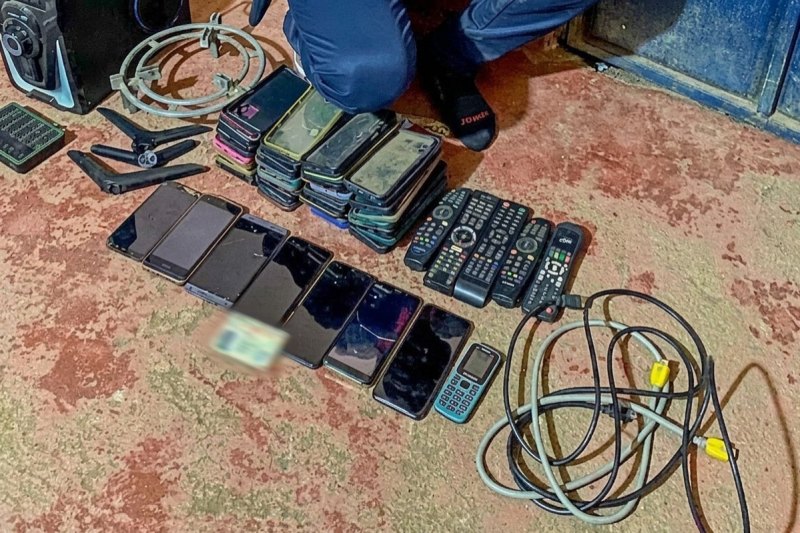
A spot check by the Star at various mobile phone outlets in Nairobi, Mombasa and Kisumu lay bare the gravity of the matter with most of the operators holding on to the stock they brought in October last year.
What started as a global challenge due to chip shortage which hit automobiles at the height of the pandemic has been worsened by the tough cargo tax regime, making products not only rare but also expensive.
A major global shortage of computer chips was caused by disruption in production and supply chain at the height of the Covid-19 pandemic, 2020-2022, with industries yet to recover.
According to global market intelligence firm–International Data Corporation (IDC) introduction of 5G devices has further accelerated the demand for smartphones.
According to IDC,5G phones capture about 34 per cent of all mobile phone shipments while semiconductors for 5G phones account for nearly two-thirds of the revenue in the segment, according to the research director for connectivity and smartphone semiconductors.
“The timing of the chip shortage is presenting supply chain issues,” IDC said in a recent report.
Phone dealers who spoke to the Star attributed their woes to the decision by the Kenya Revenue Authority to adopt the new tariff based on transaction value, a departure from the previous model where importers declared loose cargo and paid a fixed duty of Sh200 per kilogramme.
The revenue man accused dealers of abusing the initial plan aimed at easing costs for small importers.
Some importers of restricted items, such as expensive mobile gadgets and other electronic devices, have been cutting corners to bypass import permits.
For instance, some importers have reportedly been shipping in high-end mobile devices, declaring them feature phones. This, in return, saw them pay a fraction in tax of the actual value of the devices.
Besides, the taxman observes that many of these importers brought in their goods through consolidation, avoiding using their PINs to declare imports.
"I used to make up to Sh90,000 in sales on a good day on when there was a seamless supply of mobile sets. But these days selling a single unit has become practically impossible, Charles Donde, proprietor, Magic Electronics located along Duruma Road in downtown Nairobi told the Star.
Her employees, Carol Kimeu and Emily Chakava say they sell less than 12 units in a week, something they used to do in a day.
"This problem started sometime in December. Initially, we thought that it was due to the high cost of living but the situation has remained so since then. I earn a commission. You know what that means to my family who depend on me,'' Chakava said.
For the first time in five years, NewTech Mobile Accessories owner Abdulhakim Amer is contemplating cutting down the number of his employees due to poor business.
“For the past couple of weeks, we have run out of stocks. Our shelves are now empty due to a shortage of mobile phones in the country,” said Amer during the interview.
He added, “Business is now worse compared to 2020 during the peak of the Covid-19 pandemic. I’m now contemplating cutting down the number of my employees.”
According to Amer, initially, they were doing sales of more than Sh50,000 every day, but currently, he barely makes more than Sh7,000 per day.
The situation is the same for Laban Wairegi who has been running LabSmart mobile phone accessories and shop along Luthuli Avenue in Nairobi for more than a decade now.
"I deal in low-cost smartphones. We are witnessing a new phenomenon in the market. I cannot recall the last time we had a supply challenge of this magnitude. Most affected brands include Samsung, Itel, and Real Me,'' Wairegi said.
Amer said the end-user will suffer more if the shortage continues
“Our profit margin is usually between 5 and 10 per cent for retail and about three per cent for wholesale. If the taxes increase, we will also be forced to increase our prices, and eventually, the end users are the ones who will pay more,” explained Amer.
George Njuguna, a laptop and mobile phones dealer in Mombasa, said the shortage being experienced in the country has led to hiked prices for electronics.
“Initially, we used to sell about three laptops per day. Now, we do not even have laptops to sell, because the shelves are empty,” he said.
Rachael Mueni, a smartphone seller at Kenya Cinema along Moi Avenue in Nairobi says she has witnessed at least four shops close since June due to the shortage.
“There is a problem that we must admit. All goods coming via air are not being cleared. No goods are coming in whether you’re shopping or shipping in from Dubai or China to Kenya via air,'' Alice, a dealer in Kisumu said.
An Industry spot check by The Star has revealed that some of the phone companies have recorded a sales reduction of up to 50 percent compared to last year.
Tecno, Samsung, and Xiaomi say the move has led to a decline in sales and delayed delivery of pre-ordered devices.
"Externally we experienced stock shortage caused by the new government policies,” said Transition integrated marketing communications supervisor Samantha Wainaina.
The director of Mobile experience at Samsung East Africa Charles Kimari, also confirmed that the country has been experiencing delays in delivery of smartphones compared to regional countries.
“From the East African business, despite a robust growth, in Kenya distributors have had a 40 percent drop in supply across our entry-level models as compared to the same period last year,” said Kimari
A recent market survey by IDC shows device shipments to Kenya dropped by about 13.5 per cent in the fourth quarter of last year, pegged mainly on supply shortages and inflation.
IDC added that the strong US dollar pushed up import costs translating to higher retail prices for buyers.
“While the general market sentiment was negative in Q4 2022, vendors that offered their products via asset-financing platforms were the least impacted,” said George Mbuthia, a senior research analyst at the IDC.