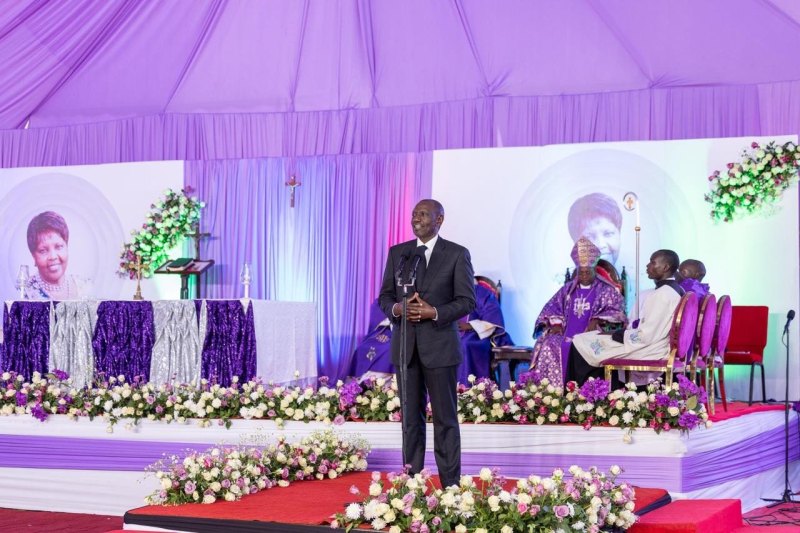
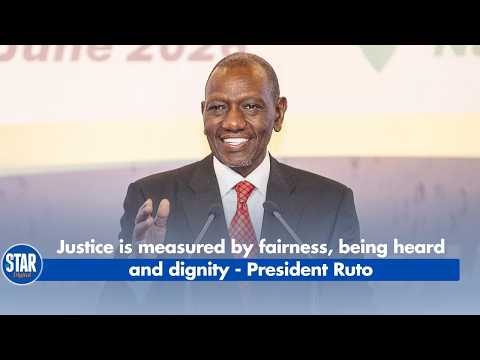
The move comes three months after President William Ruto promised to privatise ten state entities by end of 2023 in a bid to end the six-year listing drought at the Nairobi bourse.
The State-backed Privatisation Bill, which seeks to replace the 2005 law, will offer the exchequer more powers in the sale of parastatals by excluding Parliament from the process.
Last October, Ruto said the government plans to bring five to ten companies to the market through initial public offerings (IPOs), urging the private sector to also list at least five firms.
The President hopes the listing of government parastatals will boost the NSE, which has not had an IPO since October 2015, which saw the listing Stanlib Fahari REIT.
The last successful privatisation by the government was the sale of Safaricom shares in 2008.
During former President Mwai Kibaki's regime KenGen, Kenya Reinsurance, Safaricom and Mumias Sugar were privatised through the NSE between 2003 and 2008.
Uhuru Kenyatta's administration did not manage to sell a single entity, despite earmarking 26 companies for privatisation.
Among them were the Kenya Ports Authority and Kenya Pipeline alongside loss-making state owned banks, struggling sugar millers and state hotels that have been run down over the years.
The Kenya Kwanza government has indicated that it will sell several agencies including Kabarnet, Mt Elgon Lodge, Golf Hotel, Sunset, Kenya Safaris Lodges and stakes in Hilton Group of Hotels, InterContinental Hotels Corporation and Mountain Lodge Limited.
Consolidated Bank, Development Bank, Kenya Meat Commission and Kenya Cooperative Creameries are also targeted for sale
The past privatisation bids were frustrated by MPs considering that, the National Treasury CS is required to submit a report in the form of a sessional paper on a privatisation proposal approved by the Cabinet to the National Assembly for consideration.
The report is reviewed by a parliamentary committee before it is tabled in the National Assembly for approval.
However, in the proposed law, the treasury chief is expected to drive the privatisation process, including identifying and determining entities to be included in the programme.
The privatisation plan comes in a period of market volatility, with foreign investors exiting emerging markets for better returns in western markets due to high-interest rates.
All three indices at the Nairobi bourse have been dropping since the beginning of the year as major counters led by Safaricom, which commands almost 60 per cent of market capitalisation tumble.
Weekly Central Bank of Kenya data shows the NASI closed the week at 123.26 points, having shed 3.9 per cent in the past four weeks and 25.3 per cent year-to-date, the lowest it has traded in the past seven months.
Trading Economics forecasts the index to be priced at 121 by the end of this quarter and at 116 in a year as the market enters a full bear on recession fears.
On Wednesday, the market closed at its strongest in the past two weeks, with Safaricom's share gaining 2.4 per cent to end the day at Sh23.55. Its market capitalisation grew to Sh943.5 billion.
.