By
the time this year’s KCSE candidates click “submit” on their course choices,
they will have waded through a louder fear than exam anxiety: the suspicion
that Artificial Intelligence is coming for their future.
That
fear is rational, just not universal. In a world where algorithms eat routine
work for breakfast, some careers become more valuable precisely because they
are stubbornly, gloriously human. Hospitality is one of them.
For
too long, Kenyan success has been narrated as a straight shot through a
university degree to an office job. But our labour market is making a different
argument.
In April, the Kenya Universities and Colleges Central Placement
Service disclosed that 8,130 students who qualified for degree entry chose
diploma programmes instead—a small but telling break with tradition. The
question those students are asking is the right one: Which paths lead to real,
defensible opportunity in the age of AI?
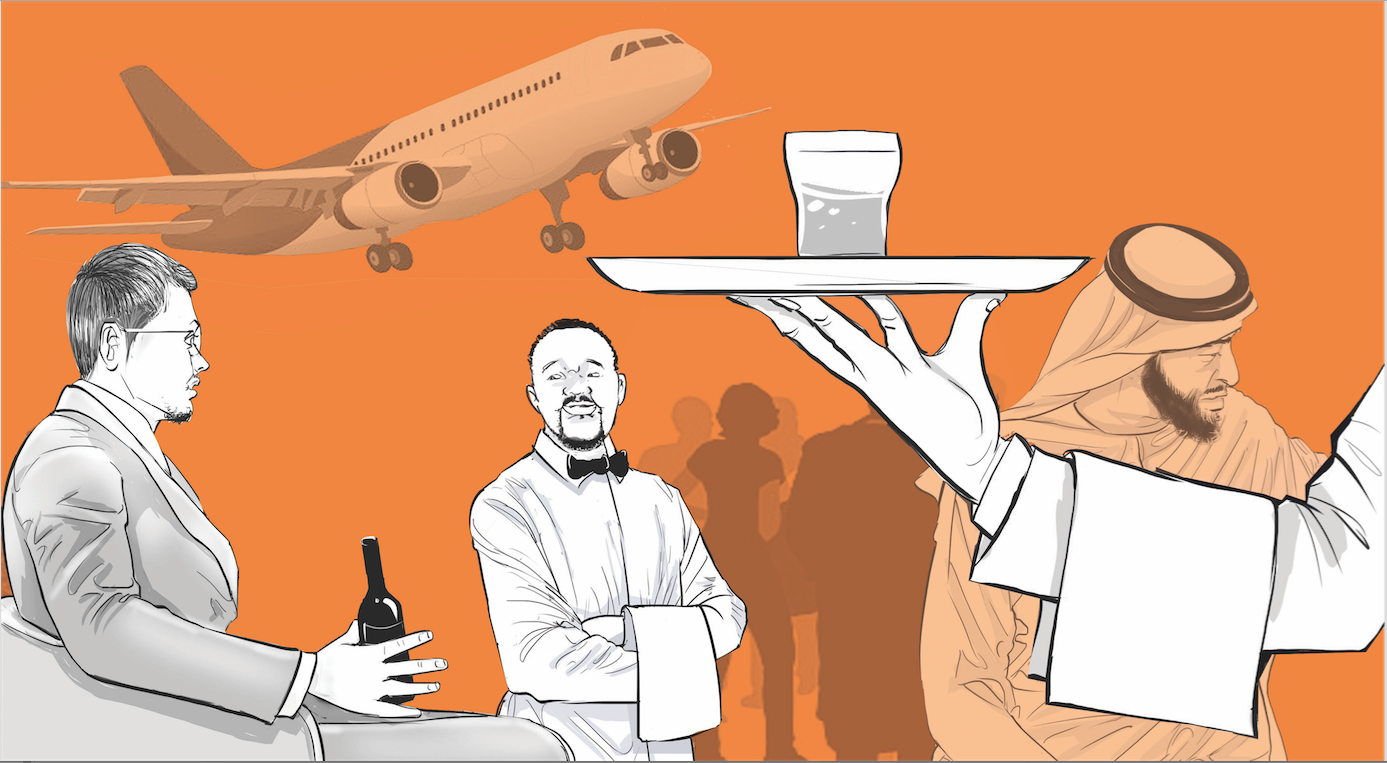
Hospitality
answers that question with a paradox: the more software shapes the back end of
travel, dining and lodging, the more the front end—the moment-to-moment
choreography of care—matters.
AI now predicts demand, optimises pricing, streamlines
check-ins and spots maintenance issues before they spiral. But no model can
reproduce the improvisational grace of a maître d’ calming a delayed guest, the
narrative power of a guide, or a chef who composes a dish that feels like home
and adventure at once.
Even
global forecasts, bullish on automation, concede a truth: technology
accelerates task automation, not human connection. The World Economic Forum’s
Future of Jobs report expects automation to touch 42 per cent of business tasks by
2027—heavy on data, far lighter on empathy, judgment and creative
problem-solving.
Kenya
is not waiting for theory. The industry is expanding. International arrivals
reached 2.4 million in 2024—up 15 per cent on 2023—and visitor days rose to 18.6
million, showing people are staying longer and spending more. The draft
National Tourism Strategy targets 5 million international visitors, Sh1.2
trillion in earnings and 2.5 million tourism-related jobs by 2030, with
215,000 accredited beds nationwide.
This
is not a post-pandemic sugar high. The World Travel & Tourism Council
projects Kenya’s sector will contribute a record Sh1.2 trillion in 2025,
surpassing pre-Covid peaks. Globally, travel is set to support hundreds of
millions of jobs and a double-digit share of world GDP. Demand is diversifying
across Mt Kenya, Rift Valley, Nyanza, Western and Northern circuits. Domestic
travel is maturing and accreditation is lifting standards across counties.
So
what needs to change in how we talk about and prepare for hospitality work?
Retire
the “fallback career” myth. When we describe hospitality as merely “service”, we erase the sophisticated blend of logistics, psychology, design and
technology it requires.
A hotel operations lead is part behavioural scientist,
part systems engineer. A chef is a product developer with P&L
accountability. A tour operator is an experience designer, data-literate and
brand-minded. The skills travel.
Prioritise
craft-plus-code. The winning graduate is not the one who can just pipe a perfect
choux; it’s the one who can run a kitchen and read a dashboard, pair knife
skills with revenue management, sustainability metrics and CRM
personalisation. Employers should be clear: “We automate the repetitive so
people can deliver the remarkable.” Training should mix apprenticeships with
analytics, POS systems, guest-journey mapping and AI-assisted service
recovery.
Build
dignity into the model. A growth story that relies on precarious wages is a
dead end. To retain Kenyan talent at home or abroad, we need career ladders
from entry-level to management, skills passports that travel across borders,
and benefits that treat front-line professionals as core assets. This is not
charity—it’s risk management. High turnover is expensive, and in hospitality,
culture is quality.
Stop
treating TVET like Plan B. Parents: ask colleges how many hours your child will
spend in real operations, what percentage of graduates are placed, and which
hotels sign their MoUs. Students: interrogate curricula. Does it include
guest-experience design, sustainability, local sourcing or coding for
analytics? Policymakers: fund what works—industry-embedded diplomas with fast
time-to-employment. KUCCPS’ shift toward diplomas isn’t a downgrade; it’s
market intelligence.
Treat
hospitality as a strategic export. We obsess over tea, horticulture and ICT.
Why not “export” hospitality talent and Kenyan experiences with equal intent?
Create pathways for placements on cruise lines and in resort chains. Back
Kenyan culinary brands that carry our ingredients, stories and standards into
African capitals and beyond. When a guest says “the service felt Kenyan”, that’s soft power and recurring revenue.
The
AI panic obscures this opportunity. Automation will march through repetitive
tasks, but that’s the point: when machines handle the boring parts, human time
becomes more valuable. The hotels and restaurants that win will combine
operational efficiency with the small, unscripted gestures people remember long
after checkout. Kenya can be a global laboratory for that model.
Policy
must follow through. Nairobi should accelerate accreditation and
star-classification across counties; tie incentives to training outcomes and
wage progression; fast-track visas and recognition for hospitality
qualifications; and invest in destination development beyond the coast to
spread earnings and reduce over-tourism. The strategies are written. It’s time
to execute.
Young
Kenyans, here is the wager worth making: in an algorithmic age, choose the
careers that prize what only humans do well. Curate, empathise, delight, lead.
If you bring skill and imagination to hospitality, AI won’t take your job. It
will make your job—and your impact—bigger.
Head of Business, Boma International Hospitality College