When Douglas
Kendyson went to university, he had a dream of becoming a civil
engineer. However, while studying civil
engineering, which he
completed but never practiced, Kendyson discovered a passion for
building not just physical structures but digital ones — products, platforms and
tools that could impact millions.
He learned how to code, built small
applications and
joined tech communities, eventually deciding to pivot fully into software
engineering.
This bold move led him down a path of
innovation and entrepreneurship, culminating in the founding of Selar, a platform empowering creators and
digital entrepreneurs across Africa to sell their products with ease. Kendyson's journey is a
testament to how following curiosity and adapting to change can lead to
unexpected, impactful careers.
Started in 2016 while he held full-time
jobs at companies like Paystack and Flutterwave, Kendyson took a leap of faith
in 2020 to focus on growing the platform, a gamble that paid off for the
Nigerian-born entrepreneur.
Selar is currently Africa’s largest
creator platform for digital creators and it is building roots in Kenya. In the
past year, Selar facilitated over Sh1.3 billion in payments to African
creators. This
impressive achievement comes from Selar’s over one million registered users and
over three hundred thousand creators across 15 African countries.
The African creator economy is booming,
and Kendyson believes he is at the forefront of this growth. According to
market intelligence company Coherent MI, the market size of Africa’s creative
economy was estimated at $3.08 billion (Sh397.9 billion) in 2023 and is
projected to reach $17.84 billion (Sh2.3 trillion) by 2030, growing at a
compound annual growth rate (CAGR) of 28.5 per cent.
The creative economy refers to the class
of entrepreneurs, artists, influencers, bloggers and other content creators who
leverage online platforms to earn income through their creative skills and
talents.
The Star spoke to Kendyson
on his personal journey and the future of the creator space as he eyes East
Africa with Kenya as the launch pad.
Who is Douglas Kendyson?
I am a Nigerian
entrepreneur, fintech professional and the founder and CEO of Selar, Africa’s
largest creator platform. My background is in software engineering and
financial technology, with prior experience at Flutterwave and Paystack. Today,
I am focused on empowering African creators and entrepreneurs to build
sustainable digital businesses.
What was your childhood dream and did it come
true?
I wanted to be a
civil engineer because I loved buildings and wanted to be able to build very
nice buildings. I went ahead to study civil engineering because of that dream,
but by my fourth year in university, I realised being a civil engineer required
me to be under the sun all the time and I really hate that, plus I got into
software around the time, so I finished getting my degree but never practiced….haha.
From a civil engineering student to a
software engineer, tell us about it?
It is a long story,
but the short version is, I loved the power to create stuff, building software
gave so I started learning how to write code in my third year of uni, and by
the time I learned so much, I enjoyed software way too much and enjoyed the
money even more, so I never looked back. I also kept thinking about the
potential earnings in each career path. As a software engineer, I figured it
might take around three to four years of intense work to reach the level of
financial freedom I wanted. In contrast, with civil engineering, the journey
felt much longer—maybe 10–15 years….an exaggeration, but that is how it seemed
to me.
What inspired you to start Selar and what
exactly does it do?
I realised many Africans had knowledge and
skills they wanted to share, but they lacked the right tools to sell them
online and get paid easily. When I was with Paystack, we had a lot of customers
asking for a simple way to sell digital products but at the time, it was not a
thing. Selar was born to solve that. It
is an online store builder that enables anyone to sell digital products like
ebooks, courses, memberships, tickets for African creators and receive payments globally.
How
did you start the platform?
In 2016, I began working on Selar as a side
project, initially for digital products. Over time, as we listened to creators,
we kept adding more features like affiliate marketing, ticketing, coaching
programme management until it evolved into the platform it is today.
Is it available to everyone? What is the
reach?
Yes, Selar is
available to anyone who wants to sell digital products or services. Today, we
have over two million registered users across Africa and have paid out over $10
million (Sh1.3 billion ) to creators in Nigeria, Ghana, Kenya and beyond.
Why East Africa and Kenya as the entry point?
Kenya has one of the
most vibrant digital economies in Africa, with a strong mobile money culture.
It is a natural fit for Selar because our platform thrives where digital
payments are widely adopted. Expanding here is a step towards our Pan-African
dream.
Any challenges so far?
Like most startups,
we have faced challenges ranging from building trust in a new digital system to
navigating different payment landscapes across Africa. But each challenge has
strengthened our resolve to create better solutions for creators.
What is your dream for Selar?
My dream is for Selar
to become the go-to platform for digital entrepreneurship in Africa and to see
millions of Africans achieve financial independence through the creator
economy. Also, for Selar to be synonymous with digital products in Africa.
What is your take on Kenya’s e-commerce
space?
Kenya is already one
of the largest markets on Selar, with thousands of creators actively selling
eBooks, courses, and tickets to events. This shows the appetite and readiness
of Kenyans to embrace digital entrepreneurship and we are excited to keep
supporting that growth with more localised tools and solutions.
How
best can content creators protect and monetise their work?
That is exactly why
we built Selar - to give creators an easy way to turn their ideas, skills and
content into income. Whether you’re selling an ebook, launching a course, or
even hosting events, Selar helps you monetise directly while keeping your work
secure. We have also built lots of systems to protect the creator’s work from
theft and piracy.
How do you plan to support local creators
with meaningful solutions?
We have built
solutions and are still building more tailored to African creators. We are constantly
improving, adding tools, expanding payment options and listening to feedback
from the community. For us, it is not just about giving creators a platform, it
is about making sure they have everything they need to grow, earn and thrive in
their own space.
Tell us about your digital payment solutions?
We make it seamless
for creators to get paid in multiple currencies whether it is Naira, Cedis, Shillings,
Dollars, we support 14 currencies today. This flexibility allows them to reach
global audiences without worrying about payment barriers.
What challenges do African entrepreneurs face
and how can they overcome them?
Payment
infrastructure, limited access to global markets and lack of trust in digital
systems are major hurdles.
What is the achievement so far?
We have grown from an
idea in 2016 to Africa’s largest creator platform, with over two million users
and $10 million paid out to creators. That impact, for me, is our biggest
achievement.
How has Selar impacted creators?
Creators now have
access to tools that make them truly global. We have helped writers, coaches,
event organisers and educators scale their businesses and earn income without
borders.
What do you feel is your contribution to the
digital economy?
Through Selar, I have
contributed to democratising digital entrepreneurship in Africa making it
possible for anyone with knowledge to build a business online in less than five
minutes.
What makes you different?
I believe what sets
me apart is my focus on real problems. Selar is not just about building a
product, it is about creating tools that actually empower people to earn a
living.
Where do you see the company in the next five
to 10 years?
In the next five to 10 years, I see Selar
expanding into every African market, enabling millions more to build thriving
digital businesses and positioning Africa as a global hub for creators.
If you were to do something differently, what
would it be?
Looking back, I would
have not spent a lot of time doubting if this would work. The demand for
creator tools has always been there and I would have enjoyed the journey more
if I had 100 per cent confidence this would work.

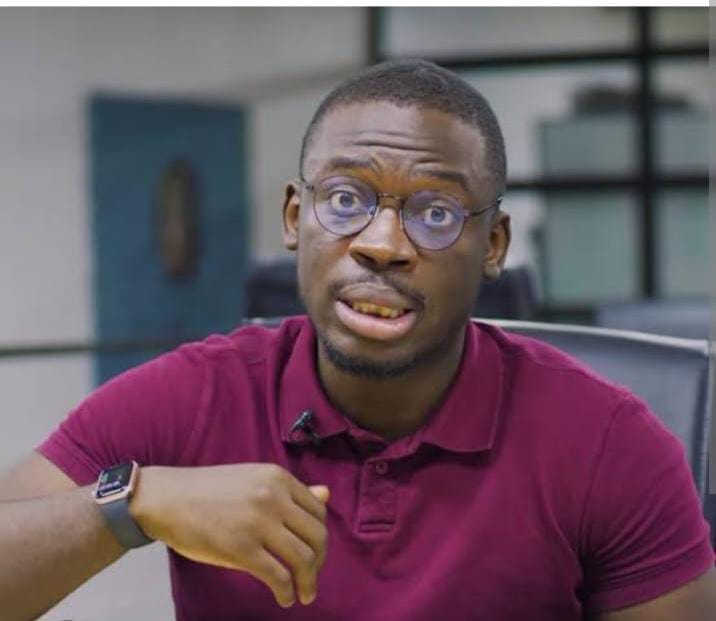 Douglas
Kendyson, a
Nigerian
entrepreneur,
fintech professional, and founder of
Selar, Africa’s
largest creator
platform/
HANDOUT
Douglas
Kendyson, a
Nigerian
entrepreneur,
fintech professional, and founder of
Selar, Africa’s
largest creator
platform/
HANDOUT