Tuesday's Saba Saba
commemorations once again exposed the growing economic cost of recurrent
protests and heavy security restrictions.
The day was characterised by
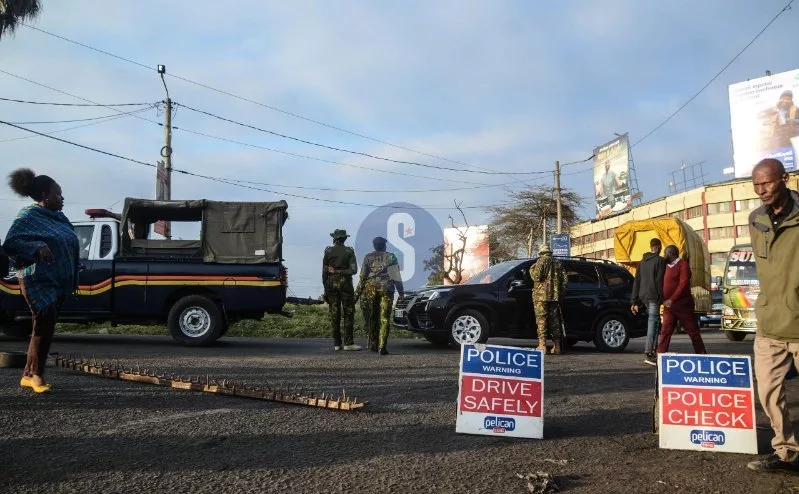
deserted streets, shuttered businesses, and suspended transport services and
police roadblocks bringing much of Nairobi and several major towns to a
standstill.
Business leaders in the country
are concerned.
For instance, the Federation of
Kenya Employers (FKE) estimates that Kenya loses between Sh40 billion and Sh50 billion every
time nationwide protests paralyse economic activity, as businesses close their
doors, workers fail to report to work and supply chains grind to a halt.
On Tuesday, the employers' lobby
said that while political demonstrations remain a constitutional right, the
manner in which they have evolved has become one of the biggest drags on
productivity and investor confidence.
Speaking to journalists, FKE executive director Jacqueline Mugo said every day businesses remain closed translates into irreversible loss of man-hours, reduced productivity and economic output.
“Although Kenyans have a constitutional right to demonstrate peacefully, businesses must equally be allowed to operate without disruption, ’she said.
The remarks came as security agencies mounted extensive roadblocks on major highways leading into Nairobi, severely restricting the movement of workers, cargo and public transport.
Across the capital, shopping malls, banks, supermarkets, restaurants and thousands of small businesses remained closed as employers prioritised employee safety amid fears of unrest.
For an economy already battling slowing job creation, elevated public debt and weak consumer spending, economists say repeated disruptions are compounding the country's productivity challenge.
The Kenya National Chambers of Commerce and Industry (KNCCI) agrees with FKE’s assertions.
The business lobby says that disruptions threaten economic growth and undermine business confidence, urging stakeholders to ensure enterprises continue operating without unnecessary interruptions.
According to KNCCI president Erick Rutto, the country is losing more than 30 per cent of productivity due to protests, further straining shrinking revenues for families, businesses and the government.
Luke Olum was forced to close his barbershop, a situation that not only denied him revenue but also locked out six of his employees who rely on the job to meet daily expenses.
It is not easy. Frequent protests and shrinking spending power among customers has seen Olum cut his staff since June 2024.
“The business was thriving. I had a barber shop and a massage parlour, employing close to 15 people. I have massively cut on employees to survive in this tough economy,’’ he told the Star.
National data on job creation resonates with Olum’s situation.
Kenya's formal sector created just 75,500 jobs in 2024, down from 123,000 a year earlier, according to data cited by FKE.
Yet between 800,000 and 1.2 million young people enter the labour market every year, leaving employers under pressure to expand hiring in an increasingly uncertain operating environment.
Beyond lost retail sales, protests trigger ripple effects across manufacturing, logistics, financial services and exports.
The Kenya Association of Manufacturers (KAM) says that factories frequently suspend production as workers fail to reach industrial areas.
“Transporters delay cargo movement because of blocked highways and insecurity. Perishable agricultural produce remains stranded, while importers incur higher storage charges as cargo misses collection schedules, a top official at KAM told the Star.
He added that the disruption extends well beyond the protest day itself.
“Our members often require several days to restore production schedules after interrupted supply deliveries, while retailers struggle to recover lost sales because most purchases postponed during shutdowns are never fully recouped.”
Speaking on behalf of the financial sector, the Kenya Bankers Association (KBA) said that the sector experiences lower transaction volumes as branches close and digital payment activity slows.
Economist Jared Amendi says that repeated interruptions also raise operating costs as firms continue paying rent, salaries, utilities, insurance and loan obligations despite generating little or no revenue during closures.
The productivity losses come at
a time when Kenya is already grappling with an increasingly challenging
business environment.
The International Monetary Fund lowered Kenya's 2026 growth forecast to 4.5 per cent, down from 4.9 per cent previously, reflecting a tougher external environment and a more fragile domestic inflation outlook.
Generally, the private sector lobby groups warned that rising statutory deductions, policy unpredictability and increasing operating costs are eroding Kenya's competitiveness relative to regional peers and discouraging investment.
In supporting them, Amendi says that foreign investors generally favour predictable markets where labour mobility, logistics and commercial operations remain uninterrupted.
“Recurrent protests, coupled with precautionary business shutdowns and transport paralysis, increase the perceived risk of doing business and may delay investment decisions.”
He adds that the impact is especially severe for small and medium-sized enterprises, many of which operate on thin cash flows and depend on daily sales to meet payroll and supplier obligations.
“A single day of closure can wipe out weekly earnings for informal traders, restaurants, transport operators and neighbourhood retailers.”