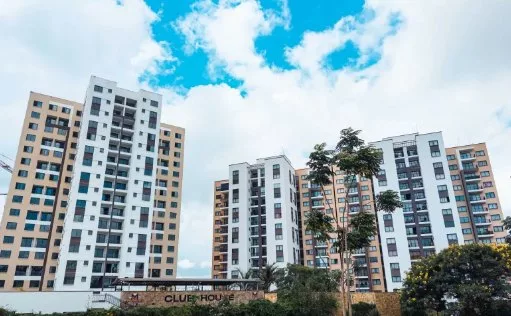
As Nairobi grows more congested and green spaces become scarcer, Kenya's middle-class homebuyers are increasingly looking beyond the size of an apartment and placing greater value on the quality of the neighbourhood surrounding it.
Property developers say amenities such as parks, walking trails, playgrounds, retail centres and recreational facilities are becoming major selling points, reflecting a shift in buyer preferences from simply owning a home to investing in an integrated lifestyle.
For years, the Kenyan property market was defined by size. However, a convergence of factors—including shrinking disposable incomes and a growing awareness of urban living challenges, has recalibrated buyer priorities.
A recent Kenya Bankers Association study shows that the dominance of apartment sales is shrinking in favour of bungalows, driven by "price sensitivity and changing household preferences.
"When you buy within this kind of development, you're not just buying your four walls... you're owning part of a bigger community where you can predict how it will look 20 years from now," said Mi Vida Homes Chief Executive Samuel Kariuki.
Urban planning experts say the shift mirrors the challenges facing Nairobi as rapid urbanisation places pressure on infrastructure and public spaces.
With many neighbourhoods becoming denser and losing open areas, developers are competing by preserving green spaces and integrating amenities into new housing projects.
Such developments are increasingly attracting professionals and families seeking shorter commutes and improved quality of life.
The trend comes as Mi Vida Homes handed over 120 apartments at its Amaiya development within Garden City on Thika Road, with the company arguing that buyers are increasingly seeking master-planned communities that combine residential, commercial and leisure facilities.
The focus on lifestyle is also reshaping competition among developers. Rather than relying solely on apartment sizes or pricing, firms are differentiating projects through landscaped gardens, clubhouses, gyms, children's play areas and walkable environments.
The Amaiya project forms part of a larger 513-unit development with an estimated gross development value of Sh8.9 billion.
Mi Vida has already opened sales for another 264 homes in subsequent phases, signalling continued confidence in demand for integrated residential developments despite broader economic pressures.
Large mixed-use projects are also becoming significant economic drivers. According to the developer, construction of the latest phase employed more than 450 workers at its peak while sourcing materials from local manufacturers and suppliers, supporting businesses across the construction value chain.
The growing popularity of integrated developments reflects wider changes in Kenya's residential property market, where buyers are increasingly weighing factors such as convenience, safety, access to green spaces and long-term neighbourhood planning alongside affordability.