Shift in property market as tenants now prioritise sustainability over space
Smart buildings, sustainable and energy-efficient buildings, also rank high on the list
by JACKTONE LAWI
Audio By Vocalize
Homeowners and tenants in Kenya are now pushing
landlords, developers and agents to the edge with changing demands and preferences.
Players in the real estate sector now says tenants—both
commercial and residential—are increasingly prioritising functionality,
environmental consciousness, and long-term cost savings over mere square
footage.
Other issues such as smart buildings, sustainable and
energy-efficient buildings also rank high on the list.
An estimated over 90 per cent of Kenya’s High-Net-Worth
Individuals have embraced green thinking in the properties they invest in,
according to the 2024 Knight Frank’s attitudes survey.
"Today’s renters are demanding functionality,
sustainability, and cost efficiency," said Peter Njenga, a real estate
agent in Nairobi. "One of the first questions clients ask now is about
energy-saving features and utility efficiency in a building."
According to Njenga, traditionally designed buildings that
fail to incorporate modern amenities and green technologies are being left behind,
as tenants gravitate towards spaces that align with current business and
lifestyle expectations.
Smart infrastructure such as high-speed internet, intelligent
access control systems, automated climate regulation, and energy-efficient
elevators are becoming essential in new developments.
In addition, sustainable features like solar panels, rainwater
harvesting, water recycling, and the use of eco-conscious construction
materials are no longer optional—they’re expected.
“The market is moving towards smarter, greener, and more
connected living and working spaces,” Njenga noted. “Buildings that don’t keep
up risk becoming obsolete.”
Developers, in turn, are being forced to adapt. Several new
projects now advertise solar power systems, borehole water, fibre-optic
internet, and smart home integrations to stay competitive. Some developers are
even involving buyers earlier in the design process to meet customised preferences.
“These results confirm Kenya’s HNWIs have surpassed the global
average of including green priorities in their investment portfolios. They also
align with Kenya’s leadership position in renewable energy and its focus on the
importance of building certifications,” said Knight Frank CEO Knight Frank
Kenya Mark Dunford, during the launch of the report.
Founder and Principal of Urban Green Consultants Amrish Shah, -
a leading sustainability consultancy in Kenya specialising in high performing
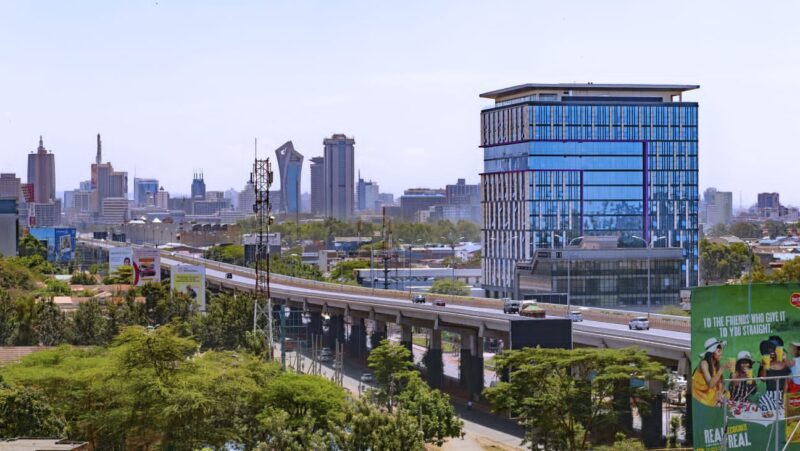
buildings, new buildings such as the Purple Tower, a 14 flour development along
Mombasa Road, are now cutting energy consumption by up to 27 per cent.
Shah maintains that businesses are becoming increasingly aware
of their environmental footprint and are seeking office spaces that reflect
their corporate sustainability goals.
“Companies are no longer just looking for buildings—they’re
looking for environments that support their values,” Shah said. “Green buildings
not only reduce operating costs but also enhance employee well-being and
corporate reputation.”
With Nairobi’s middle- and high-income neighbourhoods now
dotted with buildings that prioritise green technology and digital integration,
the trend is expected to accelerate across the country.
Experts believe that in the near future, smart and green features
will be a baseline requirement for any serious development project in Kenya’s
property market.
This is premium content
Subscribe to Continue Reading
Help us continue bringing you unbiased news, in-depth investigations, and diverse perspectives. Your subscription keeps our mission alive and empowers us to provide high-quality, trustworthy journalism. Join us today to make a difference!







![[PHOTOS] Elderly brave cold to vote in Ol Kalou](https://cdn.radioafrica.digital/image/2026/07/d2345b9e-578f-45ff-9bb0-d7819671c165.webp)


![[PHOTOS] Ol Kalou residents turn out in large numbers to vote](https://cdn.radioafrica.digital/image/2026/07/fe42d51c-7f79-466e-94e8-59561f77bbe7.webp)