

Kenya’s national boxing team, the Hit Squad, departed for Dubai on Tuesday evening, setting their sights on the 2025 IBA World Boxing Championships with a steady, controlled expectation.
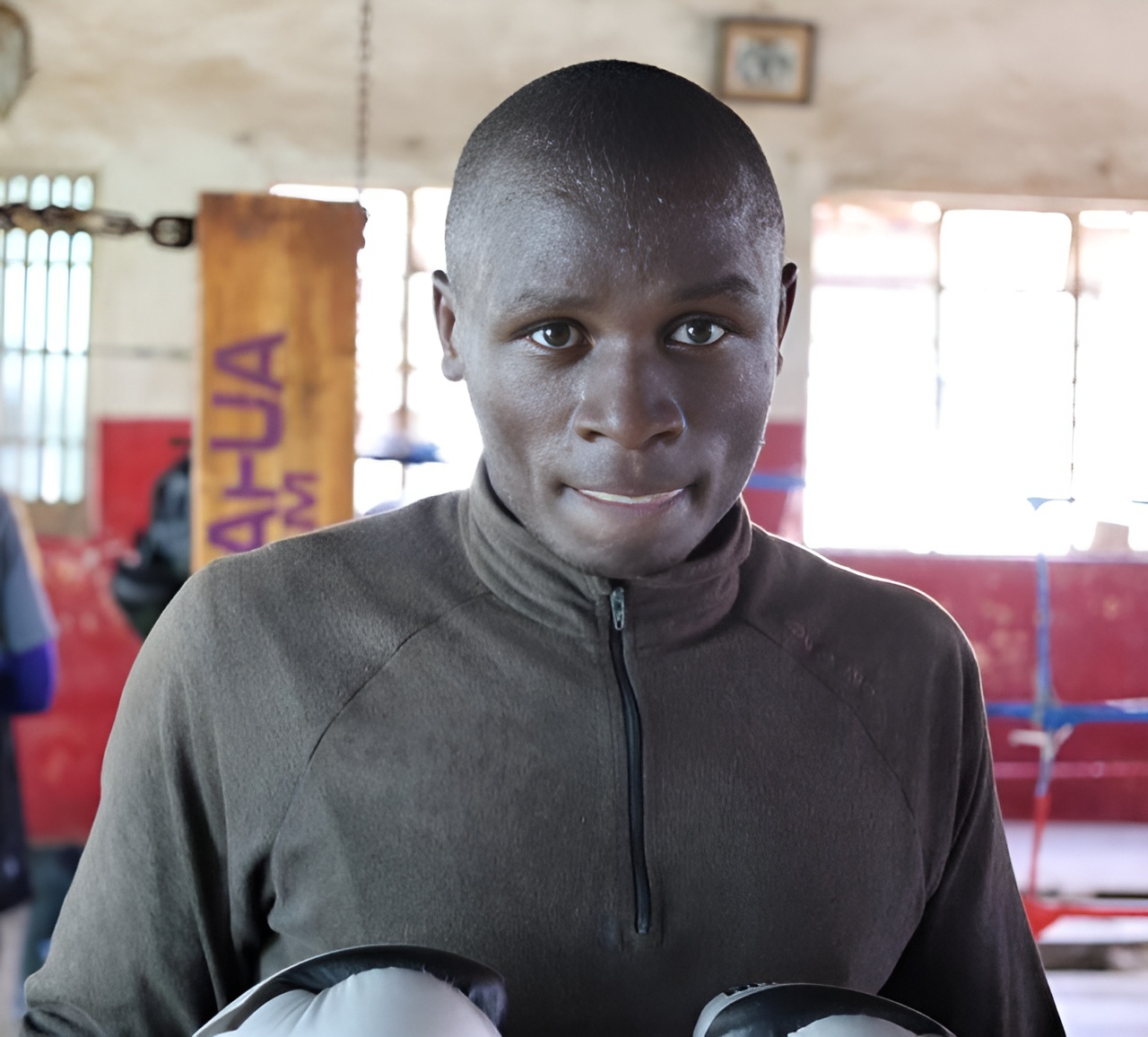
But for the freshly minted light welterweight sensation Caleb Wandera, the stakes are sharply personal. Wandera, 24, boarded the plane with a small bag, a new passport, and the sense that a life which once moved in inches is now moving in strides.
“I want to see how my style holds up under real pressure,” he said. “If I get tested, that’s good. It tells me exactly where I must grow.”
His ascent has been so swift that it has rattled the slow-moving machinery of Kenyan boxing. In the back corners of gyms and federation corridors, the talk is the same: Wandera is raw, inexperienced, a name picked ahead of time.
He has heard it all—the whispers behind tape-wrapped hands, the lingering looks that say he is gate-crashing a room reserved for others.
“People still see me as the newcomer,” he said. “Dubai is where I show I’m not here by luck.”
Wandera approaches the tournament with realism, not bravado. He knows the draw will be brutal, that the margins at this level are microscopic, and that one lapse can undo months of work.
But he also believes that a fighter who shrinks from a challenge has no business wearing national colours.
“I’m not promising medals, but I’m promising a fight. I want people to say, ‘That kid from Kenya came to compete.’”
For Wandera, the 2028 Los Angeles Olympics are more than a dream; they are a destination that defines his ambition.
“Every boxer wants the Olympics,” Wandera said. “For me, it’s the highest stage for proving you belong.” “Dubai will show me what I must fix,” he noted. “Whatever I learn here, I’ll use to chase that Olympic ticket.”
Until a few months ago, Wandera was another determined face in Nakuru, shading his days between small jobs and the ring.
He washed cars, carried crates at the market, and hoped about—any bout—would appear before the month ran thin. He fought when called, trained when he could, and held the dream the way many fighters do: privately.
His fortunes shifted at Flamingo Boxing Club, a room of peeling walls and hard lessons. The coaches there speak of a young man who listened more than he talked, who moved lightly on his feet and absorbed the blows without complaint. Two knockout wins over KDF’s Pius Macharia confirmed he was ready for something bigger.
When he beat Wiseman Kavondo on points during the National Boxing League’s Nakuru round, the national coach, Benjamin Musa, took notice.
Wandera was summoned to Nairobi for the Africa Zone 3 Championships. He returned with a bronze medal—and a new sense of place.
He moved to Umoja Estate soon after, aided by the Boxing Federation of Kenya, which paid his rent so he could train without worry. “Relocating to Nairobi changed everything,” he said. “For once, I could focus.”
Within weeks, the Kenya Police offered him a position—steady income, stability, a future. It felt like a door opening onto an entirely different world. “Now I can support my family,” he said. “That’s the biggest victory.”
Wandera is the eldest of five. His father died earlier this year, and the responsibility of holding the family together slipped naturally onto his shoulders.
The call-up, the job, the bronze medal—each moment was received at home with quiet relief.
In the gym, he is known for discipline: compact movement, sharp jabs, a willingness to repeat drills long after the session should have ended.
The realities of Dubai will be harsh. The field is heavy with seasoned professionals; the margins for error are tight. But Wandera carries the composure of someone who has lived through harder days.