

 Dr.
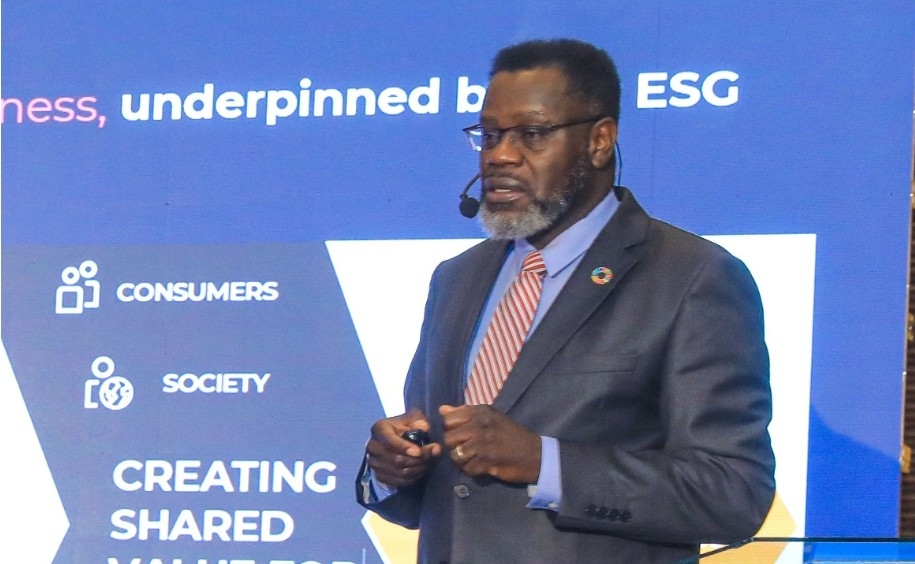
Calvin Solomon Onyango is the CEO of The Donkey Sanctuary Kenya./HANDOUT
Dr.
Calvin Solomon Onyango is the CEO of The Donkey Sanctuary Kenya./HANDOUT
Donkeys are facing an
existential crisis. Across Africa and Kenya, the unsustainable and global trade
in donkey skins, driven by demand for the traditional Chinese medicine ejiao, is
devastating populations and the communities who rely on them for their daily
social economic and cultural activities.
In a recent survey in Kenya
alone, up to 97 per cent of donkey owners have experienced donkey theft. This brutal
trade is not just pushing donkeys toward extinction; it is destroying the
livelihoods of the people who rely on them for their very survival.
Generation after generation, donkeys have been the backbone of rural economies. These gentle and intelligent animals transport goods to market, carry water and firewood, and give families the opportunity to generate a modest income and send their children to school. For many women, a donkey is a lifeline, a partner in the daily struggle to provide for their families.
Donkeys are intelligent, sensitive animals who form
deep bonds with their human co-workers. Yet the global trade which demands 5.9
million donkey skins for the production of ejiao each year, regards them as
commodities, leaving them vulnerable to theft, cruelty, and inhumane slaughter.
The donkey skin trade is an
animal welfare disaster. Donkeys are taken from their homes and communities,
often forced to walk long distances or transported in appalling conditions
across borders, before being killed inhumanely. The few donkeys that remain are
overburdened to a breaking point. And it is not just the donkeys who suffer; it
is humanity.
The
Human Cost of the Skin Trade
When a donkey is stolen, a
family's future is stolen with it, as many cannot afford to replace them when
they are gone. The consequences are devastating. Children, most often girls,
are taken out of school to do the labour their donkey once provided. Without
their loyal companion, women bear the physical and emotional burden of the work
their donkeys once shouldered.
This year, The Donkey Sanctuary published
results of an independent study by Maasai Mara University into the impact of
the skin trade. The findings exposed the scale of this tragedy across rural and
peri-urban communities in Kenya, providing evidence of families trapped in
cycles of poverty, hope extinguished, and futures stolen.
The
Time to Act Is Now
In its current Strategic Plan, the
Donkey Sanctuary Kenya has renewed our commitment and will intensify efforts to
end the suffering caused by the skin trade and to protect donkeys and the
communities that rely on them. But we cannot do it alone. We need partners and
allies to join us in standing against this brutal trade.
Progress is being made. In 2024,
the African Union Heads of State agreed to a continent-wide moratorium on the
slaughter of donkeys for their skin.
We call on governments, policymakers, and law enforcement agencies to honour this commitment by implementing robust measures to stop this terrible trade.
Kenya has already
shown leadership on this issue by banning commercial slaughter of donkeys and
also setting up the Rapid Response Initiative, which did curb most of the
illegal bush slaughter that was happening in Kenya, and now is the time for all
nations of Africa to do the same.
This week the East Africa Legislative Assembly will vote on a motion to legislate against the slaughter of donkeys for their skins in all member states.
It will be an investment in
the continent's future if they decide in favour of safeguarding one of Africa's
most precious resources.
Every one of us has a role to
play. We must raise awareness of the importance of donkey welfare, support
communities in protecting their animals, and speak up for those who have no
voice.
The donkeys have served us
faithfully for generations. Now it is our turn to stand up and fight for them.