

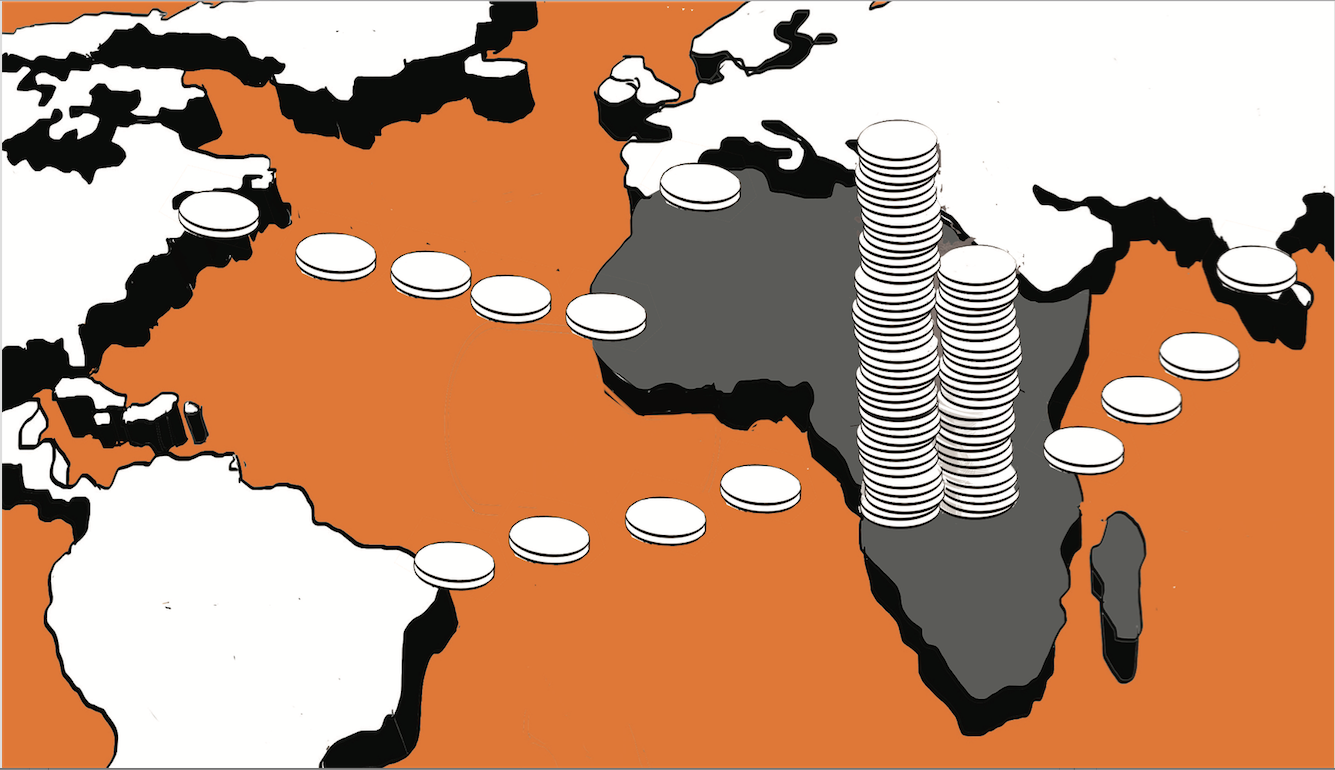
Despite its vibrant potential, Kenya’s economy falters. The pervasive presence of exclusive dealerships and distributorships in key growth and consumption sectors like telecommunications, automotive, pharmaceuticals, construction, and printing have stifled innovation, inflated prices, and fostered corruption, leading to economic stagnation and social inequities.
Drawing lessons from four landmark and historical cases, Kenya can reform its market structures to promote competition, innovation, and fairness, unlocking inclusive growth for its 50 million citizens, majority of whom struggle to make ends meet.
These four are the Pujo Committee Money Trust Investigation (1912–1913), the Standard Oil Case (1911), Microsoft Corp v Commission of the European Communities (2007), and the Lonrho Affair and DTI Investigation (1976).
Exclusive dealerships and distributorships, where single entities control the supply of specific products or brands, dominate Kenya’s economic landscape. In telecommunications, exclusive agreements and network infrastructure limits competitive services. In pharmaceuticals, exclusive distributorships for branded drugs restrict access to affordable generics, inflating prices.
The automotive sector sees giant franchise holders controlling supply chains. Construction materials, such as cement, and printing consumables, like toners, face similar monopolistic constraints, with politically connected firms often securing lucrative contracts through opaque processes.
These practices create monopolies, stifle innovation, inflate costs, and perpetuate corruption, exacerbating inequality and eroding trust in institutions.
The Pujo Committee’s 1912–1913 investigation into the US “Money Trust” exposed how a handful of bankers, led by JP Morgan & Co, controlled $22 billion (Sh2.8 trillion) in corporate assets through interlocking directorships, manipulating markets and restricting competition. The committee’s findings spurred reforms like the Clayton Antitrust Act (1914), emphasising the need for regulatory oversight.
The Kenyan context calls for strengthening the Competition Authority of Kenya to scrutinise exclusive agreements and dismantle interlocking networks of politically connected firms. For instance, regulating exclusive contracts or distributors’ pricing practices to promote market entry.
The 1911 Standard Oil case saw the US Supreme Court break up John D Rockefeller’s oil empire, which controlled 90 per cent of US refining through exclusive contracts and predatory pricing, into 34 companies under the Sherman Antitrust Act. This case highlights how monopolies inflate prices and stifle competition, akin to Kenya’s exclusive distributorships which keep costs high and limit affordable options for consumers.
The Kenyan context calls for enforcement of the Competition Act (2010) to break up monopolistic distributorships. For example, requiring industry giants to open distribution networks to counter unfair pricing.
In 2007, the European Court upheld a €497 million (Sh75.3 billion) fine against Microsoft for abusing its Windows dominance by bundling Media Player and withholding interoperability information, limiting competition.
In Kenya, fair market access in tech-heavy sectors must be mandated. Printing firms must not void warranties when compatible toners are used, nor should procuring entities include OEM (Original Equipment Manufacturer)-approvals in their tender documents. This will spur innovation and ensure affordable services for consumers.
The Lonrho Affair, culminating in the 1976 Department of Trade investigation, exposed how Lonrho’s conglomerate, operating in Kenya’s automotive, media and brewing sectors, used political connections and unethical practices like inflated invoices to maintain market dominance. The DTI report criticised Lonrho’s opaque governance and sanction-busting, highlighting neocolonial exploitation and corruption.
In the Kenyan context, this calls for combating political-business collusion and neocolonial influences by enforcing transparency in procurement. Regulating foreign-dominated distributorships in sectors like heavy equipment or agriculture can reduce corruption, dismantle cartels and promote local control, addressing skewed power structures.
These cases collectively underscore the dangers of concentrated market power, anti-competitive practices, and political collusion.
Exclusive dealerships contribute to economic stagnation by limiting local production and SME growth. For example, high drug prices due to exclusive pharmaceutical contracts harm healthcare access. Innovation is curtailed as global brands dominate, sidelining local R&D in printing and agriculture where indigenous seeds are a gold mine.
Unfair pricing, driven by monopolistic distributors, disproportionately affects Kenya’s poor, exacerbating inequality. Corruption, fuelled by politically connected firms securing exclusive contracts, as seen in construction and telecom, erodes trust and perpetuates patronage networks, undermining social cohesion.
Reforms can unlock significant benefits. Economically, dismantling exclusive agreements will boost SME growth, increase GDP contributions and create jobs. Research shows that SMEs employ more people than the dominant market players.
Socially, lower prices for goods like drugs, cement and telecom services will improve access for the majority of Kenyans living in poverty. Transparent procurement will weaken patronage networks, fostering trust in institutions and mitigating the social discord caused by corruption.
Lawi is a Social consciousness theorist, a corporate trainer & speaker, an agronomist consultant for golf courses and sportsfields, and author of 'The Gigantomachy of Samaismela' and 'The Trouble with Kenya: McKenzian Blueprint'