

How to stay consistent with exercise
Schedule workouts like appointments and stick to them.
6mon agoHillary BettInfographics
Think running up the stairs, power walking around the house, or playing with your children or pets.
In Summary

Audio By Vocalize
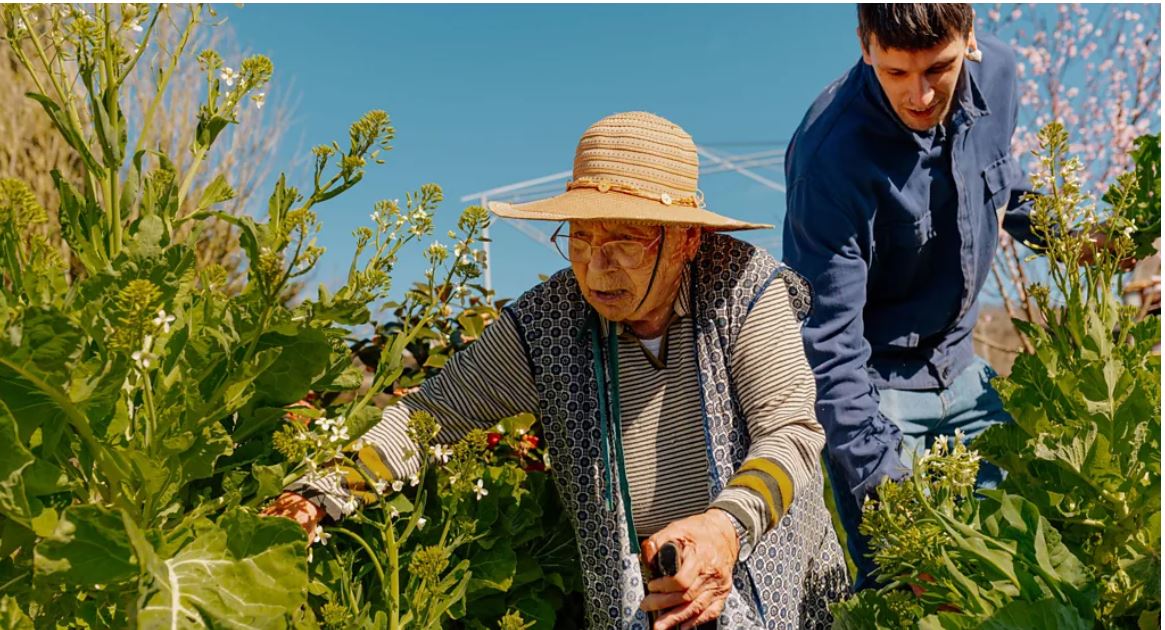
From running up stairs, to rigorous gardening: these everyday activities could boost your health and help you live longer.
Everyone knows that the key to a healthy long life is to exercise and eat well. But what if you simply don't have the time to slog it out at the gym, or chalk up 10,000 steps a day?
The good news is that doing everyday activities with more rigour and energy can achieve huge benefits.
Think running up the stairs, power walking around the house, or playing with your children or pets.
If you've followed exercise science in the last three years, you might have encountered a new term: vigorous intermittent lifestyle physical activity or VILPA.
Also described through the various monikers of "exercise snacking," "snacktivity," or "activity microbursts," it's the latest solution to a long-term problem – how best to coax the most reluctant of exercisers to sit less and move more?
In the past decade, high-intensity interval training (HIIT) – which involves pushing the body to its limits through brief explosive bursts of running, cycling and bodyweight exercises like squats or jumping jacks – has become a popular workout for more time-pressed gym goers.
It has also been shown to improve blood sugar control, cholesterol, blood pressure and body fat.
According to Mark Hamer, professor of sport and exercise medicine at University College London, VILPA is a scaled down form of HIIT.
It simply means doing everyday activities with slightly more gusto with the aim of raising your heart rate for one or two minutes at a time.
To their surprise, Hamer and colleagues discovered that these microbursts of movement were linked to health benefits.
In a 2022 study, using data from 25,241 people across the UK, Hamer and scientists at the University of Sydney found that just three or four one-minute bouts of VILPA each day was sufficient to provide a 40% reduction in the risk of premature death from all causes, and a 49% reduction in risk of death from cardiovascular disease, compared with people who did little movement at all.
A more recent study also concluded that just over four minutes of VILPA each day can offset some of the risks of a sedentary lifestyle for heart health.
"Through doing their daily activities in brief bursts of higher intensity, several times throughout the day, people can still attain health benefits to lower their risk of chronic diseases," says Matthew Ahmadi, a postdoctoral research fellow at the University of Sydney.
"It [VILPA] can also help stave off frailty which becomes very important as we age."
Ahmadi describes these findings as especially exciting, because research shows that the majority of UK adults over the age of 40 do not take part in regular exercise or sport, often due to time constraints or other barriers.
According to the World Health Organization (WHO), this reflects a worrying global trend where nearly 1.8 billion adults are at risk of disease because they don't do enough physical activity.
"We all know that physical activity is good for our health but many of us are not active enough," says Amanda Daley, professor of behavioural medicine at Loughborough University in the UK.
"There are lots of reasons, with the most common one being not having enough time. The micro exercise [or VILPA] approach to physical activity only requires a few minutes of people's time, a few times a day over a week, making it very easy, accessible and inexpensive."
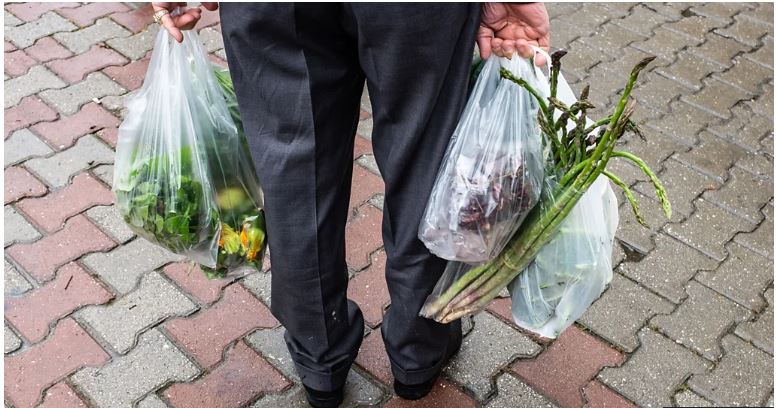
What VILPA shows is that simply tweaking your day so that you run for the bus, power walk around the house when doing errands, or carry out the housework or gardening with a bit more energy can make a significant difference when it comes to improving your health.
These are all everyday examples of VILPA, as is playing high-energy games with your children and pets.
"We have different opportunities to engage in moderate to vigorous activity and it doesn't necessarily have to be through [formal] exercise or specialised gym equipment," says Ahmadi.
"If you're going for a walk, mixing in brief bursts of fast-paced walking can be an easy way to accrue VILPA."
For instance, according to the NCD Alliance, an organisation which aims to address the steady rise of non-communicable or chronic diseases around the world, up to five million deaths per year could be averted if more of us were sufficiently active.
"Globally, our lifestyles are becoming much more sedentary," says Katie Dain, chief executive of the NCD Alliance.
"To put it bluntly, more of us are sitting in the office, while many of our cities are more designed for cars than humans."
Addressing this is not easy. Japan for example, is becoming an increasingly sedentary nation, and even hosting the Tokyo 2020 Olympics has seemingly made little difference, which is a concern for doctors like Ito.
"Being sedentary is one of the key cardiovascular risk factors, along with hypertension, smoking, and diabetes," he says.
As a result, researchers have sought to make exercise targets less intimidating. While most people are familiar with the 10,000 steps a day goal, newer scientific findings are showing that we can achieve health benefits with a far lower daily step count.
One of the largest step count studies so far found that 2,517-2,735 steps a day is enough to reduce your risk of cardiovascular disease by 11% compared to 2,000 daily steps, while another revealed that anything beyond 2,200 steps per day lowers a person's risk of heart disease and premature death.
"Something is better than nothing," says Rana Hinman, a professor in the University of Melbourne's department of physiotherapy.
"Even people with chronic joint pain from conditions such as osteoarthritis, who are often inactive, can gain benefits from small amounts of activity."
Performing activity microbursts is one way of achieving this.
For instance some research suggests that just three to four minutes of VILPA each day can reduce cancer risk by 17-18%.
One reason is likely to be related to the known anti-inflammatory effects of exercise. Inflammation is part of the body's natural immune response and helps us ward off illness, but too much is linked to conditions such as heart disease, type 2 diabetes and obesity.
Hamer also points out that the physiological process of muscle contractions drives an array of biochemical responses which are important for how our body metabolises fats and glucose.
"This is why any type of movement will have benefits for sedentary people, especially if they can raise their heart rate and stimulate the heart, lungs and circulation," he says.
We may know even more in the future. Researchers are now keen to examine whether 'exercise snacking' can help improve the health of people living with chronic diseases, who otherwise may find it hard to partake in structured exercise.
Hamer is also interested in whether encouraging people to do more microbursts of activity can serve as a starting point to help them build towards achieving 150 minutes of moderate physical activity per week – the gold standard for good health according to public health guidelines.
"If we can get the majority of the population to do some microbursts, this will be far more powerful than getting a few people to achieve the guidelines," says Hamer.
So if you're fretting about the fact you haven't been to the gym in a while, then perhaps consider a little VILPA.
Whether it's taking the stairs instead of the lift, upping your pace next time you walk to the shops, playing with the dog in the garden, or vacuuming with a little more vigour, there are all simple things we can do each day which could help us stay disease free and even live a little longer.
Schedule workouts like appointments and stick to them.
Any physical activity is better than none.