

Kenya’s widening wealth gap continues to expose deep inequalities, with new data highlighting the stark contrast between the country’s richest and the rest of the population.
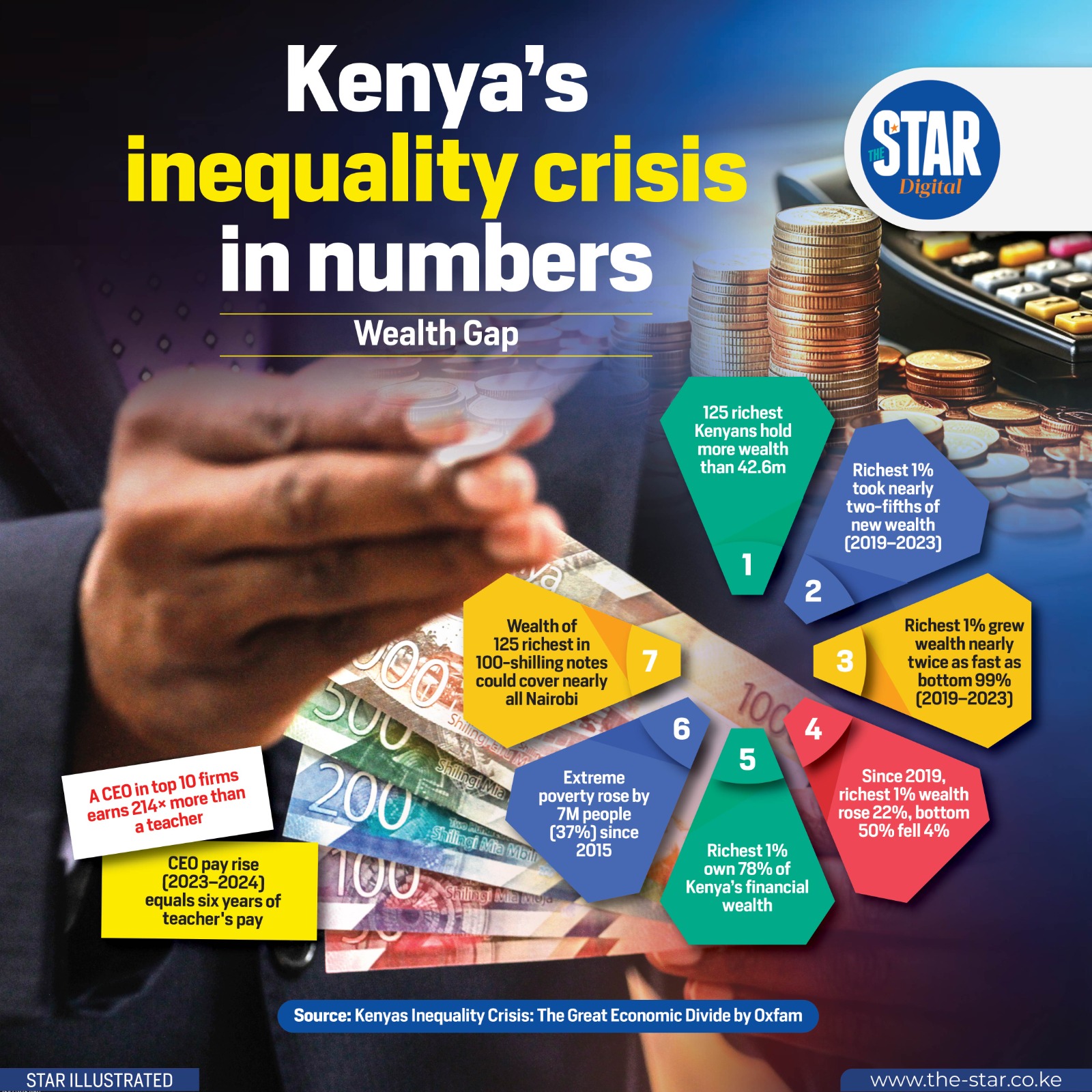
According to findings from Kenya’s Inequality Crisis: The Great Economic Divide by Oxfam, just 125 of the richest Kenyans now hold more wealth than 42.6 million people combined, underscoring how concentrated the country’s financial power has become.
The trend is driven largely by the explosive growth of wealth among the top 1 per cent. Between 2019 and 2023, Kenya’s richest 1 per cent captured nearly two-fifths of all new wealth, and their fortunes grew twice as fast as those of the bottom 99 per cent.
Over the same period, the richest 1 per cent increased their wealth share by 22 per cent, while the poorest half of the nation saw their wealth decline by 4 per cent.
Today, the top 1 per cent controls 78 per cent of Kenya’s financial wealth, reflecting an imbalance that continues to widen. This inequality is mirrored in income disparities, where a CEO in Kenya’s top companies earns 214 times more than a teacher, and the CEO's pay rise from 2023 to 2024 alone equals six years of a teacher’s earnings.
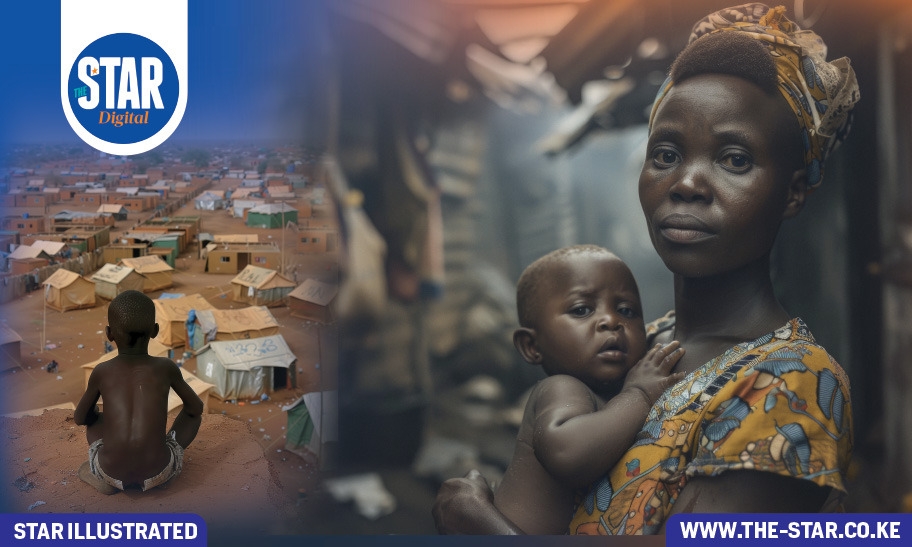
The human cost is equally significant. Extreme poverty in Kenya has risen sharply, with seven million more people, or 37 per cent, falling into severe hardship since 2015.
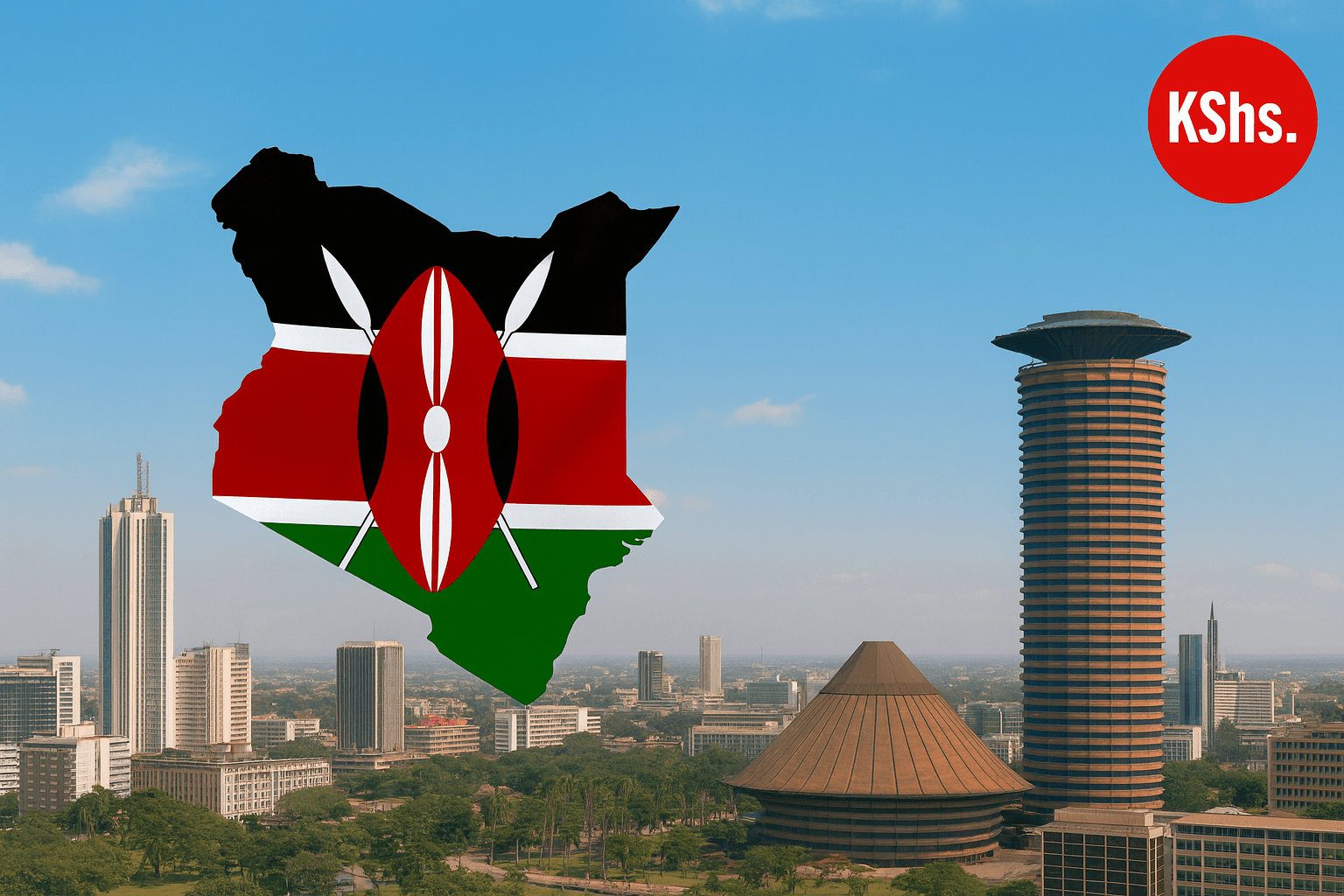
Meanwhile, the combined wealth of the country’s 125 richest individuals, if stacked in 100-shilling notes, could nearly cover all of Nairobi — a powerful illustration of Kenya’s growing economic divide.