

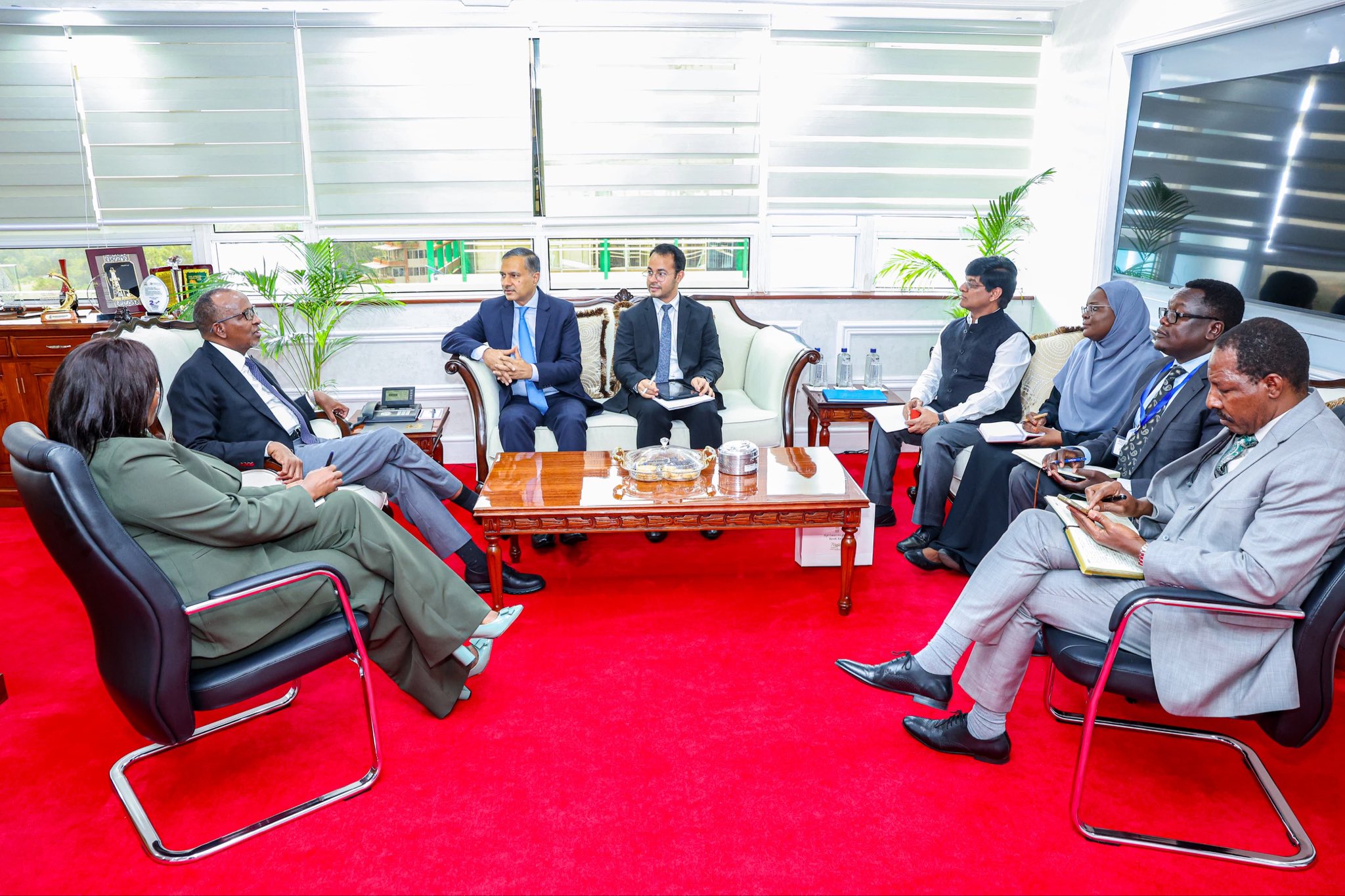
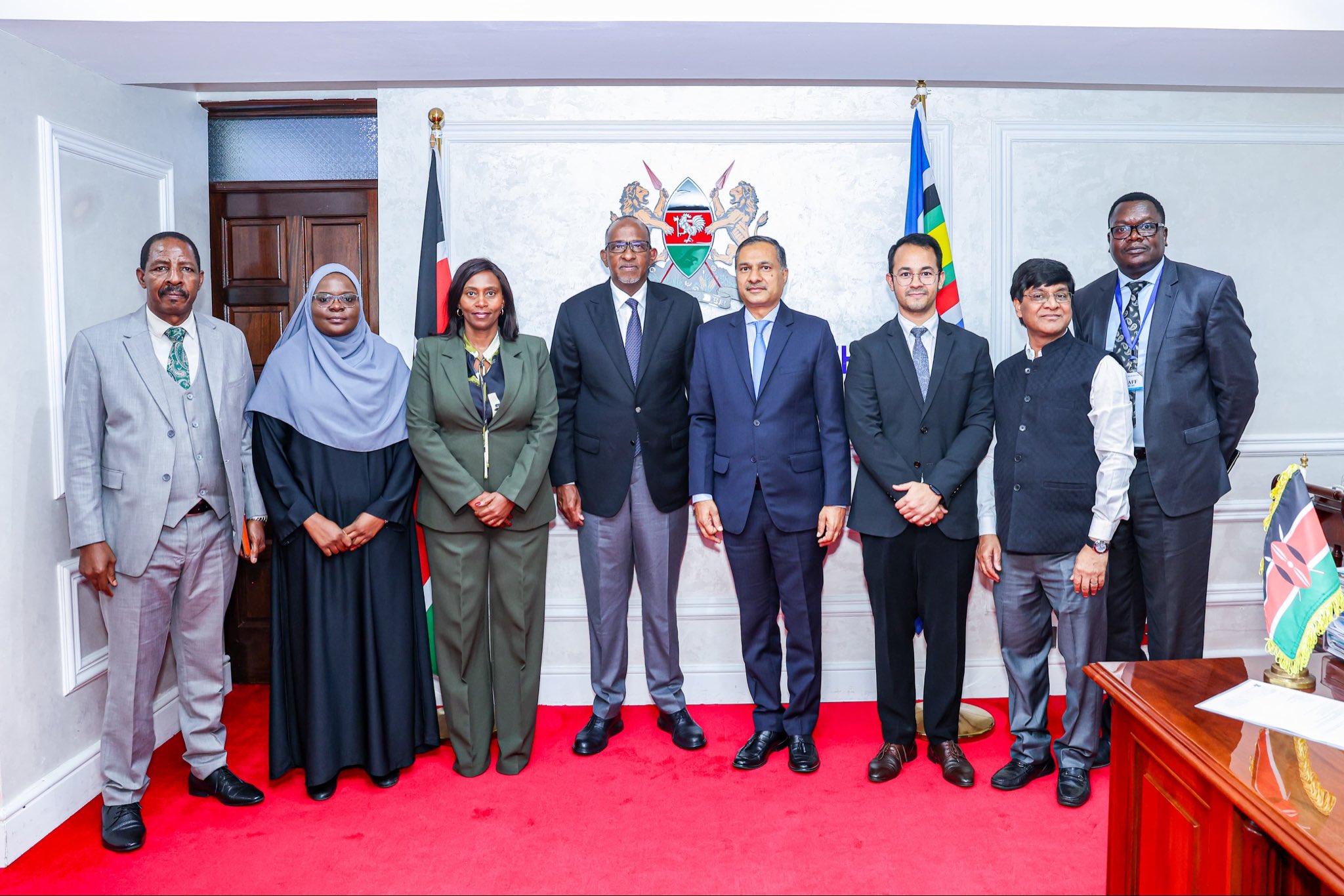
 Health CS Aden Duale, in a high-level bilateral meeting with the High Commissioner of India to Kenya, Adarsh Swaika, in preparation for the WHO Traditional Medicine Global Summit to be held in New Delhi from 17 to 19 December, December 9, 2025. /ADEN DUALE/X
Kenya is moving to deepen cooperation with India in a bid to strengthen its traditional medicine ecosystem, expand specialist training and build regulatory capacity ahead of the WHO Traditional Medicine Global Summit scheduled for 17–19 December in New Delhi.
Health Cabinet Secretary Aden Duale met Indian High Commissioner to Kenya Dr Adarsh Swaika on Tuesday for what the ministry described as a strategic bilateral engagement anchored on strengthening health-sector collaboration.
The WHO summit, themed Restoring Balance: The Science and Practice of Health and Well-being, will draw heavily on India’s long-standing leadership in traditional and complementary medicine.
Kenya intends to use the platform to showcase Africa’s diverse traditional knowledge while aligning its standards, research capacity and regulatory framework with global benchmarks.
Duale said Kenya sees clear opportunities in India’s extensive experience.
“India has built strong systems for research, regulation and safe integration of traditional medicine. Kenya is keen to learn from these successes and apply practices that enhance patient safety, evidence generation and service delivery,” he noted.
He added that the country is positioning itself to advance safe, effective and evidence-based traditional therapies as part of a broader Universal Health Coverage agenda.
“Traditional medicine has a place in our healthcare system, but it must be grounded in science, guided by robust regulation and delivered by competent practitioners,” he said.
Beyond traditional medicine, Kenya is also pursuing deeper workforce development partnerships with New Delhi.
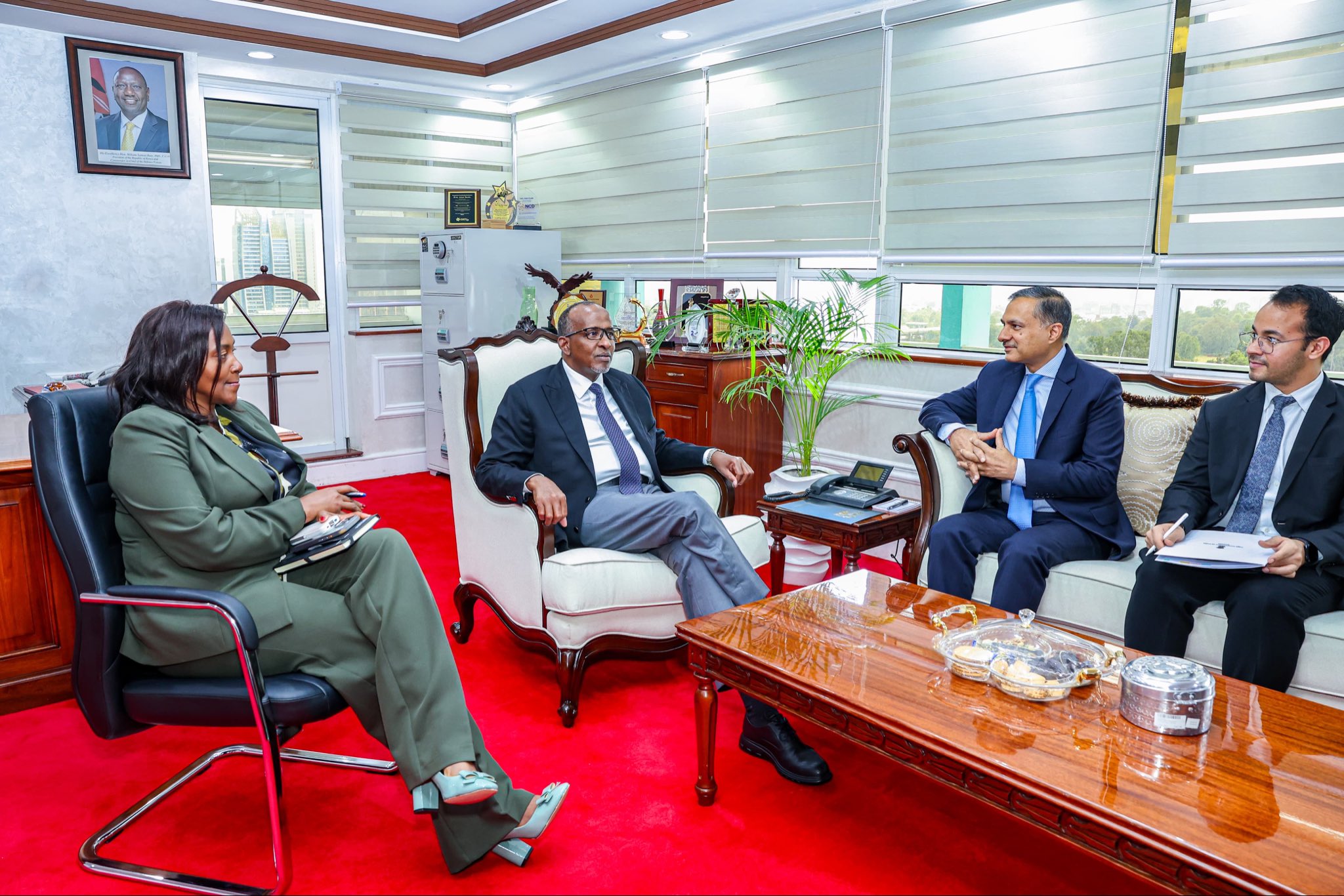 Health CS Aden Duale in a high-level bilateral meeting with the High Commissioner of India to Kenya, Adarsh Swaika, in preparation for the WHO Traditional Medicine Global Summit to be held in New Delhi from 17 to 19 December, December 9, 2025. /ADEN DUALE/X
Duale said the government aims to scale up structured training, fellowships and technology transfer in key specialities.
“We are expanding opportunities for Kenyan clinicians to benefit from India’s advanced expertise in oncology, nephrology, mental health, biomedical engineering and vaccine technology. These are critical areas where we need a stronger, better-equipped workforce,” he stated.
He said strengthening the health workforce is essential for achieving long-term system resilience.
“Competent human resources form the backbone of any effective health system. Our collaboration with India is therefore both strategic and necessary,” he added.
The CS also underscored Kenya’s ambition to grow as a regional hub for high-quality medical services.
He encouraged reputable Indian hospitals and research institutions to explore co-investment in centres of excellence, clinical trials and technology transfer.
“Kenya offers a transparent regulatory environment and a strong policy framework. We welcome credible partners who are ready to invest ethically and contribute to strengthening our health sector."
Duale reiterated the ministry’s firm regulatory stance, warning against malpractice in both conventional and traditional medicine.
He said anyone facilitating illegal medical activities will face full regulatory and legal action.
“No unregistered or rogue practitioners will be allowed to operate outside the law. Patient safety and public protection are non-negotiable,” he said.
According to the ministry, strengthened bilateral cooperation will also support Kenya’s efforts to reduce outbound medical travel, enhance local treatment capacity and expand access to safe therapies for millions of citizens.
The meeting was attended by India’s Second Secretaries Amardeep Barnwal and Rishabh Rewar, as well as Principal Secretary for Public Health and Professional Standards Mary Muthoni.
 The ministry said strengthened bilateral cooperation will also support Kenya’s efforts to reduce outbound medical travel.