

If the November 27 by-elections are a sign of what lies
ahead, political parties and power brokers are poised to deploy unprecedented
financial firepower in what is expected to be a high-stakes election.
Campaign spending is increasingly becoming one of the
strongest predictors of electoral success.
Candidates capable of injecting substantial resources into
their campaigns through crowd mobilisation, branded merchandise and aggressive
advertising are often advantaged over opponents with modest finances.
In the by-elections in Mbeere North and Malava by-elections,
political parties and candidates turned the campaigns into dramatic displays of
financial might.
Large sums of money were poured into mobilising supporters,
sponsoring flashy rallies and providing transportation, meals and drinks to
draw crowds.
Helicopters hovered above rally grounds, convoys of high-end
vehicles criss-crossed villages, speakers boomed from SUVs and merchandise
flowed freely.
Well-funded candidates were able to field large teams of
mobilisers, influencers and polling agents, sustaining weeks of intensive
door-to-door campaigns that poorer rivals could not match.
Observers said many voters equated the show of financial
strength to political viability, interpreting it as proof of national backing
and the ability to deliver development once elected.
The trend has raised deep concerns about the integrity of
future elections.
Kenya Human Rights Commission executive director Davis
Malombe accused the government of deploying state resources to sway the
November 27 votes, particularly in favour of ruling party candidates.
He claimed military helicopters, air force aircraft and
other government vehicles were used for campaign-related activities in addition
to widespread voter bribery.
“Boda boda riders were being paid Sh1,000 each to mobilise
voters for the broad-based candidates,” he said.
“This violated Section 9 of the Election Offences Act, which
expressly prohibits bribery before, during and after voting.”
He warned that the monetisation of elections undermines the
constitutional principles of a free and fair process by opening the door to
improper influence and shutting out women, youth and persons with disabilities
— groups that already face financial disadvantage in politics.
Transparency International Kenya executive director Sheila
Masinde called for the urgent passage of the Election Financing Regulations
Amendment Act, describing it as essential to restoring fairness.
She said the IEBC must exercise its mandate under Article
88(4)(i) by setting spending limits for candidates and demanding full
disclosure of funding sources as required under the Election Campaign Financing
Act of 2013.
“If it is all about money, then we cannot have free and fair
elections. We need to demonetise elections. Leaders are now stealing from
Kenyans to prepare for the 2027 elections,” Masinde said.
She said unregulated cash flow in the recent by-elections
emboldened politicians to hire goons with impunity.
After the by-elections, Trans Nzoia Governor George
Natembeya accused the government of interfering with the process through
excessive spending to manipulate voter choices.
"Money flowed freely in an attempt to substitute the
people's will with financial coercion," he said.
“These practices do not reflect a qualified government; they
reflect a system afraid of the genuine democratic choice of the citizens of
Malava.”
Natembeya questioned why such aggressive tactics were used,
warning that it raises troubling questions about what may happen in the 2027
national polls.
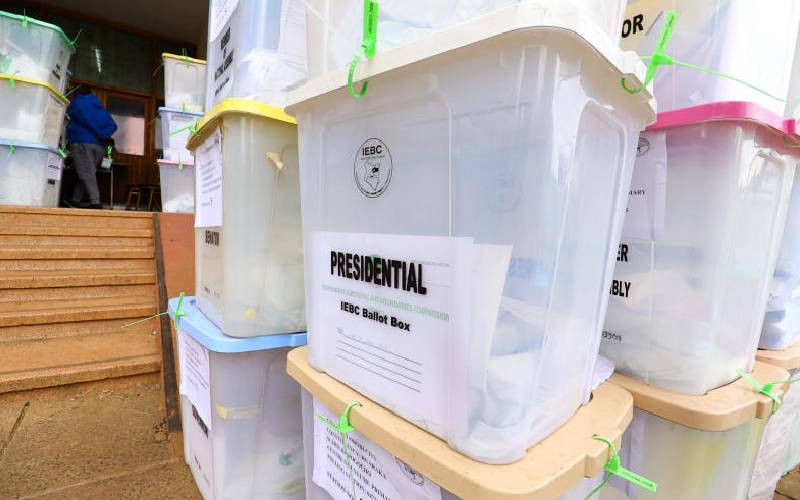
Meanwhile, IEBC chair Erastus Ethekon recently called for
urgent reforms, urging Parliament to fast-track the passage of the Election
Financing Regulations Amendment Act.
He said the amendment, now under consideration in the
National Assembly, is crucial to enabling the commission to effectively
regulate campaign financing.
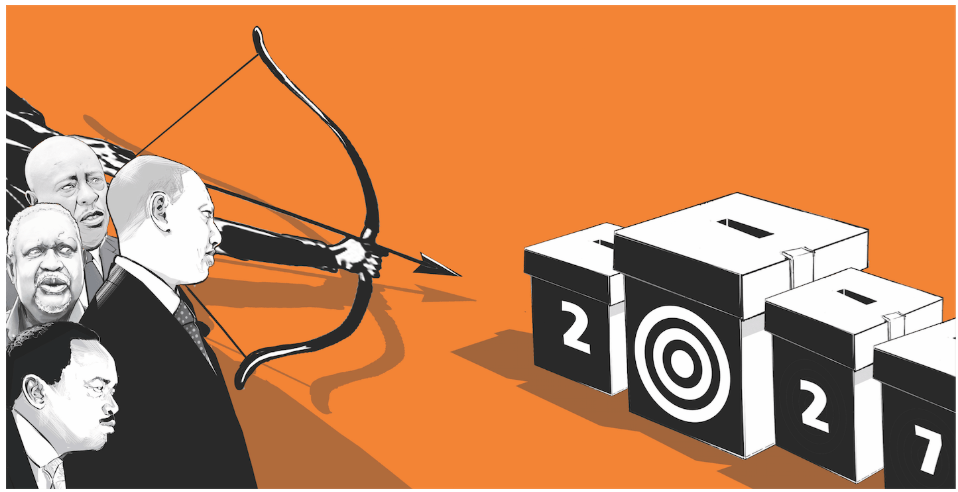
With the 2027 elections drawing closer, concerns are
mounting that the unchecked influence of money could overshadow democratic
principles, distort voter choice and tilt the electoral playing field in favour
of the wealthiest candidates.
Masinde warned that unless decisive reforms are implemented,
Kenya may be headed toward the most expensive, and potentially most compromised
election, in its history.