

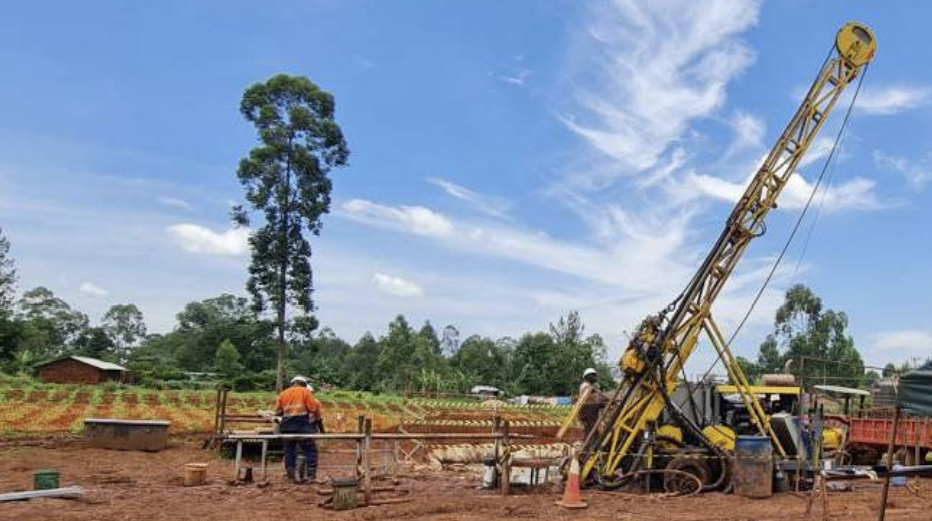
 Infill Drilling Programme by British Firm, Shanta Gold/HANDOUT
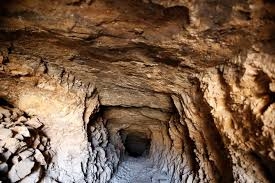
Despite the national excitement around the recently announced Sh680 billion gold discovery in Kakamega, residents of Isulu, Bushiangala and Musoli villages—where the proposed underground mine is located—say they are left with more questions than answers.
In a memorandum to Nema dated November 25, residents outline detailed procedural, environmental, cultural and livelihood concerns about the proposed Isulu–Bushiangala project.
The document builds on an earlier petition the community submitted on July 14, which they say remains unacknowledged.
The memorandum notes that the National Environment Management Authority cancelled a scheduled public hearing on November 11, citing concerns that proceeding under the prevailing circumstances would hinder “free, fair, inclusive and meaningful participation”.
The residents state this cancellation affirmed issues they had raised about lack of access to information and a flawed Environmental Impact Assessment process.
Following the cancellation, the community held meetings on November 12 and 13, to evaluate the risks involved in the exploration and the missteps.
One of the anxieties raised was the accessibility of the EIA report, which was not translated into Kiswahili or Luhya, was not prepared in accessible formats for persons with disabilities and was not circulated in time to allow meaningful review.
They cite a community survey across 18 villages showing that 94 per cent of households had never seen the EIA. Some households reported being asked to sign documents they did not understand.
The residents also question whether Nema consulted key ministries and technical agencies as required, including the Ministry of Water, Ministry of Health, Ministry of Lands, Ministry of Culture, Kenya Forest Service, Water Resources Authority and the Kakamega County Government.
They request disclosure of all written feedback and technical reviews.
Further, the locals claim no public sensitisation meetings were held in affected villages and no notices or announcements were made in Kiswahili or Luhya as required by law.
The community has requested records of all public notices, meetings, radio announcements and engagements conducted by Nema or the company.
Further, residents ask Nema to verify whether the EIA process complied with Sections 16–24 of the EIA Regulations—covering scoping, baseline studies, consultations, publication and notice periods. The July petition had previously raised these same concerns.
Environmental anxieties feature prominently. The memorandum states the project poses risks to the Yala, Luyeku, Mukongolo and Itechedi rivers, which serve as sources of drinking water, irrigation, farming and livestock use.
The EIA does not provide baseline air, water, soil or biodiversity data before mining activities. The residents requested independent water, air and soil tests and public release of the results.
Additionally, locals expressed concern about air quality, stating that the EIA does not address dust from blasting, chemical vapours, radioactive particles, diesel fumes or underground gases. They also flag biodiversity concerns, noting the ecological connection to the Kakamega Forest and the absence of a plan to protect native medicinal, food and cultural plant species.
The memorandum highlights gaps regarding waste and chemical management, noting that the EIA does not explain the refining processes, chemicals to be used or how tailings will be handled. They demanded a comprehensive chemical and waste management plan.
The EIA acknowledges graves and sacred sites but, according to the memorandum, provides no Cultural Heritage Management Plan and no evidence that elders or custodians were consulted. The community called for a full plan, developed with their participation.
Additionally, livelihood anxieties are outlined in detail. The residents note the absence of a Resettlement Action Plan, a list of affected households or a compensation framework.
They stated that many residents rely on ancestral land without title deeds, depend on smallholder farming or earn income from artisanal mining.
They warn of potential food insecurity, loss of income, hunger and disruption of extended family systems. They request development of a complete RAP and a livelihood restoration plan.
Gender and social concerns were also listed. The memorandum notes that the EIA lacks a gender assessment, sex-disaggregated data and analysis of impacts on women, children, persons with disabilities, the elderly and the most marginalised. It raises concern about potential in-migration of male workers and absence of plans to prevent gender-based violence, sexual exploitation or child labour.
Instant analysis
The community further identifies economic gaps in the EIA, noting the absence of quantification of economic harm, analysis of income loss or clear mitigation plans. They request a full livelihood impact assessment and compensation reflecting lost income, not only land value.