

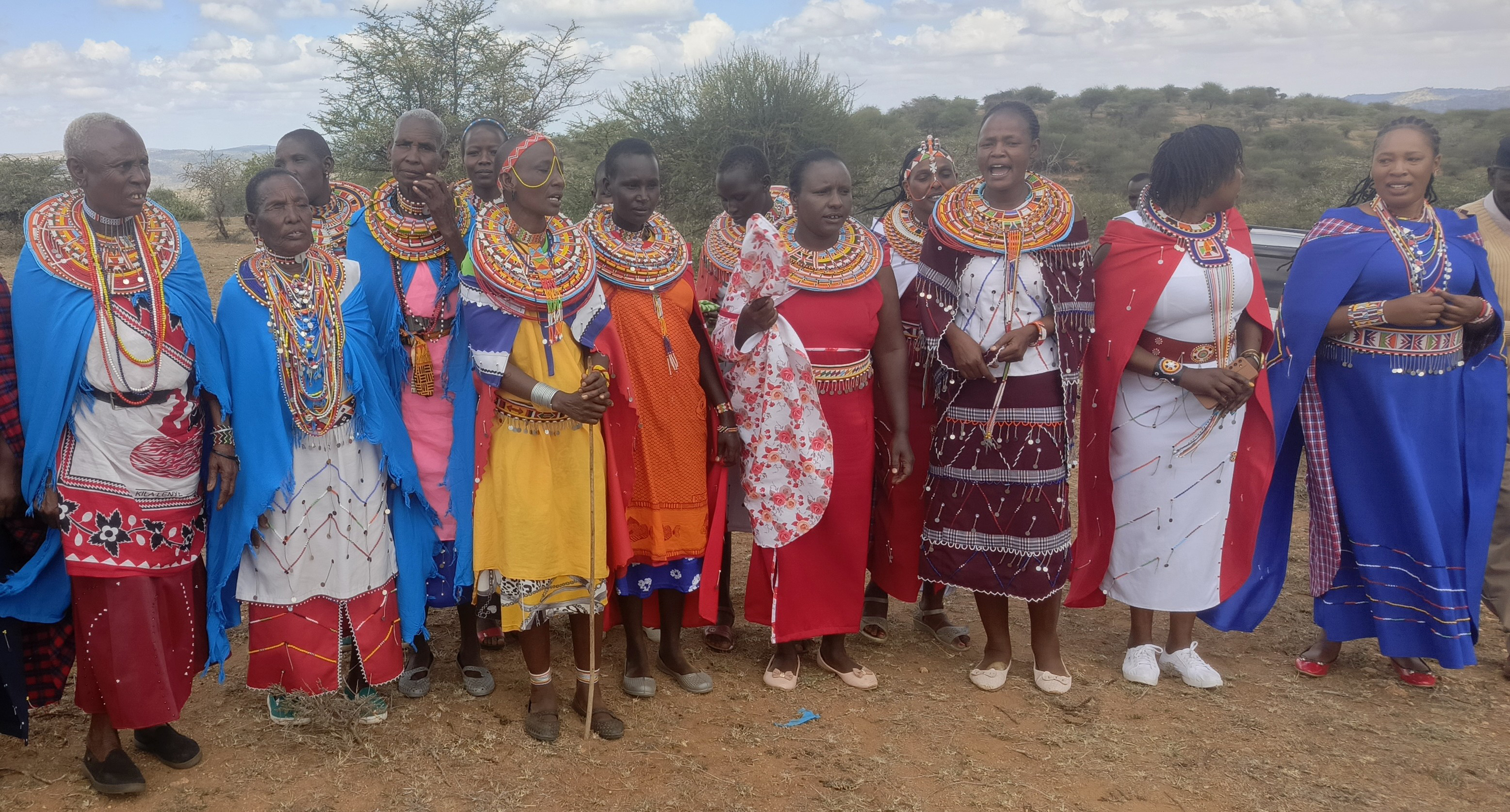
 Members of Namelok Women’s Group in Laikipia North /AGATHA NGOTHO
In Doldol, Laikipia County and across the wider Maasai community, families have long relied on milk and meat as their main meals. But this traditional diet is now being complemented with fresh green vegetables grown in kitchen gardens, as a new source of nutrition.
Women who once struggled to access vegetables are now cultivating their own, improving household nutrition while creating new income streams for their families and the wider community.
For the Namelok Women’s Group, the idea of kitchen gardening began as a simple but urgent response to food insecurity.
“We started the kitchen gardens after seeing a real gap. Here, the main staple is milk and maybe ugali,” said Sylvia Namerae, the group’s treasurer. “But our children were often getting infections and we realised they needed more fruits and vegetables to stay healthy.”
In Doldol, access to fresh produce has always been a challenge. The nearest market operates only once every two weeks, and families must buy vegetables to last them two weeks.
“You buy vegetables but they go bad after a few days, and then children end up going days without eating vegetables,” she said.
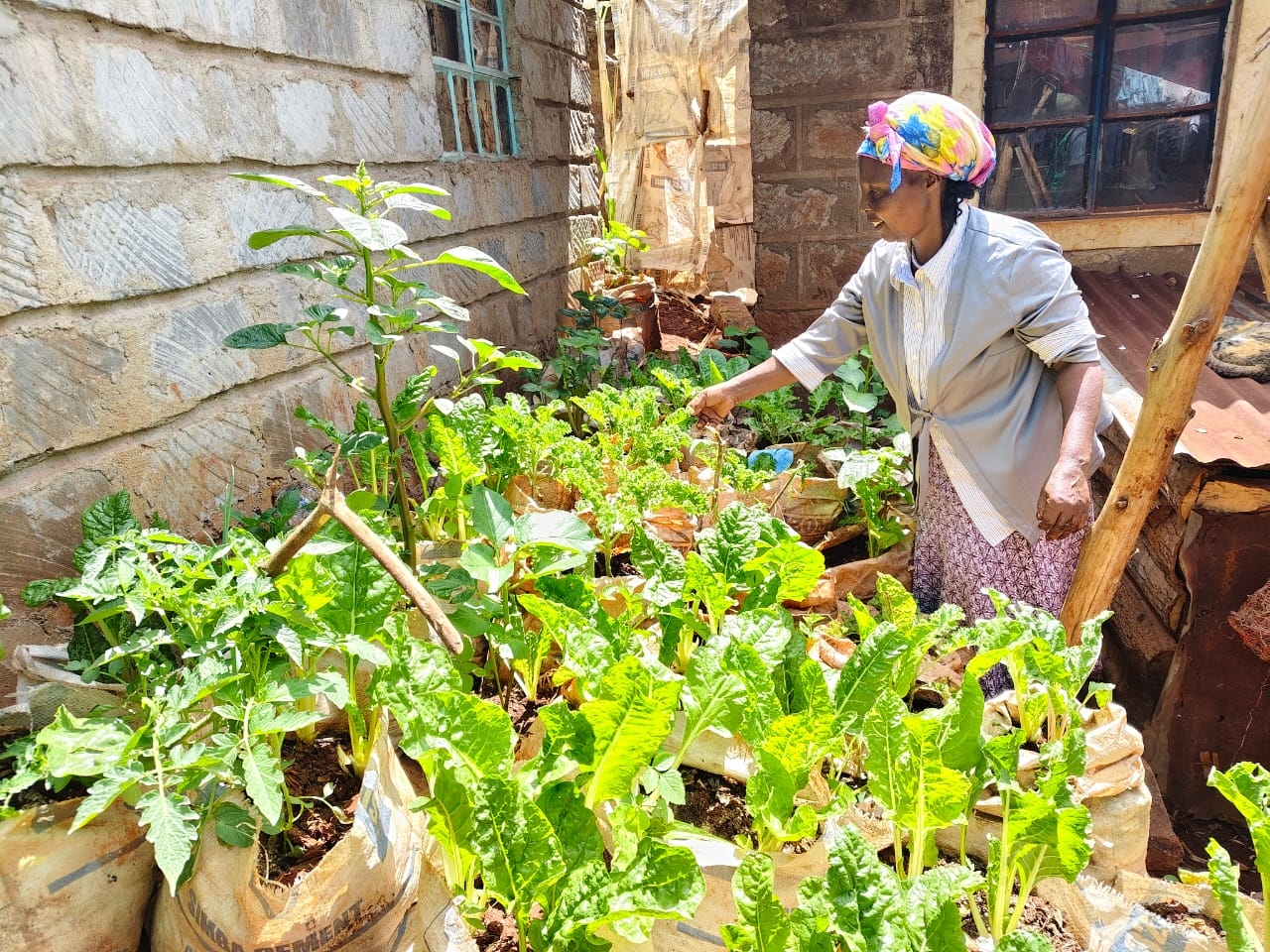
Faced with this reality, the women began encouraging each household to establish a kitchen garden where vegetables could grow under careful management.
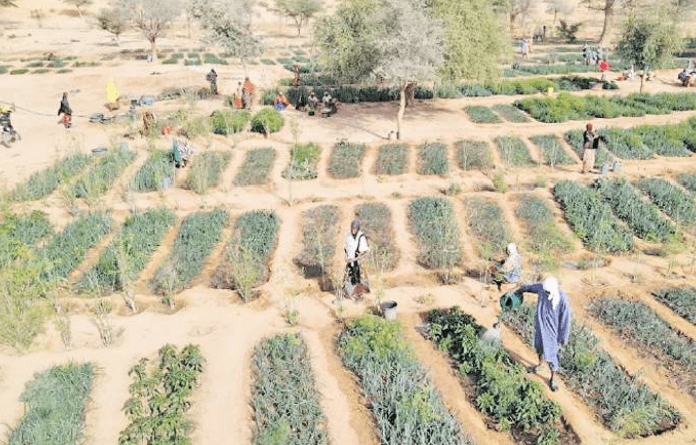
She said with training and support from the Food and Agriculture Organization (FAO), the group learned how to build vertical gardens, biconical gardens and other water-efficient systems suitable for arid environments.
Soon, their Manyatta (communal homestead) had its own demonstration garden filled with spinach, cabbage, managu, sukuma wiki, herbs and a surprising range of fruits such as strawberries, dragon fruit, mangoes and avocados.
“This project has given us hope,” Namerae said. “In the near future, we will be food secure and the nutrition of our children and families will greatly improve.”
But the kitchen gardens are not just about food consumption. The women are envisioning a future where they can supply the surrounding villages with vegetables and fruits, replacing the need to travel to market.
“Soon, people in our area will not need to buy vegetables from far. We will be selling fresh vegetables from our own gardens. It will put money in our pockets and support our community,” Namerae said.
For Elizabeth Kaparo, another member of Namelok Women’s Group, the impact of kitchen gardening has been immediate and life-changing.
“Before, I used to buy vegetables at the market on Fridays,” she said. They would last two weeks.
But after receiving training and setting up her own kitchen garden, Kaparo now grows spinach, strawberries and blackberries at her homestead.
“Now my children eat vegetables every day. I don’t wait for the market anymore. I just harvest from my garden.”
The garden has also reduced her household expenses and improved her children’s diet. Kaparo, a single mother of four, says she no longer worries about her children missing essential nutrients.
Apart from farming, the group also engages in bee-keeping, table banking and beadwork, activities that FAO Kenya Natural Resource Management programmes officer Ann Mbutura said provide additional income and strengthen their resilience.
She said the Namelok Women’s Group is one of 14 groups supported under the Forest and Farm Facility Resilience Project.
“We trained them on leadership, financial management, record keeping and gender inclusion,” she said.
Mbutura said the group’s savings and loans portfolio has grown significantly to Sh600,000 in borrowings and Sh900,000 in savings, and this enables members to invest in water tanks, poultry and kitchen gardens.
Water harvesting has been particularly transformative. “Every member now has a water tank,” she said. “In drylands, water is life. Without it, kitchen gardening would be impossible.”
The group has a five-hectare communal land secured with the help of local leaders. It now hosts beehives, demonstration gardens, a fenced area for farming and a Manyatta meeting house where they gather for training and planning.
She said this is a model for community resilience. “What stands out is their unity and servant leadership. They work together, plant together, harvest together. They eat together and celebrate together. That unity is their strength.”
The chairlady said their long-term vision is to aggregate small self-help groups into a large cooperative capable of exporting honey and beadwork.
The group is already nominated as a FAO Model Village. “From struggling to access vegetables to cultivating thriving gardens and new businesses, these women have shown that a simple idea, a small kitchen garden, can grow into a powerful engine for nutrition, income and community transformation,” Mbutura said.