Before one deciphers or tries to understand what is going on here and the implications, it is helpful to keep a few truths in mind:
There are people who have committed murder but owing to who they are and more importantly, the resources they have, they are free and will never be held accountable.
There are people who have committed economic crimes but owing to who they are and the resources they have, they have altogether avoided being charged. And if they have been charged, the cases against them have languished in the system or they have simply been made to disappear, including formal dismissal.
There are people who have committed no crime but are doing hard time. Others who may have committed petty offenses are serving excessive punishment that does not match the offense committed.
The 2010 Constitution was created to in part address such miscarriage or no carriage of justice. Starting with fixing the then rot in the Judiciary, the Constitution and operational regulations cleaned up the courts and gave rise to hope justice can be served.
To help in that endeavor, the framers of the Constitution created a very powerful Office of the Director or Public Prosecutions. Among the powers given to the DPP, is the power to prosecute anyone without seeking or getting consent from anyone. This means the DPP has the power to proceed or not to proceed against anyone, including the President, who is for all other purposes his or her boss.
The DPP, among other things, enjoys an eight-year security of tenure, longer than a single presidential term. Removing the DPP from office is no easy walk on the park. A tribunal must be empaneled to remove him or her.
The framers of the Constitution also created the DCI, whose functions are clearly defined and fall under the direction, command, and control of the Inspector General of the Police. Unlike the DPP, the DCI does not enjoy security of tenure and his or her independence is limited.
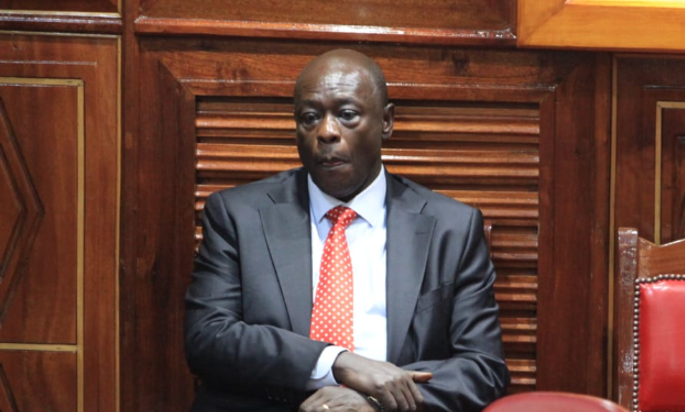
It is, therefore, mind boggling why there has been this feud between Haji and Kinoti.
To hear Haji tell it, the DPP was unduly pressured by the DCI, who he even accuses of having provided him with fake documents and evidence. The DCI on his part accuses the DPP of the same. The DPP even insinuates he felt pressured by the media and bloggers to institute prosecutions when that was not coming from the DCI or higher forces. This admission by the DPP is fatal.
Article 157 of the Constitution, which sets forth the DPP’s powers, provides that in exercising the powers conferred to him or her, the DPP “shall have regard to the public interest, the interest of the administration of justice and the need to prevent and avoid abuse of the legal process.”
Haji has admitted he allowed abuse of the legal process by bringing forth cases he already knew—or according to him — had no factual or legal basis to prosecute. This was an abdication of his responsibility and in gross violation of his oath of office for which he should resign.
The Constitution provides a legal mechanism to remove a DPP and Haji has been subject to this effort before. In one of those matters, the family of slain Dutchman Tob Cohen sought his removal, citing the mishandling of Cohen's case.
The Cohen family also argued in court documents that the DPP lacked requisite experience to have even been hired as DPP to begin with, and that he had never set foot in any known courts of law prior to being appointed to the DPP position.
Efforts to remove Haji failed but, rather than inviting another opportunity to have him removed from office, he should do the honorable thing and resign.







![[PHOTOS] Ruto pushes for stronger Kenya-EU economic ties in Brussels](https://cdn.radioafrica.digital/image/2026/06/3aebc395-285b-441c-8aa4-33cb538f8d44.jpg)