

A new fund to support African innovators working on urban challenges was unveiled in Nairobi on Wednesday, marking a fresh effort to back locally led solutions as cities across the continent continue to grow rapidly.
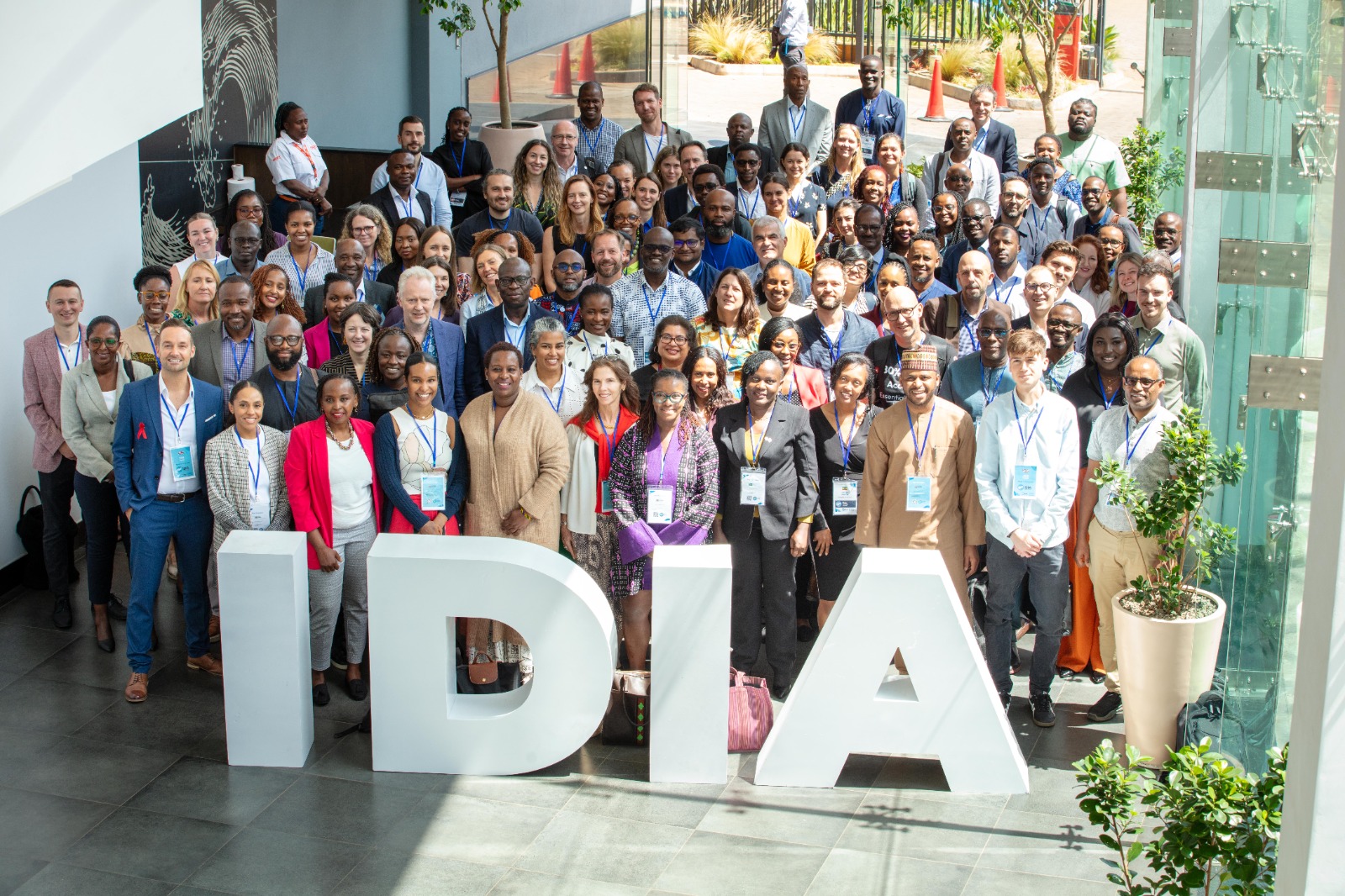
The initiative was announced at the International Development Innovation Alliance’s Global Summit in Nairobi. Applications for the fund will open next year.
The program will provide flexible funding for innovators to design and test solutions aimed at making cities healthier, more equitable and more resilient.
The African Cities Innovation Fund (ACIF), launched through a partnership between the Million Lives Collective (MLC) and the Judith Neilson Foundation, will offer grants of up to $75,000 to pairs of innovators developing collaborative approaches to issues facing African cities.
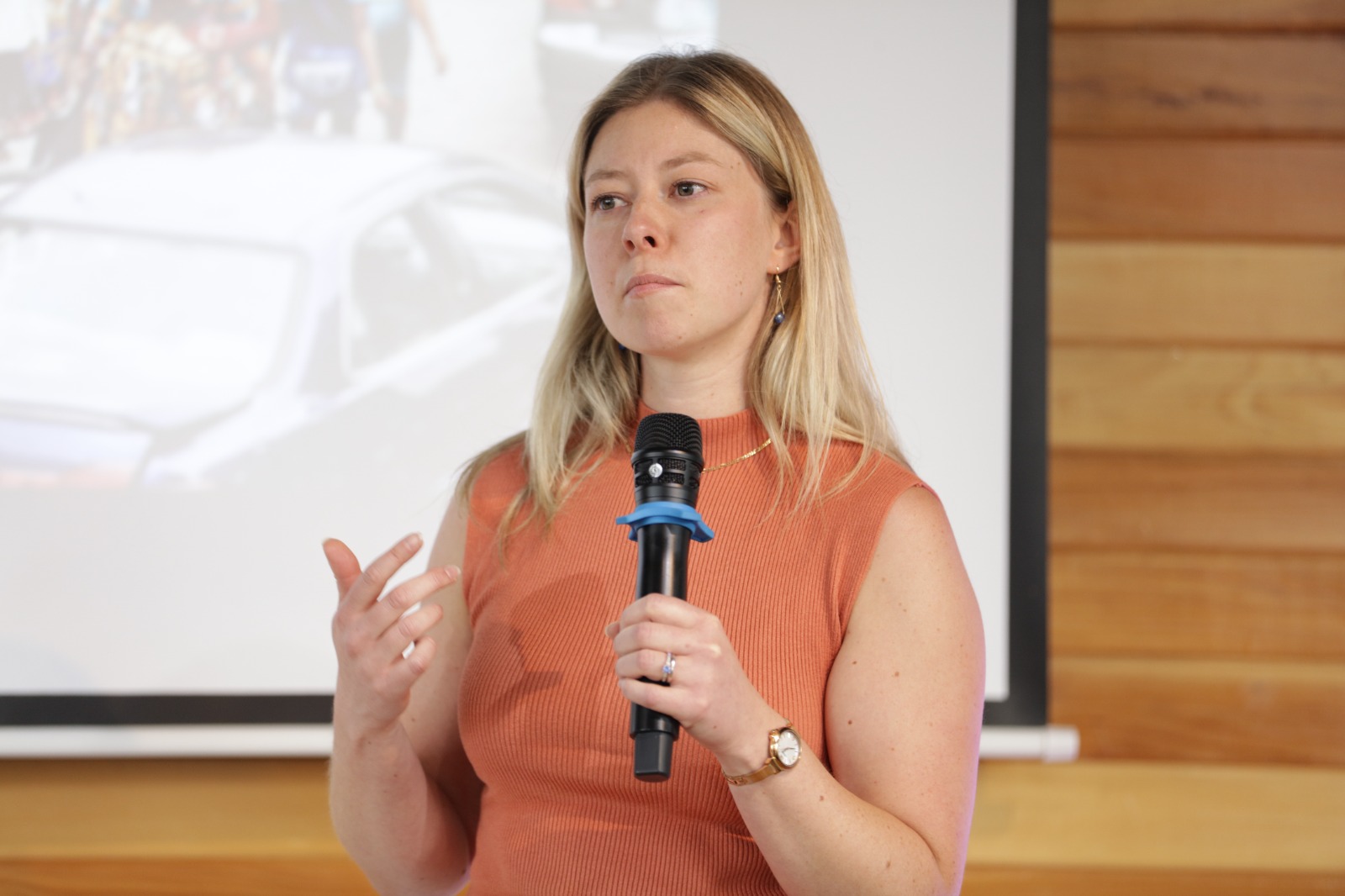
Announcing the initiative during the summit’s closing plenary, Abi Taylor, Innovation Lead at the Judith Neilson Foundation, said African cities are undergoing major transformation.
“African cities are growing at a dramatic pace, creating huge opportunities, challenges and change,” she said.
She added that building cities where people can thrive “calls for imagination, ambition, innovation and collaboration,” and said the partnership will allow innovators “to rapidly test new partnerships, experiment with scaling pathways and generate new ways of creating impact for those who need it most.”
Beyond funding, ACIF will provide technical assistance, coaching and partnership support. Awardees will also gain exposure through the International Development Innovation Alliance’s Collaboration Lab, known as “Collaborative Scaling for Exponential Impact.”
Before the fund opens, the MLC plans to issue a call for new African members in January as it builds a pipeline of proven and scale-ready urban innovations across the continent.
Jite Phido, Senior Program Manager at the MLC and Results for Development, said African actors are already developing creative ways to improve their cities.
“Across the continent, innovators, community organisations, entrepreneurs, artists and public sector actors are already finding and scaling new ways to improve mobility, expand access to resources and services, strengthen local economies, create safe and vibrant public spaces, and build resilience to climate and economic shocks,” Phido said.
Phido added that the upcoming call aims “to identify and amplify these efforts, while surfacing new pathways for exponential impact through innovative collaborations of actors in the system.”
The MLC, an initiative of the International Development Innovation Alliance, has been identifying and advancing solutions to development challenges since 2019.
It began testing collaboration grants in 2022, supporting cohorts of innovators in areas such as health and women’s economic empowerment.
ACIF will extend this work by strengthening evidence that collaboration funding can drive impact in a period of constrained aid budgets and global pressures.
Edwin Muroki of 4Life Solutions Kenya, whose organisation participated in the collaboration grants program, said the new fund responds to what African cities require.
“The African Cities Innovation Fund is significant because it promotes the kind of collaboration that urban impact in Africa demands,” he said.
He noted that solutions in Kenya scaled faster when partnerships “strengthen community trust, enable localised logistics, reinforce behaviour change, and support continuous real-time learning,” adding that a fund centred on such approaches gives innovators space to “de-risk expansion into new cities” and maintain quality as they grow.
African organisations working in sectors such as
climate-resilient infrastructure, youth mobility, circular production, digital
equity and community wellbeing are encouraged to express interest.