The Bill that is in its second reading, was passed by the Senate last year before being transmitted to the National Assembly for consideration.
If enacted, the Bill sponsored by Sigei will allow tea factories to directly participate in the auction.
Audio By Vocalize
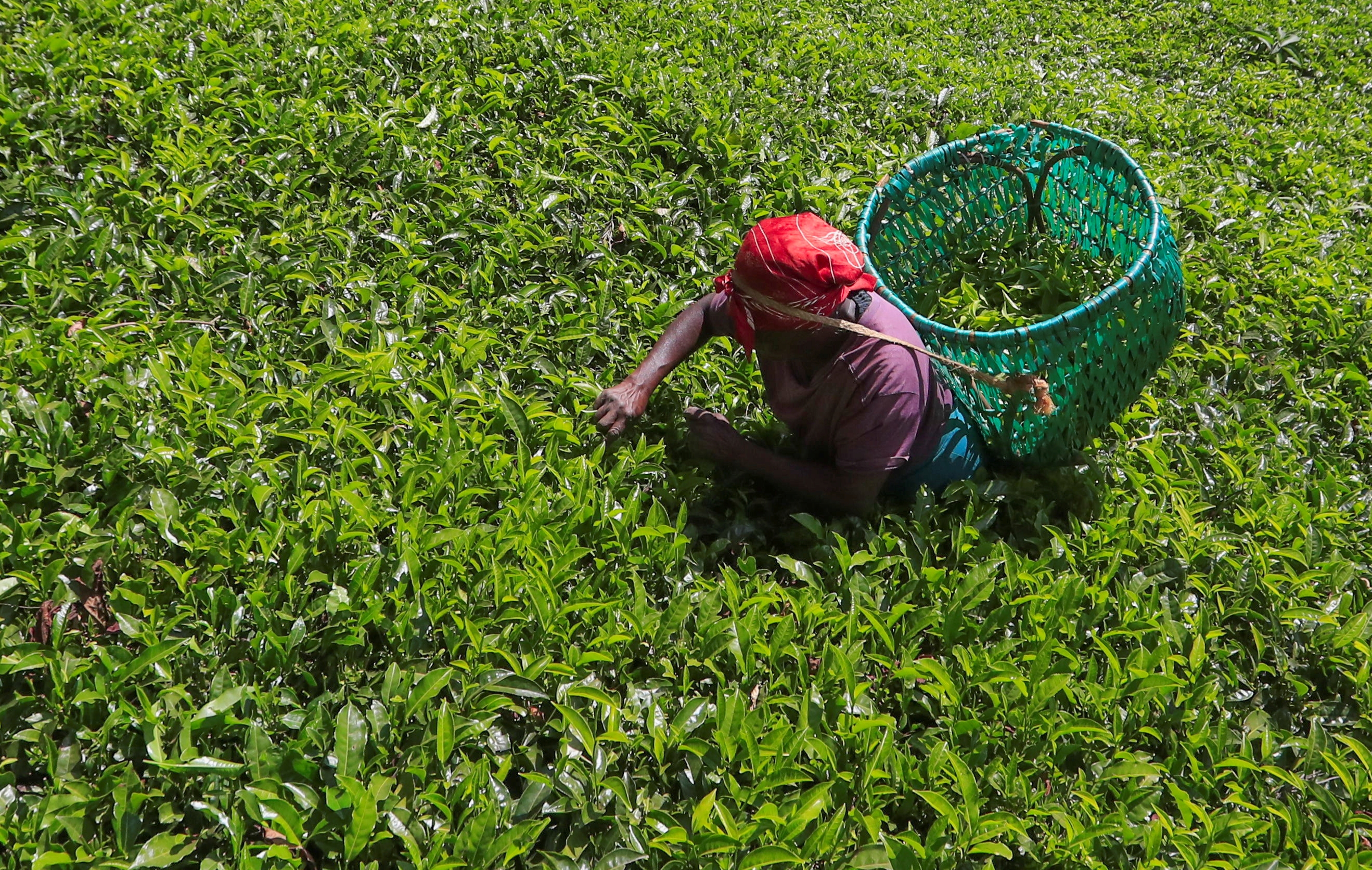
Peninah Kimani, an extension officer at Ikumbi tea factory in Kigumo, Murang'a in a tea farm
Tea farmers from Murang’a county have opposed the Tea
(Amendment) Bill 2023 that is currently in the National Assembly saying it will
further disadvantage them.
The Bill that is in its second reading, was passed by the
Senate last year before being transmitted to the National Assembly for consideration.
If enacted, the Bill sponsored by Bomet Senator Hillary
Sigei will allow tea factories to directly participate in the auction rather
than through management agents and incentivise value-added tea by exempting it
from the tea levy.
It will further allow tea factories to engage in direct
domestic and international sale of tea, requiring that tea sold directly must
fetch a price higher than the highest auction price recorded in the preceding
three months.
But farmers have opposed the Direct Settlement System (DSS)
proposed by the new law that will see farmers paid within 14 days after an
auction or sale, and which will be supported by local commercial banks.
Ikumbi tea factory director Gerald Ngumba said the DSS that
was introduced in the coffee sector in 2023 and has largely been rejected by
farmers, will deny tea farmers earnings from the foreign exchange.
“Tea is sold at the Mombasa auction using dollars after
which Kenya Tea Development Agency, the managing agent, competitively seeks a
commercial bank to change the money into Kenyan shillings. DSS will do away
with this competitive bidding,” he said.
Last year, the sector earned over Sh15 billion from the
foreign exchange after the dollar strengthened against the shilling, boosting
farmers’ earnings.
Ngumba said with DSS, such earnings are set to be lost to
the commercial banks that will be engaged, and that it will encourage monotony
and disadvantage farmers.
Ngumba also took issues with the introduction of a Sh3.85
levy for every kilogramme of made tea exported in bulk, on top of 42 other
taxes that the produce attracts.
“One kilogramme of made tea is made up of four kilogrammes
of green leaf. The levy therefore translates to almost Sh1 per kilogramme of
green leaf sold by a farmer”.
“Ikumbi tea factory produced 18,900,000kgs of tea last year.
If this law was in force then, we would have lost almost a similar amount in
money to the levy. That’s a huge amount to take away from the farmer.”
The director also criticised a proposal by the Bill to raise
the management fee paid to KTDA from the current 1.5 per cent of a factory’s
net sales to two per cent.
He noted that tea factories have signed agreements with the
agency that requires them to pay the 1.5 per cent, and wondered why the Bill seeks
to fork more money out of farmers’ pockets.
His sentiments were echoed by Peter Maina, another director,
who said farmers were not involved in the making of the Bill as required by
law.
Maina called on MPs from tea producing counties not to
support the proposed law, saying its implications will be far-reaching and
burdening to the farmer.
The director urged the government to take great caution
while dealing with the sector that supports about 6.5 million Kenyans and plays
a huge role in the economy.
Globally, Kenya ranks as the third largest tea producer
after China and India, accounting for 8.3 per cent of global tea production in
2022, with tea exports representing 24 per cent of the country’s global trade.
“Making decisions that can impoverish tea farmers would have
a major ripple effect in the stability of the economy,” Maina said.
He challenged political leaders to consider lobbying for the
reduction of the many taxes imposed on the crop so farmers can enjoy the fruits
of their hard work.
Ikumbi tea factory chairperson Onesmus Kibuna that the DSS
system has elicited uneasiness in the sector and wondered why the Bill is
targeting systems that have been working for the farmer.
“Why is the DSS being imposed on us yet the current system
is working? Why do they want to cause confusion in this sector?” he asked.
Kibuna also cited a clause in the Bill reducing the number
of directors representing farmers in individual tea factories from the current
six to five.
“They have not given any justification for the reduction.
What’s the problem? The state seems to be interfering with tea matters far too
much. These are some of the things making us very uneasy.”
He also opposed calls
to have annual bonus payments made monthly saying disbursing the money yearly
allows it to accumulate and enable farmers to undertake bigger projects to
enhance their living standards.
Monthly bonus payments, he said, would discourage saving and
urged the government to focus on streamlining issues facing the sector such as
timely disbursement of subsidised fertilisers and expansion of markets.
INSTANT ANALYSIS
The Bill that is in its second reading was passed by the Senate
last year before being transmitted to the National Assembly for consideration. Gerald
Ngumba, a director at Ikumbi tea factory, said the DSS that was introduced in
the coffee sector in 2023 and has been largely rejected by coffee farmers will
deny tea farmers earnings from the foreign exchange. Last year, the sector
earned over Sh15 billion from the foreign exchange after the dollar
strengthened against the shilling, boosting farmers’ earnings.



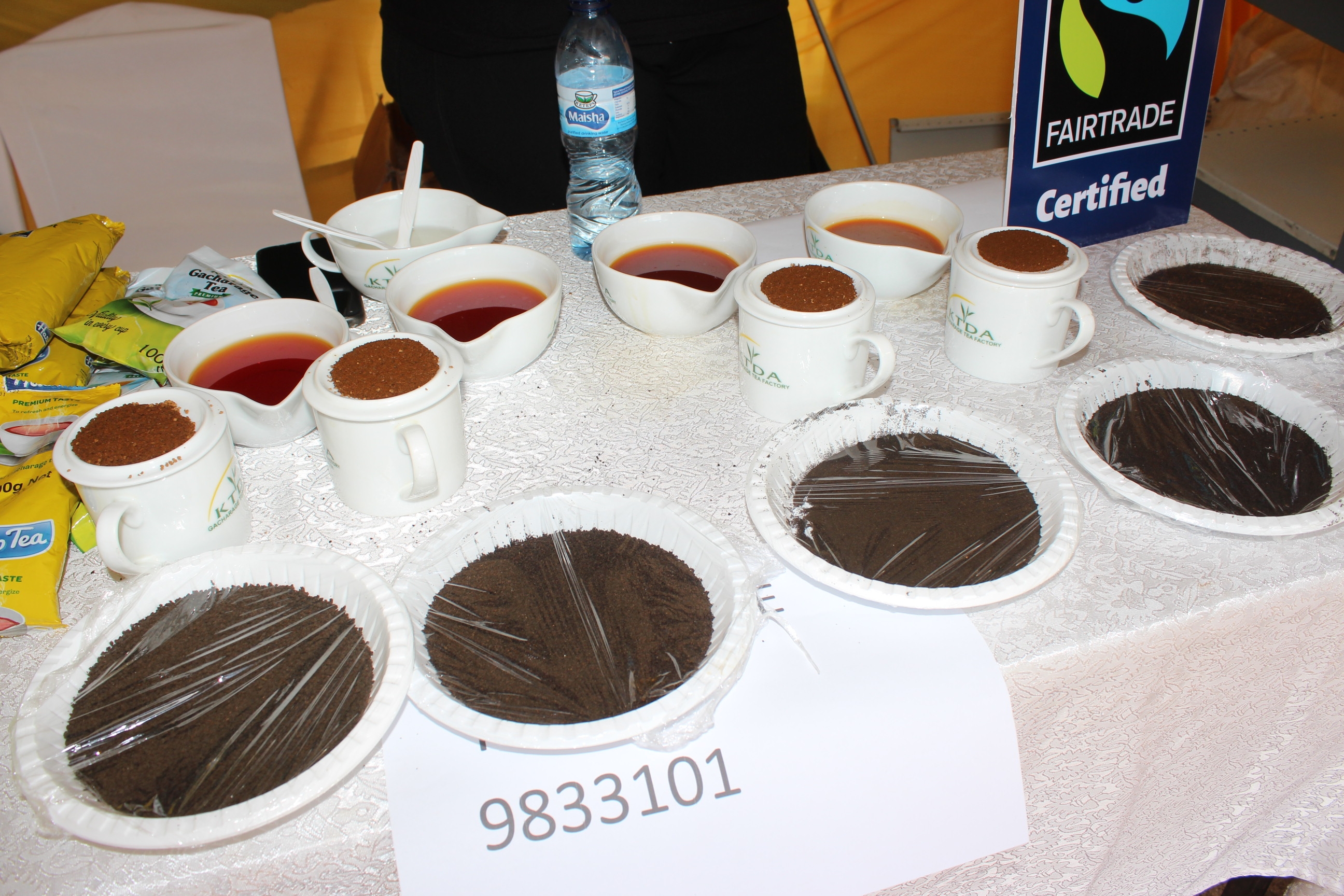
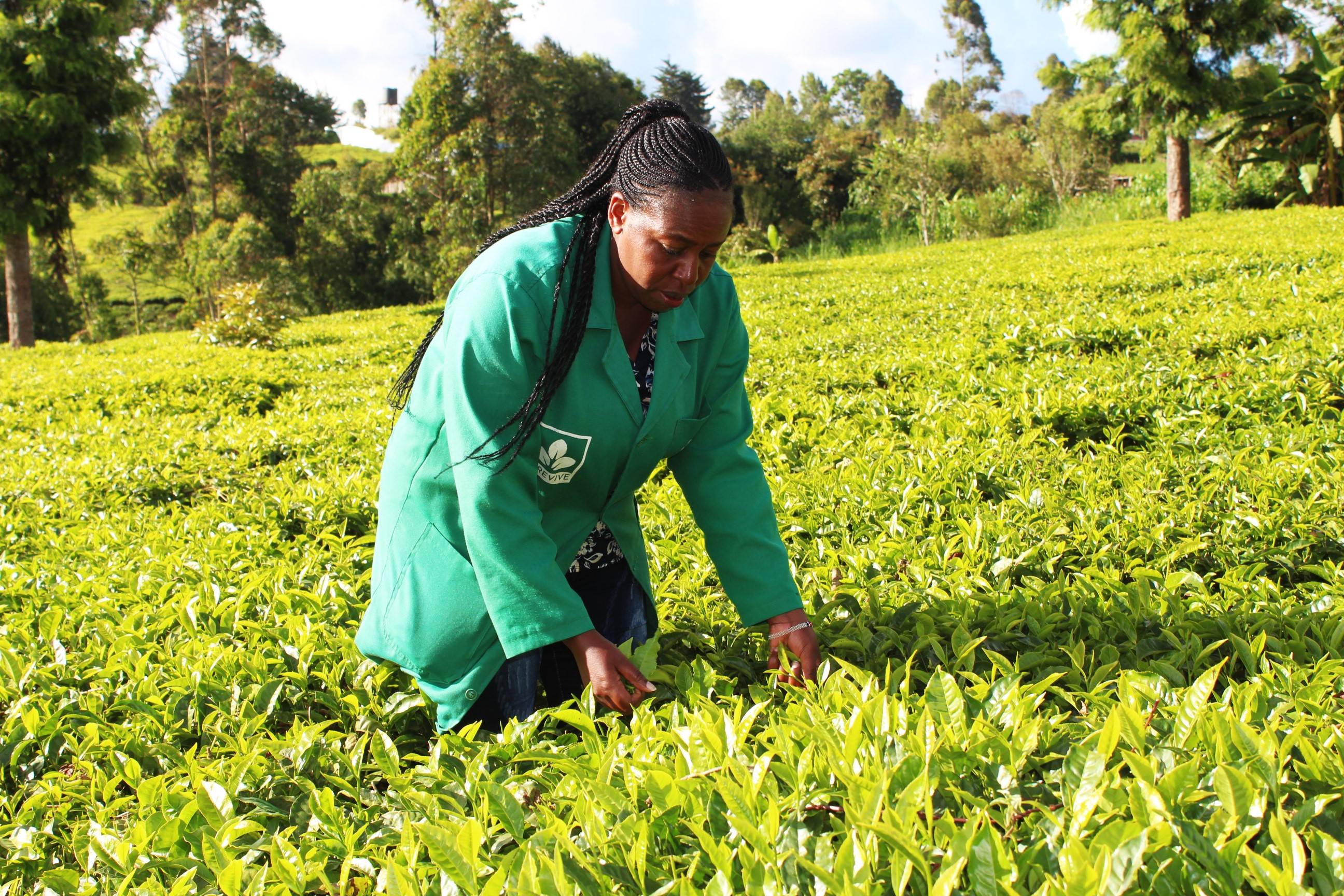 Peninah Kimani, an extension officer at Ikumbi tea factory in Kigumo, Murang'a in a tea farm